
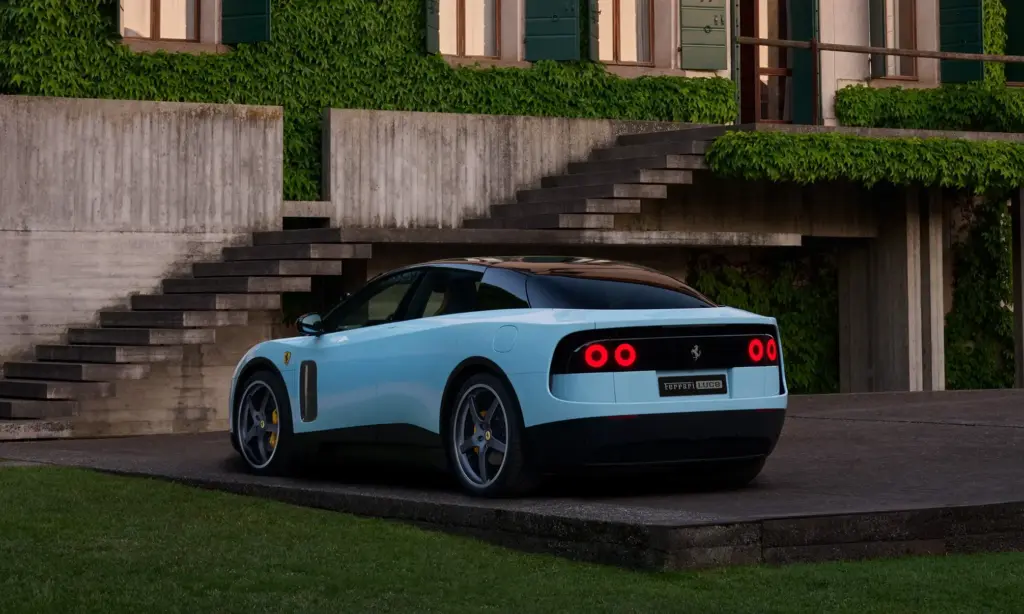
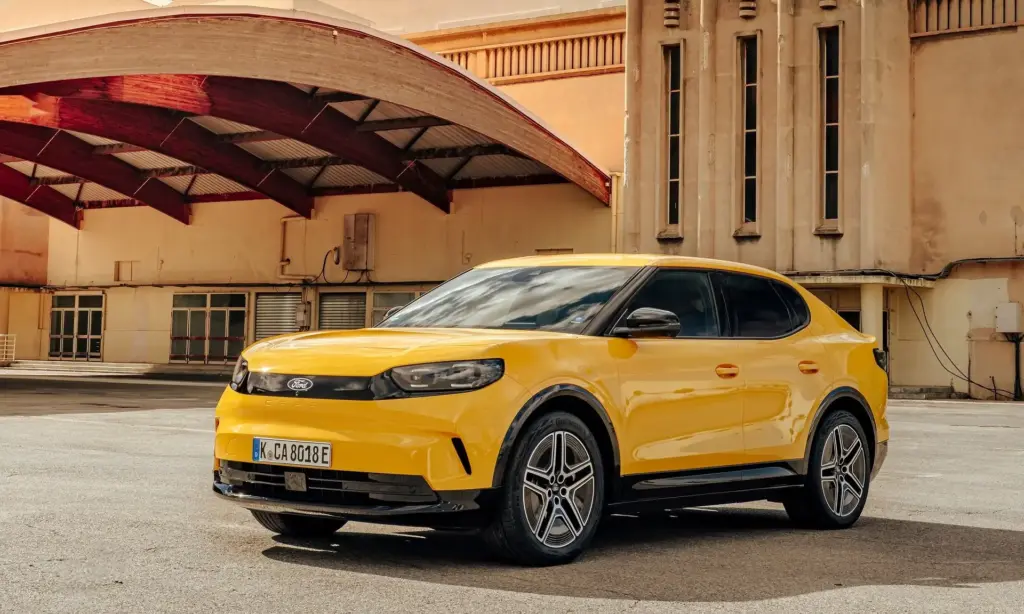


Automotive design has always been subjective, but recent years have witnessed an unprecedented level of controversy surrounding new vehicle designs. Case in point, the Ferrari Luce. From electric hyper-saloons to futuristic pickup trucks, manufacturers are taking risks that have sparked fierce debates among enthusiasts and the general public.
These contentious designs represent deeper questions about about tradition versus innovation, the electric transition, and what defines a legendary brand’s identity. Here we take a look at some of the most recent automotive designs that have left fans scratching their heads.
Jaguar Type 00: “Copy Nothing” or Copy the Wrong Things?
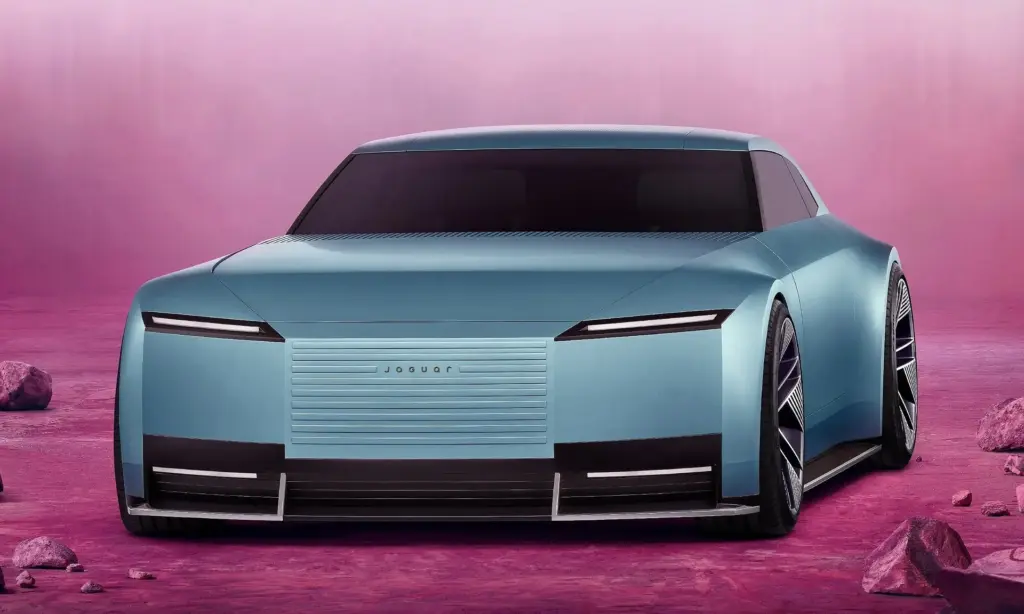
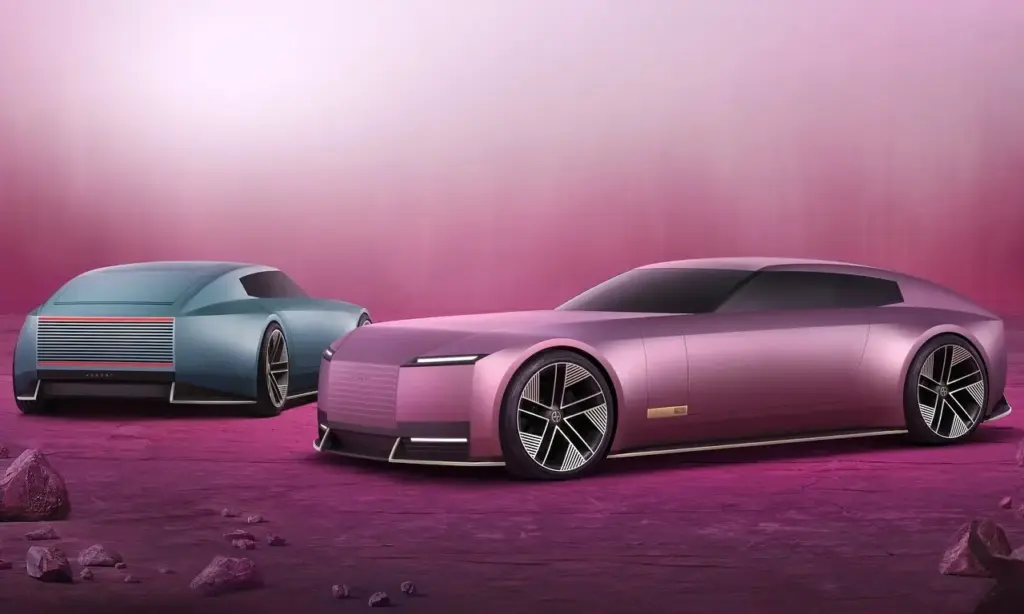
Jaguar’s Type 00 concept car became an instant laughing stock following the brand’s recent, controversial rebrand. The slogan “copy nothing” promised radical innovation, but the result divided opinion spectacularly. The new aesthetic was a far cry from the back catalogue of beautiful machines that wore the ‘Leaping Cat’ for decades.
The Type 00 features an elongated hood, slab-sided flanks and fastback silhouette with massive alloys wheels. Traditionalists felt the brand was abandoning its heritage for trendy abstraction. The controversy isn’t just about aesthetics—it’s about whether a luxury brand with nearly a century of design language should essentially reset its visual identity. Many argue Jaguar should evolve rather than reinvent. At any rate, the 00 has evolved into the 01, slated for production soon, and buyers will talk with their wallets, or not.
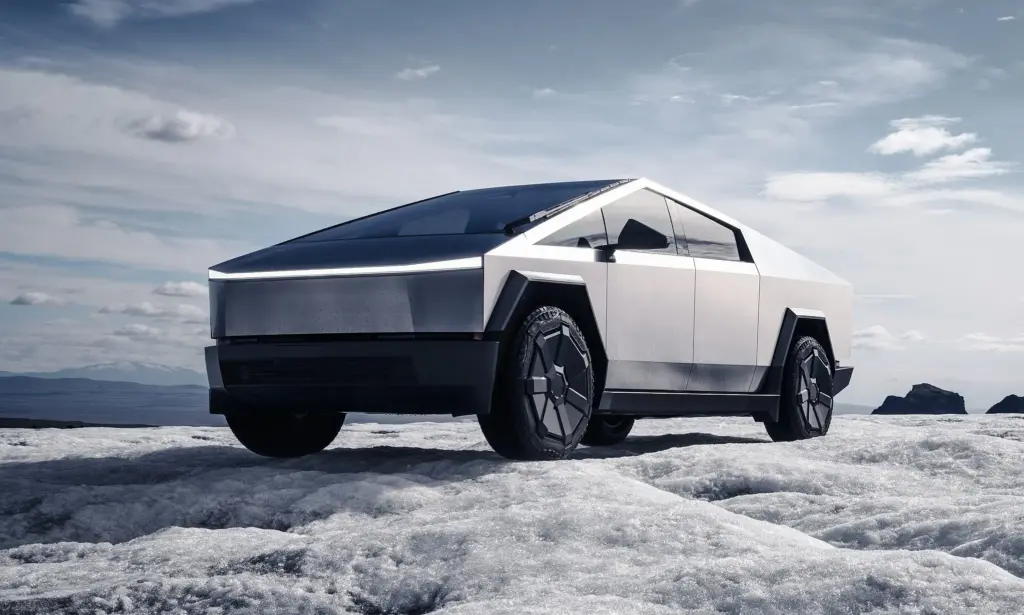
Tesla Cybertruck: IN YOUR FACE!
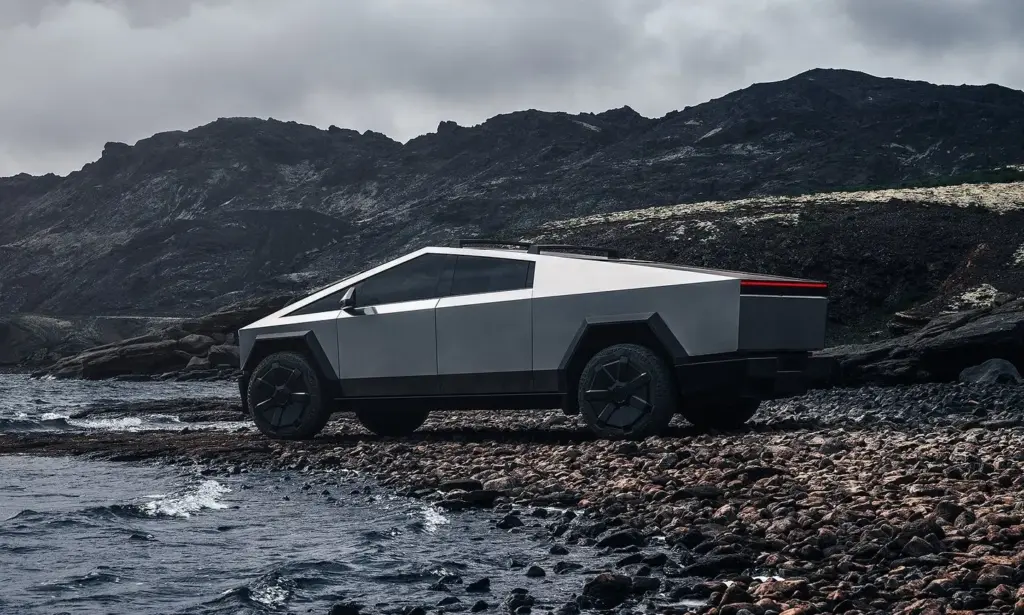
No modern car has generated more polarising reactions than the Tesla Cybertruck. The angular, retro-futuristic pickup with its stainless steel panels has been ridiculed as ungainly. There is, of course the small matter of the company owner’s contentious politics, but this is a motoring website.
Reportedly, Tesla’s chief designer Franz von Holzhausen admitted that “a majority of the people in this studio hated it… They were like, ‘You can’t be serious.’ They didn’t want to have anything to do with it. It was just too weird”. But company founder Musk famously “doesn’t do focus groups,” pushing hard for the angular design despite internal resistance.
Beyond aesthetics, the Cybertruck faces practical criticisms: misaligned doors, a smudgy exterior that shows every fingerprint, and safety concerns about its sharp stainless steel edges. Yet the controversy has became part of its identity—the Cybertruck is so divisive it’s become a cultural phenomenon, guaranteeing attention wherever it goes. Sales have slumped in its homemarket with a reported 1 300-odd ‘sales’ to sister company SpaceX…
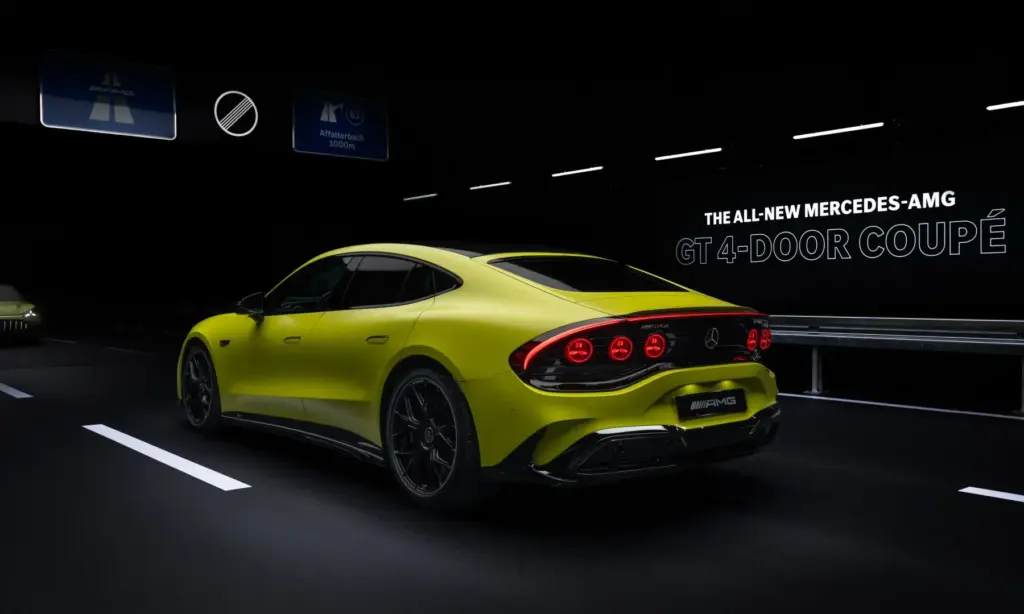
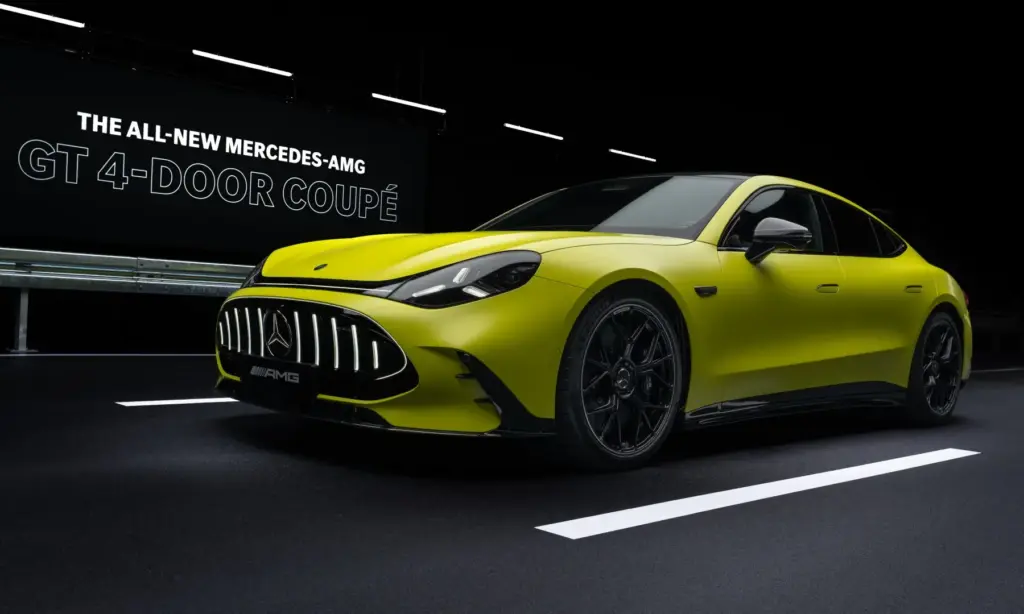
Mercedes-AMG GT Electric: Power With A Fake Roar
The Mercedes-AMG GT four-door electric coupe has ignited controversy for its fundamental contradiction: an electric vehicle attempting to replicate the soul of a combustion engine. With massive horsepower, the AMG GT EV delivers electrifying (sorry) performance, but critics argue it betrays AMG’s heritage by adding fake V8 sound effects to an electric powertrain.
The controversy centers on authenticity. AMG was built on a foundation of rip-snorting V8s, going back to the very first ‘Red Pig’. There is a long tradition of barrel-chested performance halo cars spanning the decades, the more recent being the SLS and GT Coupes. These sleek coupes are the stuff of dreams. This AMG GT four-door is so far removed in terms of propulsion and aesthetics. Will fans of the famous three letters embrace or eschew, as they did with the hybrid C63s? Time will tell.
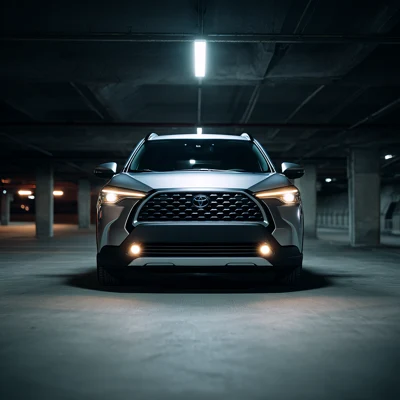
Ford Capri EV: Resurrecting a Legend?
The Ford Capri nameplate is iconic for its 1960s-70s ‘muscle car’ status; a Euro version of the Mustang, if you will. It has a special place in the hearts of SA performance fans, with special editions such as the Perana V8 dominating local race circuits. The badge has been resurrected as an electric coupe, generating controversy among classic car enthusiasts.
The electric Capri’s modern interpretation has drawn criticism for transforming an affordable icon into a premium EV, essentially abandoning the original’s performance accessibility. Has Ford exploited nostalgia while delivering something fundamentally different from the original. The sleek electric design, while not unattractive, feels like a betrayal to those who remember the Capri’s original charm.
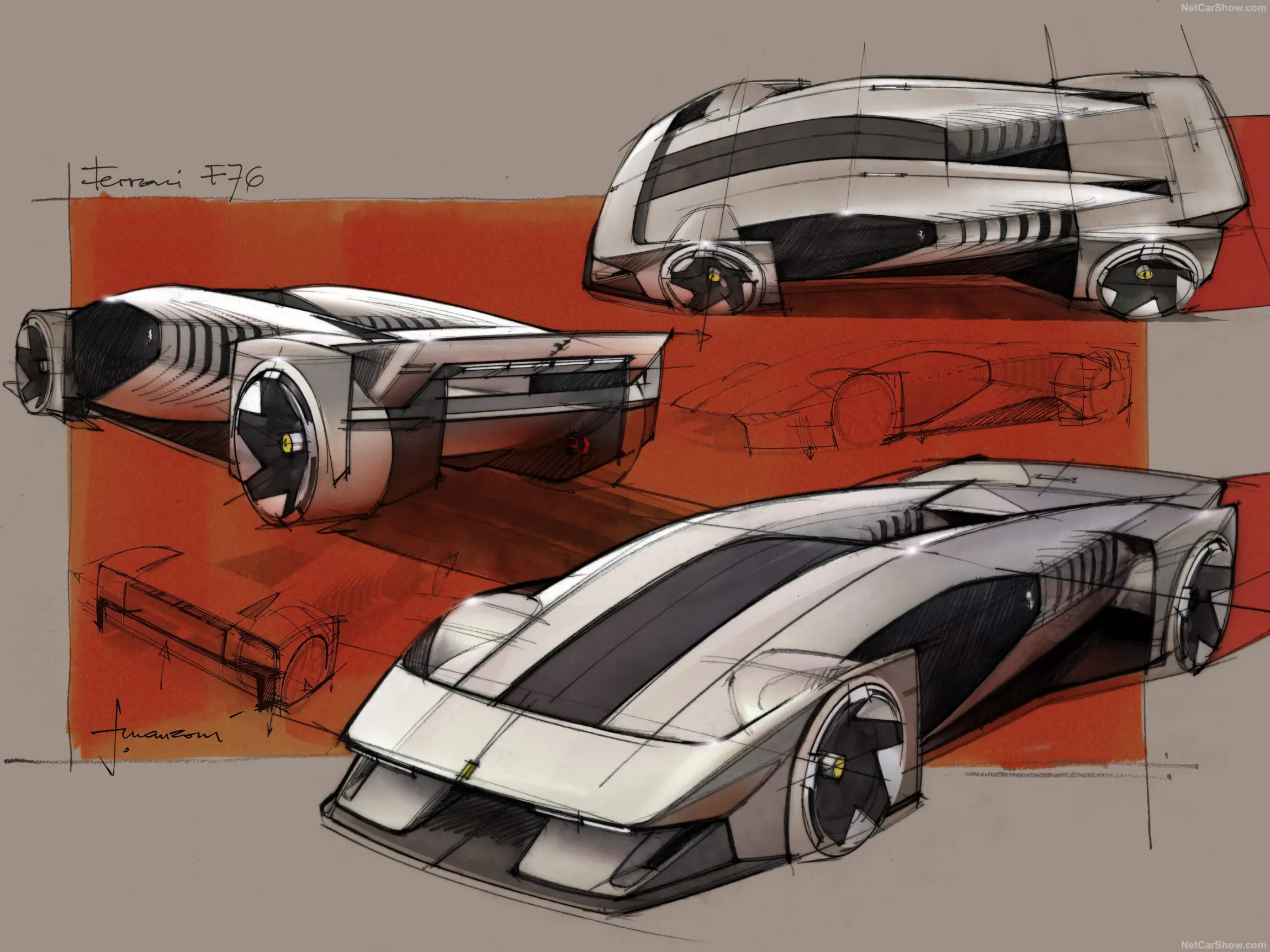
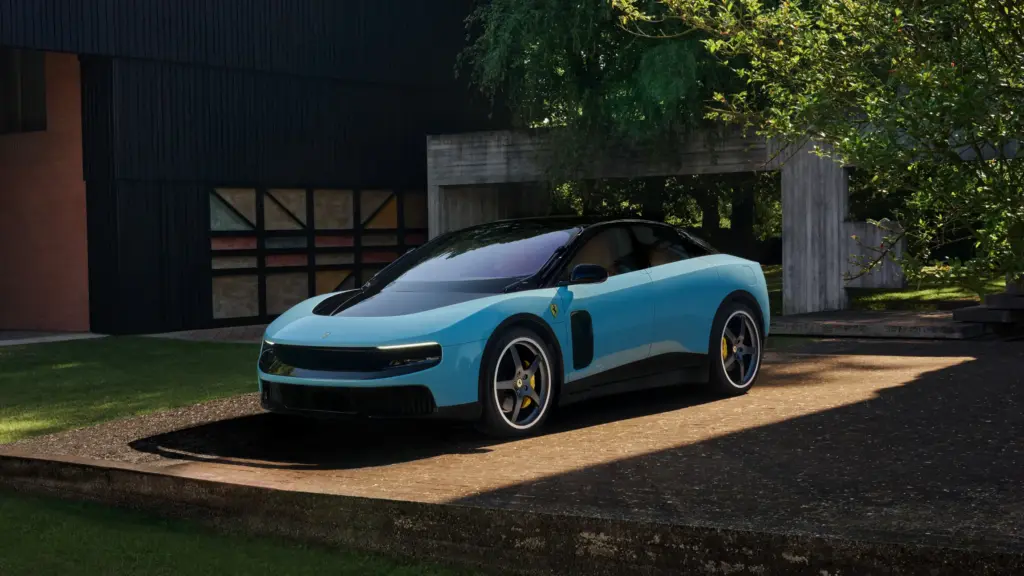
Ferrari Luce: Electric Prancing Horse
Ferrari’s first production electric vehicle, the Luce (Italian for “light”), represents perhaps the most emotionally charged controversy of all. Ferrari’s first five-seat executive electric car was developed in collaboration with LoveFrom, the creative group founded by Sir Jony Ive. He is well-known for his time at Apple Inc, where he was senior vice-president of industrial design and chief design officer.
For decades, Ferrari’s identity has been built on screaming engines ensconced in elegant and muscular shapes. The Luce delivers on neither of these ‘prerequisites’. The Luce includes a custom sound system designed to enhance real vibrations from its electric motor rather than mimicking traditional engine noises.
The Luce challenges like no other Prancing Horse before. Purists question whether such a shape should even carry the famous badge. Electrification is inevitable and Ferrari must adapt, but the packaging matters as much as the powertrain. This luxury EV that might alienate traditional Ferrari buyers while attempting to attract new customers… but at what price.
What Next?
The automotive world is watching these polarising designs to see which will succeed commercially and culturally. Some will be remembered as masterpieces, ahead of their time; others as cautionary tales of brands losing their identity. What’s certain is that in an era of electrification and autonomous technology, the cars that provoke the strongest reactions are those forcing us to confront what we, as car enthusiasts, value most. And, almost as importantly, what we’re willing to sacrifice for the future.
The controversy itself proves that design matters. In a world of safe designs, these vehicles demand attention, endless discussion, and passionate response. Whether praised or ridiculed, they represent the auto industry’s most ambitious attempts to redefine what a car can and should be.


Have your say
Got thoughts on this?
No feedback yet on Automotive Design in a Modern Age: Risking it All. Kick the conversation off.
Free. Email link only — no password.