
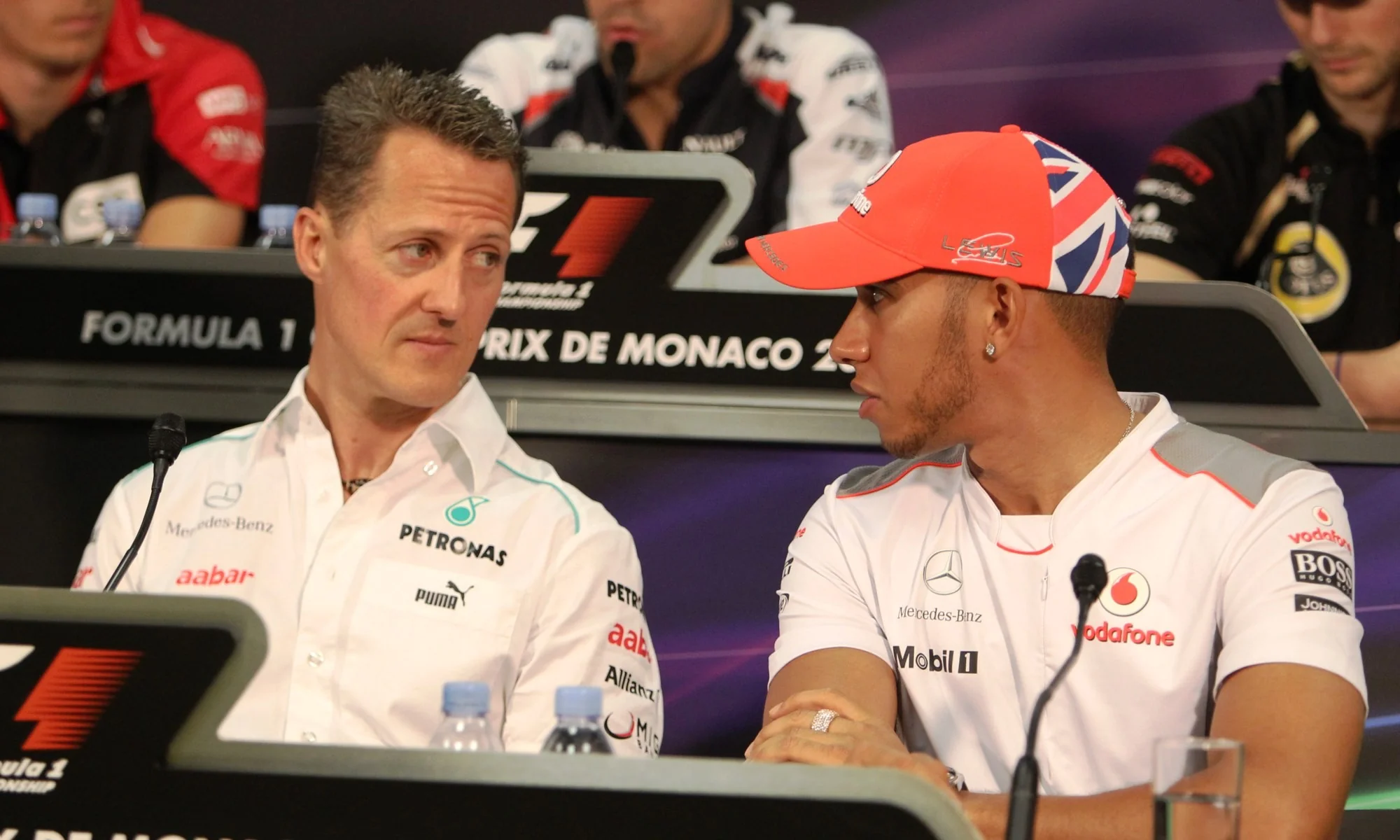
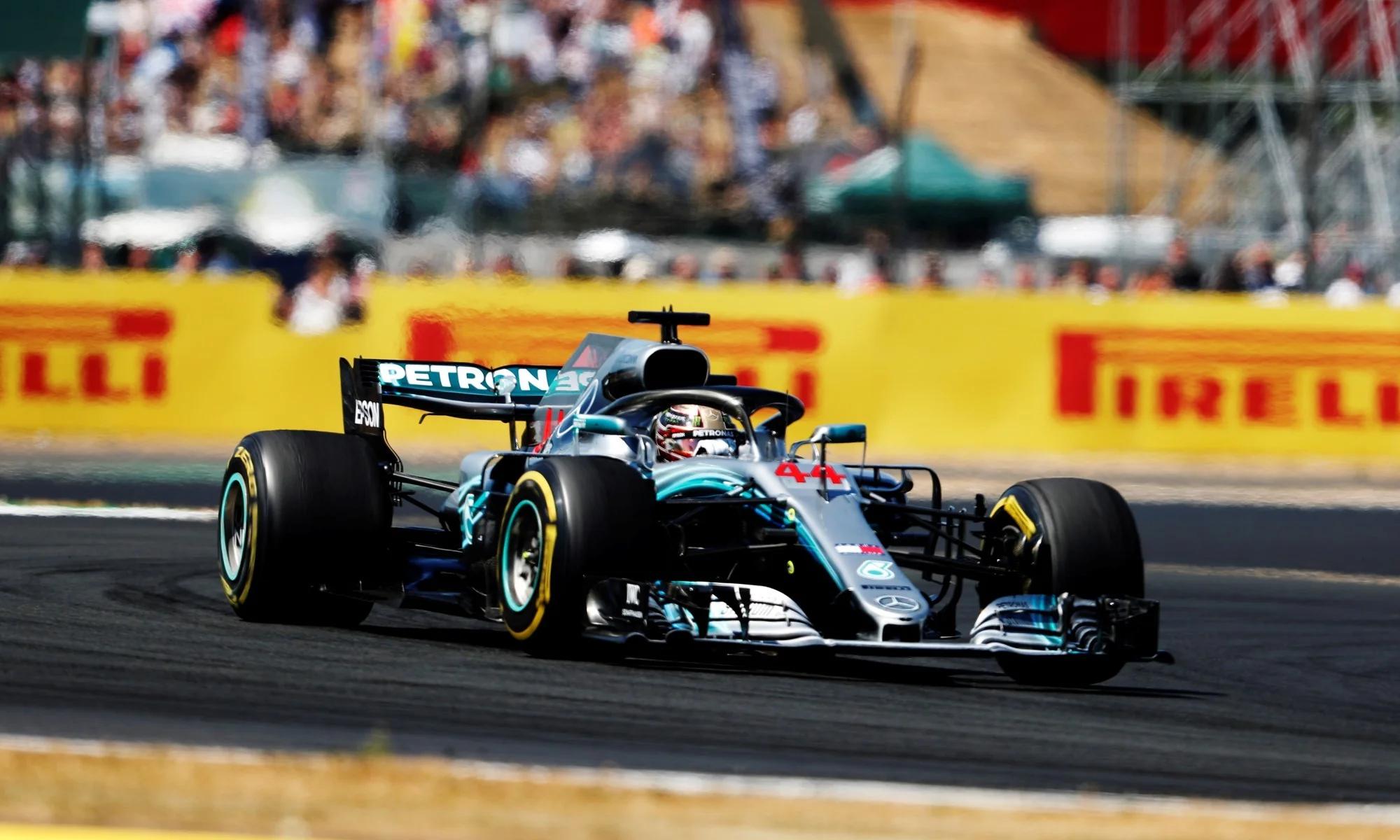



For South African petrolheads, Formula 1 history is not an abstract record book. It is Kyalami on a summer afternoon, the old Sunday ritual around a television set, and the names that still get argued over in garages, bars and WhatsApp groups. Ayrton Senna, Michael Schumacher and Lewis Hamilton sit in that rare tier where statistics, personality and racecraft all point in the same direction.
They did not reach greatness in the same way. Senna arrived like a force of nature, Schumacher built a dynasty with ruthless precision, and Hamilton turned longevity into an art form while stretching the sport’s audience far beyond its old borders. Put together, they map the evolution of modern Grand Prix racing better than any history lesson.
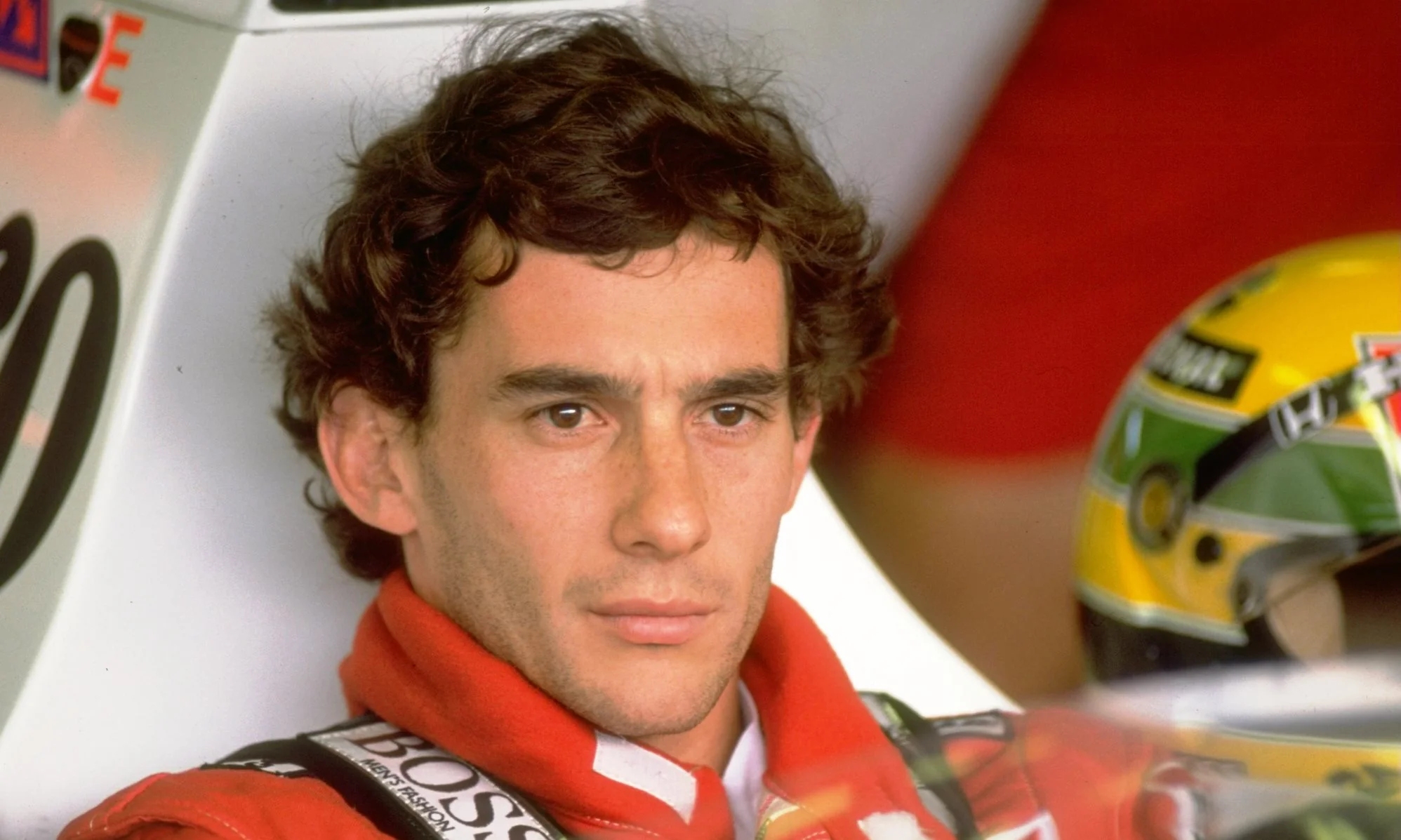
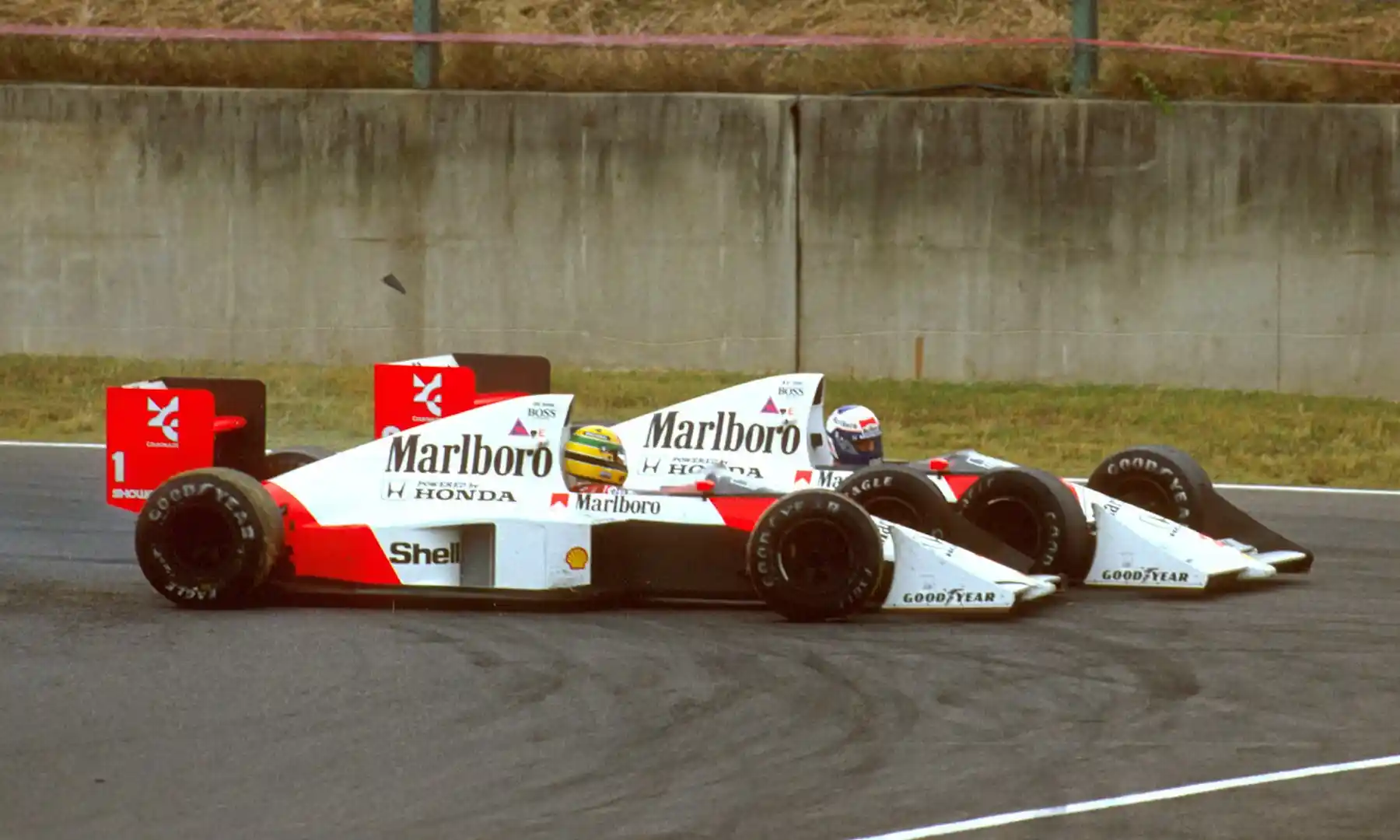
Ayrton Senna and the edge of speed
Senna’s reputation was built on the kind of pace that made rivals look ordinary. He had a feel for grip that bordered on supernatural, especially when the track was wet and the margin between heroics and disaster was tiny. The 1985 Portuguese Grand Prix gave him his first F1 victory, a storm-hit race at Estoril where he controlled the field with the calm of a driver far more mature than his years. It was the first of 41 wins.
That same instinct showed in qualifying. Senna collected 65 pole positions, which was the benchmark when he passed away, and he owned Monaco in a way no one else has matched, winning there six times. His 1993 European Grand Prix at Donington Park remains one of the sharpest opening laps ever driven in the sport. He started fifth and was already leading by the end of lap one, having cut through four cars in rain that exposed every weakness in the field.
There was more to it than raw aggression. Senna worked with a near obsessive sensitivity to the car. The story from Estoril in testing, when he picked up on a tiny vibration others missed and forced the team to find a piece of debris in a brake duct, fits the pattern. He was not only fast, he was exact.
In South Africa, his 1992 and 1993 appearances at Kyalami left a strong mark on local fans. Those races placed him in the same frame as the circuit’s own golden memories, with the kind of authority that still travels well in Mzansi.
Record line
- World titles 3, in 1988, 1990 and 1991
- Grand Prix wins 41
- Pole positions 65
- Monaco wins 6
- First F1 win 1985 Portuguese Grand Prix
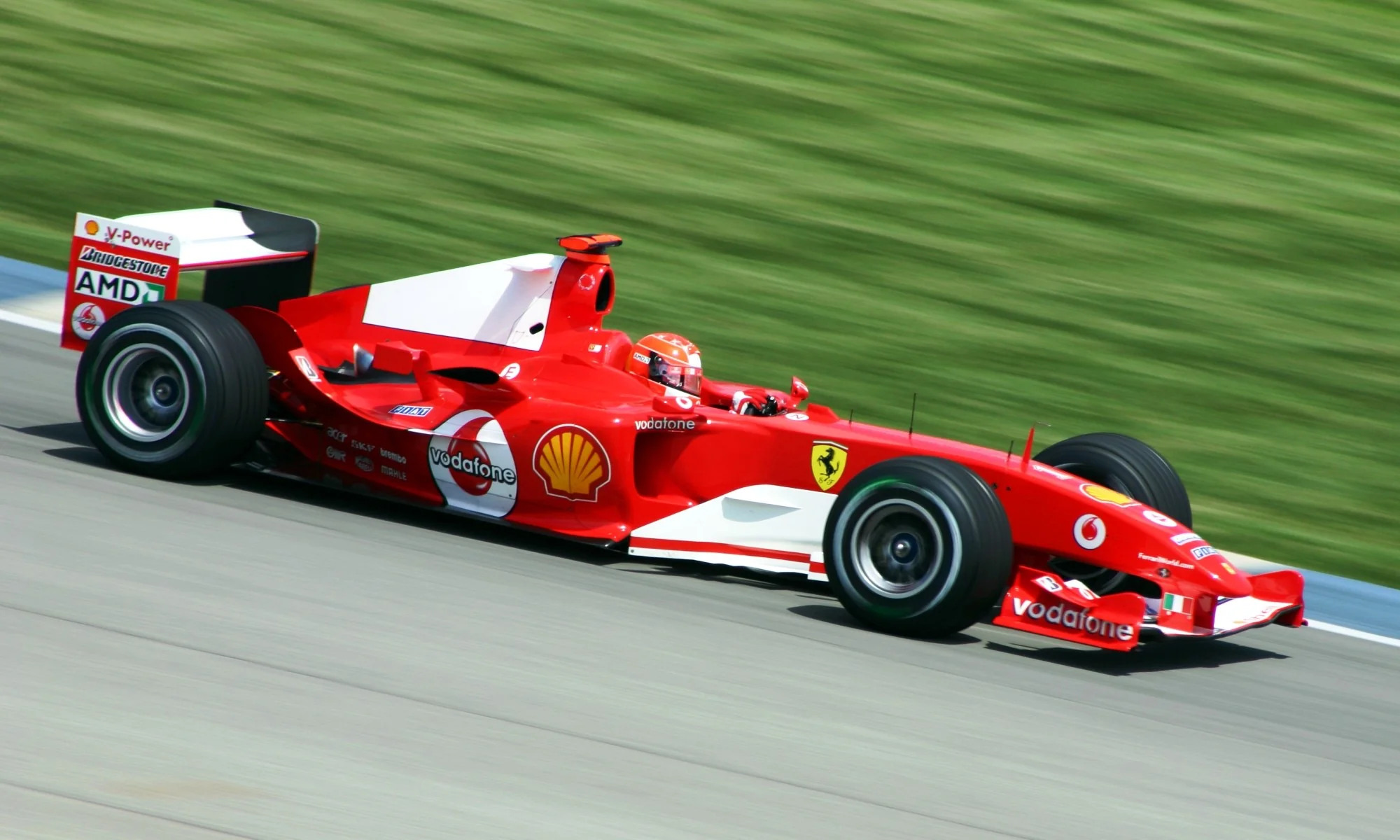
Michael Schumacher and the architecture of domination
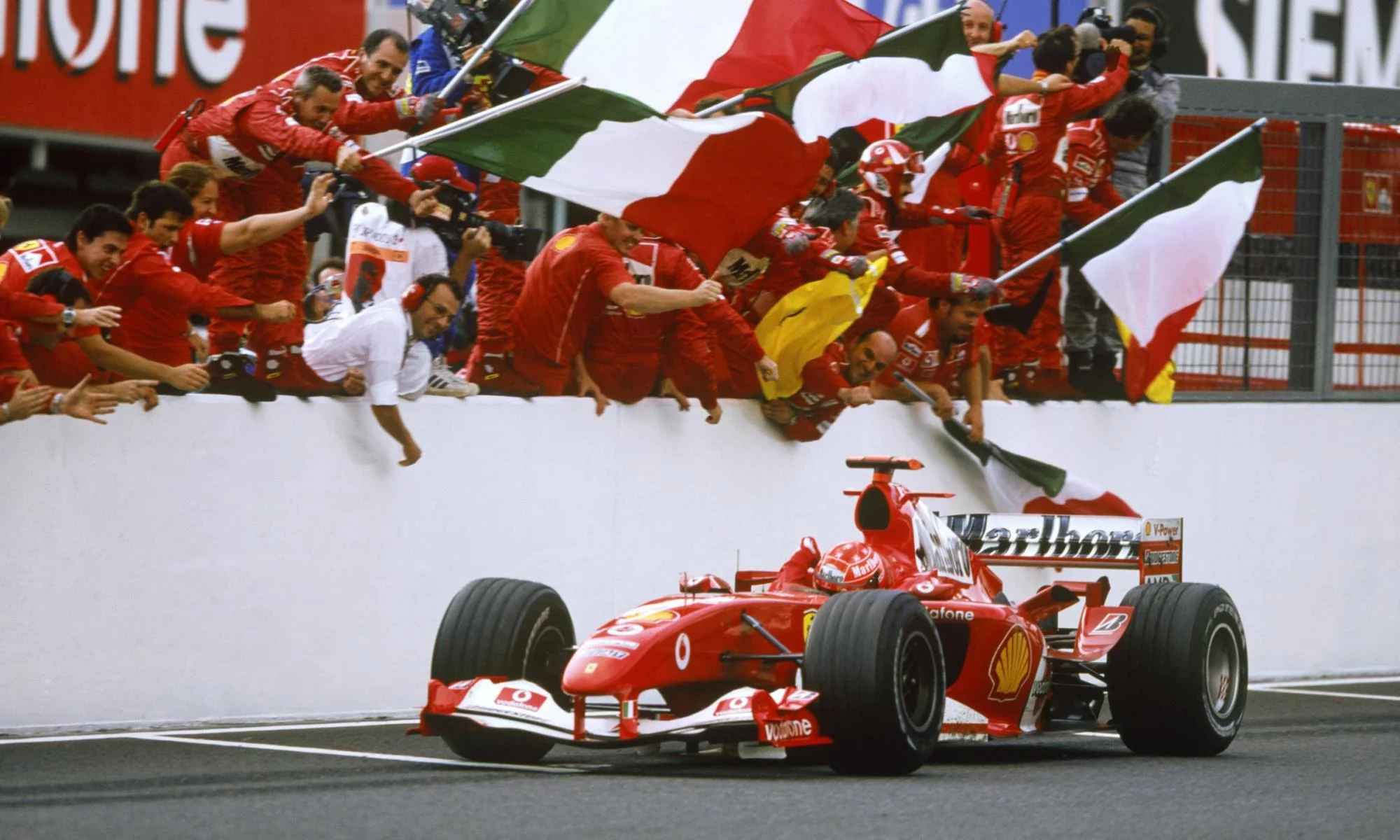
If Senna was instinct, Schumacher was construction. He treated Formula 1 like a project that could be optimised through discipline, feedback and pressure. His career produced seven world championships, 91 Grand Prix wins and 77 fastest laps, figures that turned him into the reference point for an entire generation. For 14 years, his win tally stood as the sport’s great summit.
The most impressive part of Schumacher’s story was not merely the number of titles. It was the way he changed the role of the driver. At Ferrari, working with Ross Brawn and Rory Byrne, he helped create a machine that could win again and again. From 2000 to 2004, Ferrari claimed five consecutive drivers’ titles with Schumacher at the centre of it all. In 2002, he finished on the podium in every race, a season of such consistency that it still feels unreal when laid out on paper.
His racing style was built on late braking, relentless attacking and an ability to assemble a lap with absolute certainty. He could bully a race into submission, then control the tempo once the lead was secure. That mixture of force and calculation defined his rivalries with Damon Hill, Jacques Villeneuve, Mika Häkkinen and Fernando Alonso.

Kyalami was part of the early climb. Schumacher raced in South Africa in 1992 and 1993, and in the latter year he stood on the podium at the circuit as the sport began to understand what he was becoming. For South African fans, that mattered because it happened at a track that once sat at the centre of global F1 conversation.
Record line
- World titles 7, including 2000 to 2004 with Ferrari
- Grand Prix wins 91
- Fastest laps 77
- Ferrari championships 5 straight
- Perfect podium season 2002
Lewis Hamilton and the modern frontier
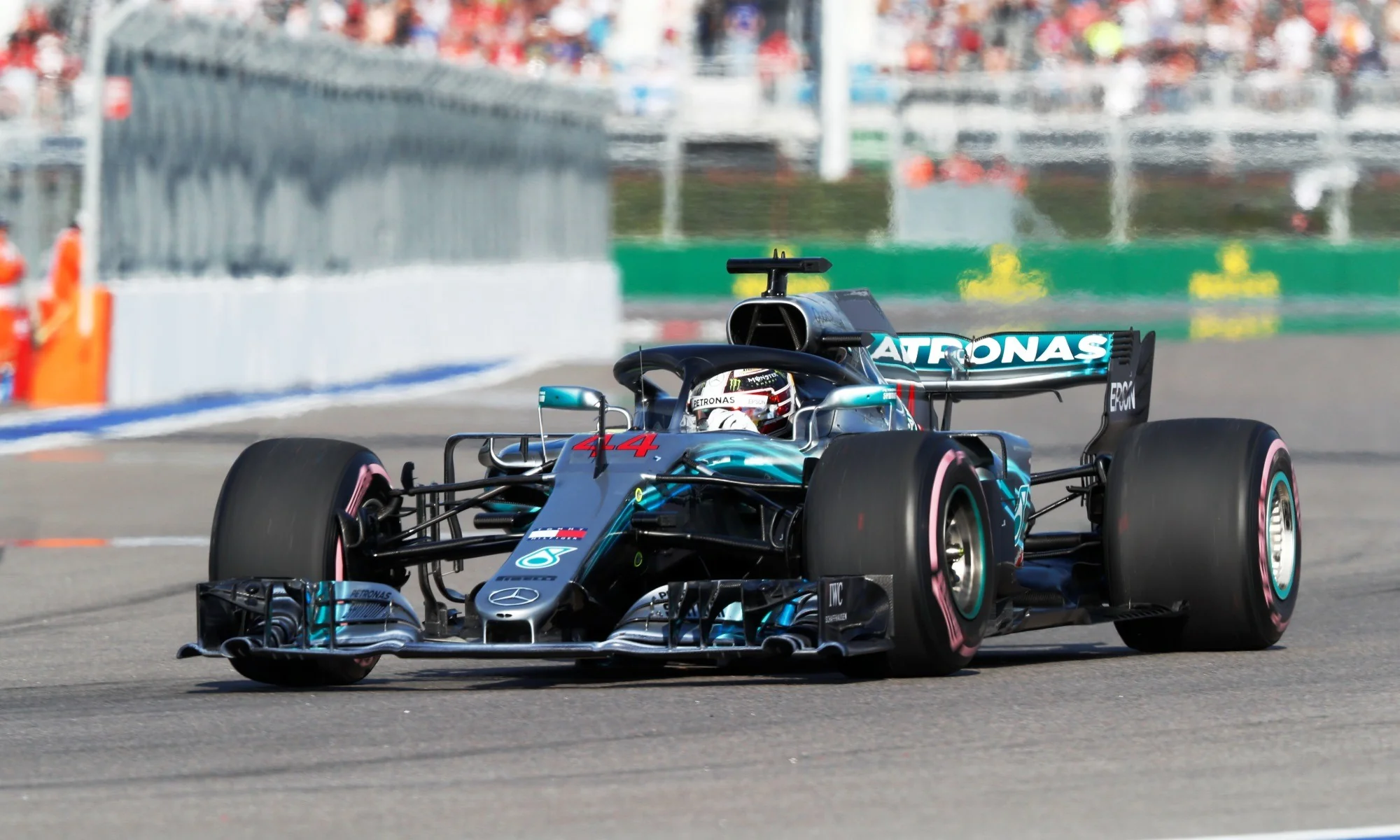
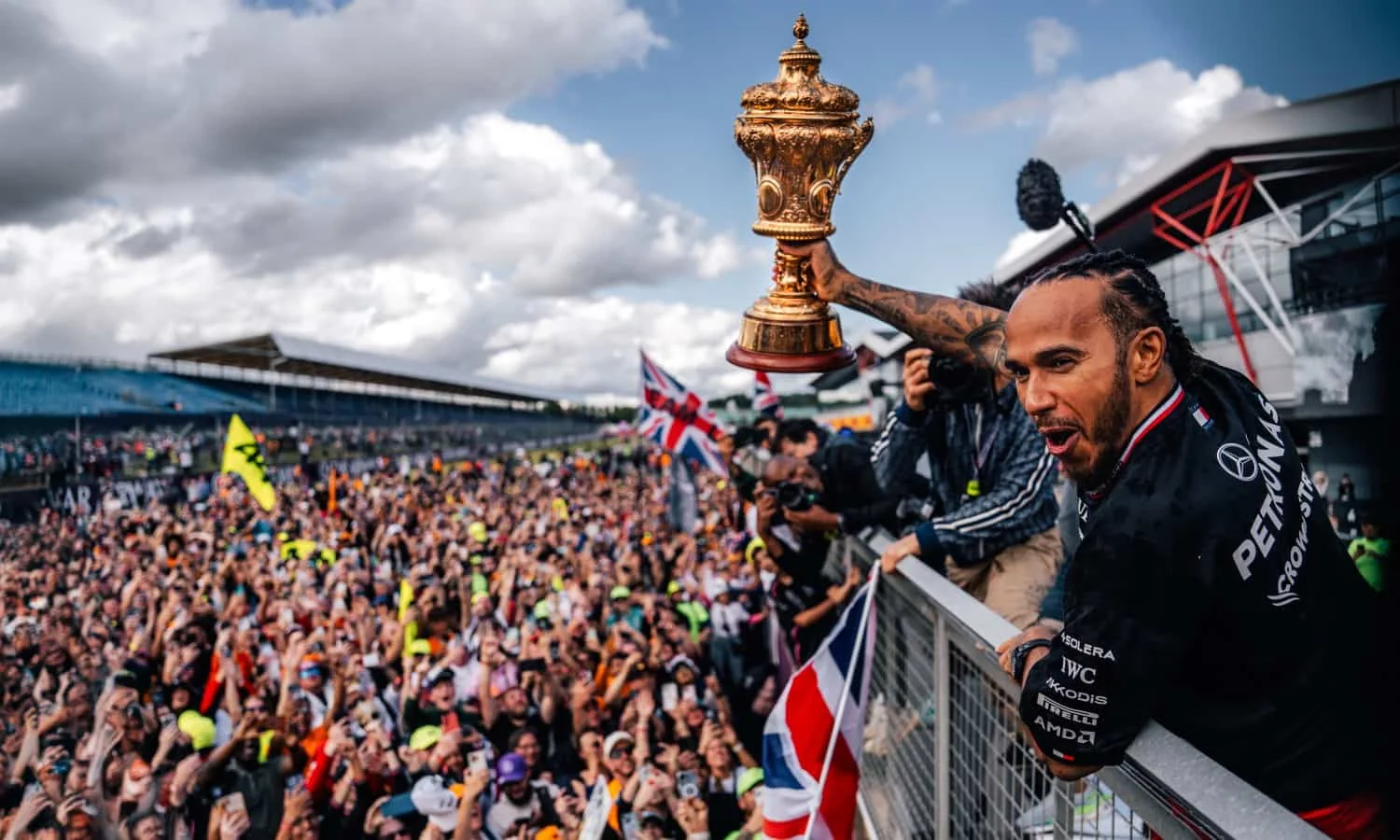
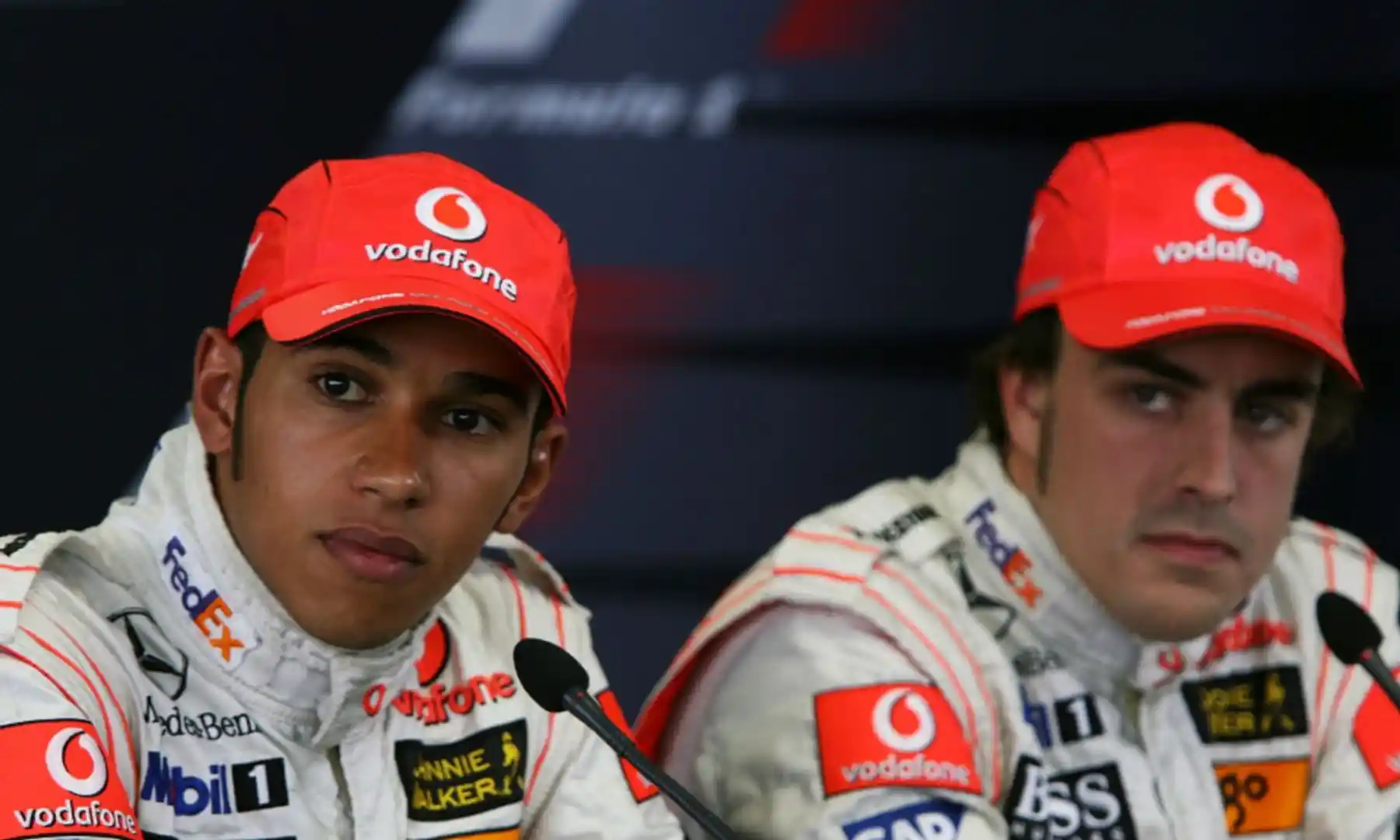
Hamilton’s place among the greats rests on versatility as much as speed. He trounced rivals early in his career, most notably usurping his double world-champ teammate Alonso in his rookie season. His record now stands at 103 wins, 104 pole positions and seven world championships, along with more podium finishes than any driver before him. He has been fast across V8, V6 turbo hybrid and multiple regulation eras, and that range separates him from drivers who only looked supreme in one technical climate.
His defining quality is control. Hamilton can attack a qualifying lap with startling aggression and still manage a race stint with clinical tyre preservation. He has been a master of change, whether fighting Fernando Alonso as a rookie, Nico Rosberg during the Mercedes civil war, or Max Verstappen in the late hybrid era. His smoothness behind the wheel is part of the package, but so is the ability to find grip where others see only compromise.
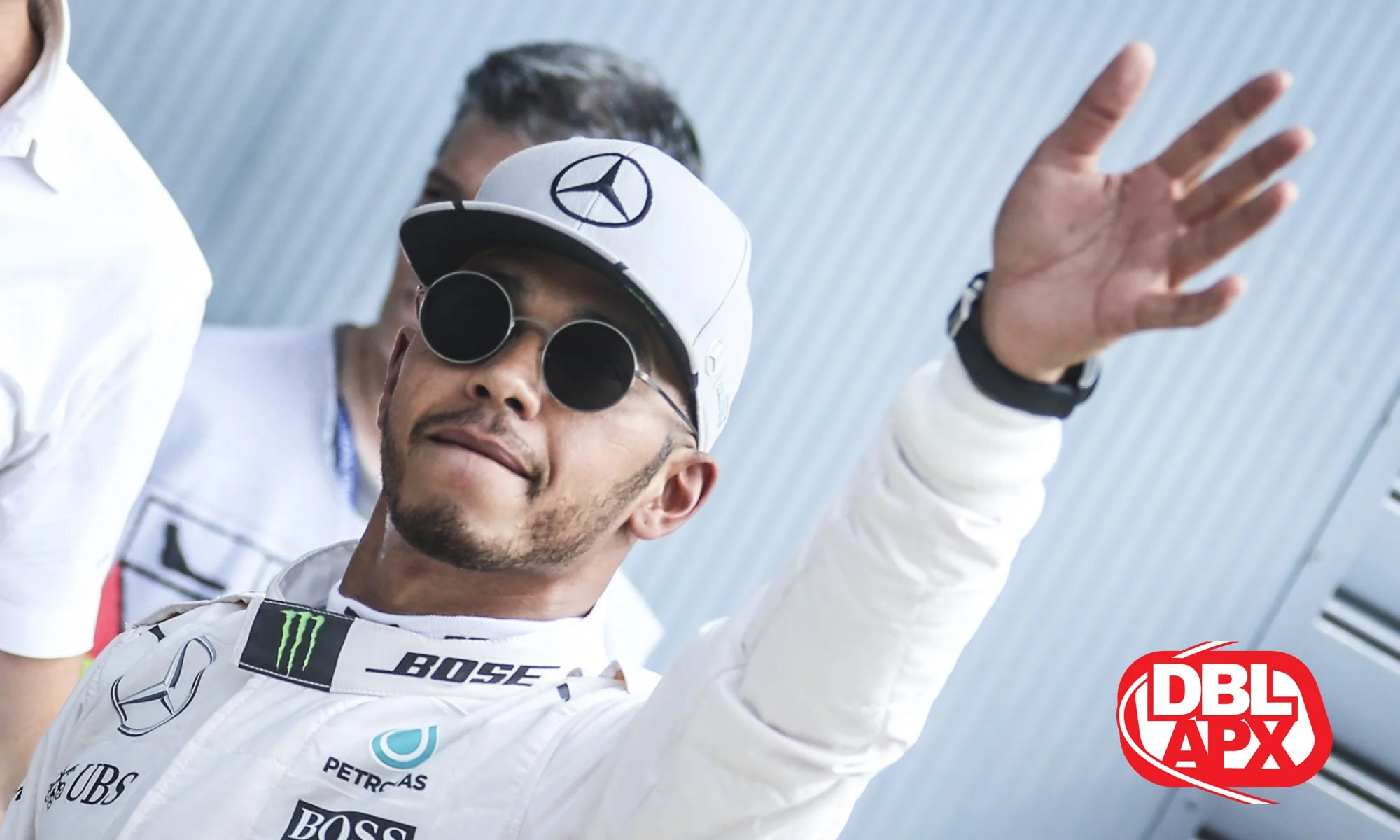
Hamilton also changed the public face of F1. As the sport’s first and only black driver, he turned visibility into influence, speaking openly on diversity, social justice and environmental issues. That expanded his audience well beyond traditional motorsport circles and made him a cultural figure as well as a racing one.
For South African fans, Hamilton’s impact lands in a country with its own hard history and a strong appetite for sporting excellence. His career offers a different kind of inspiration to Senna’s romance or Schumacher’s machinery. It is the story of a driver who has stayed at the front while the sport itself kept changing shape around him.
Record line
- World titles 7
- Grand Prix wins 103
- Pole positions 104
- Podiums 200 plus
Senna, Schumacher and Hamilton do not belong to the same era, but they do belong to the same conversation. Their careers explain how Formula 1 became faster, more professional, more global and more unforgiving. They also explain why a wet lap at Donington, a Ferrari surge at Suzuka, or a record pole in Hungary can still stop a room full of petrolheads mid-sentence.


Have your say
Got thoughts on this?
No feedback yet on F1’s Immortal Icons — Exploring the Legacy of Grand Prix…. Kick the conversation off.
Free. Email link only — no password.