
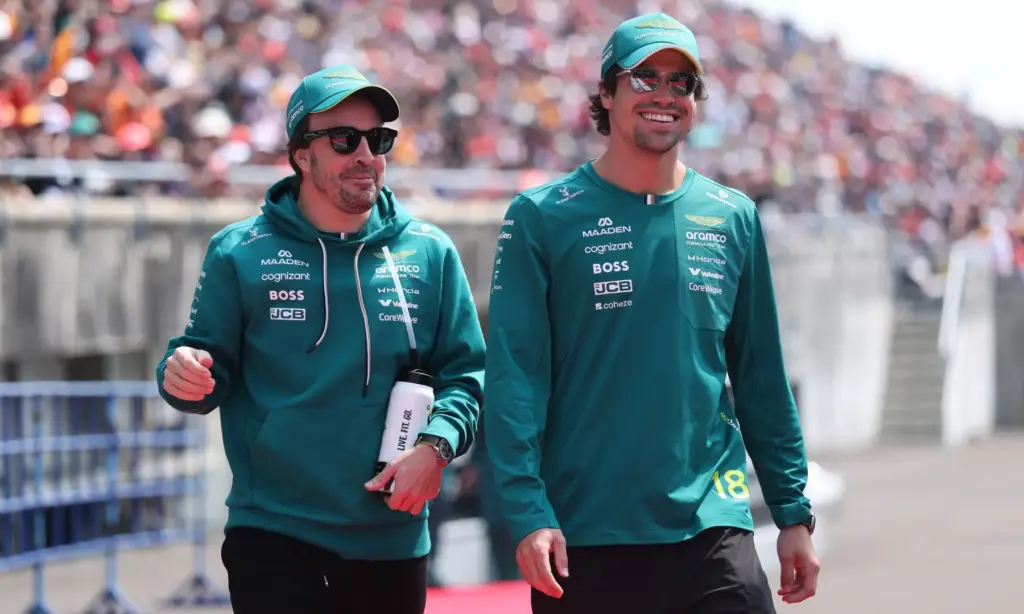
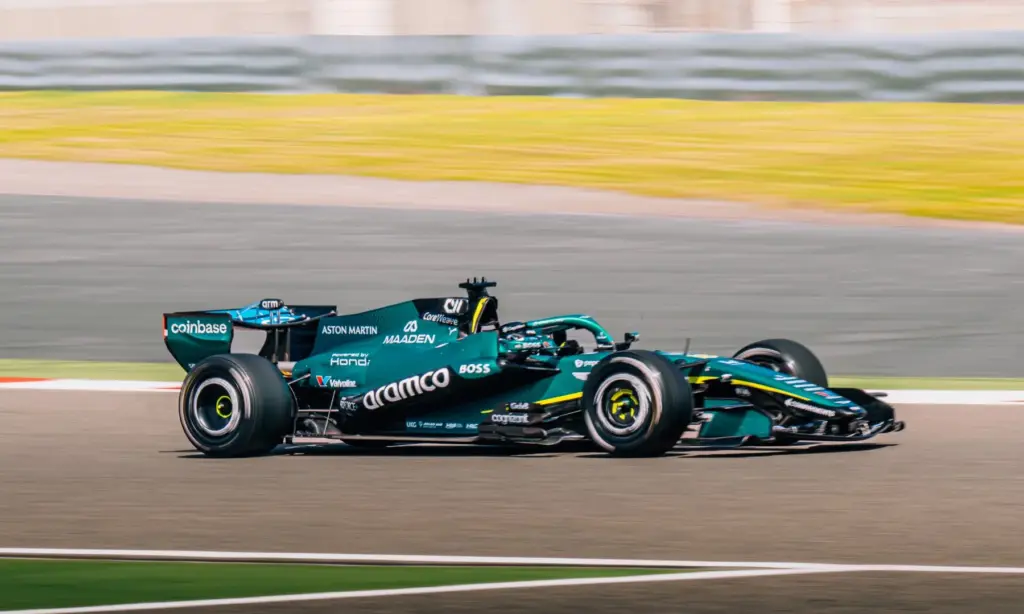


Regular Formula One contributor, Graham Duxbury, takes a look at Honda’s current F1 form and how it echoes another troublesome season.
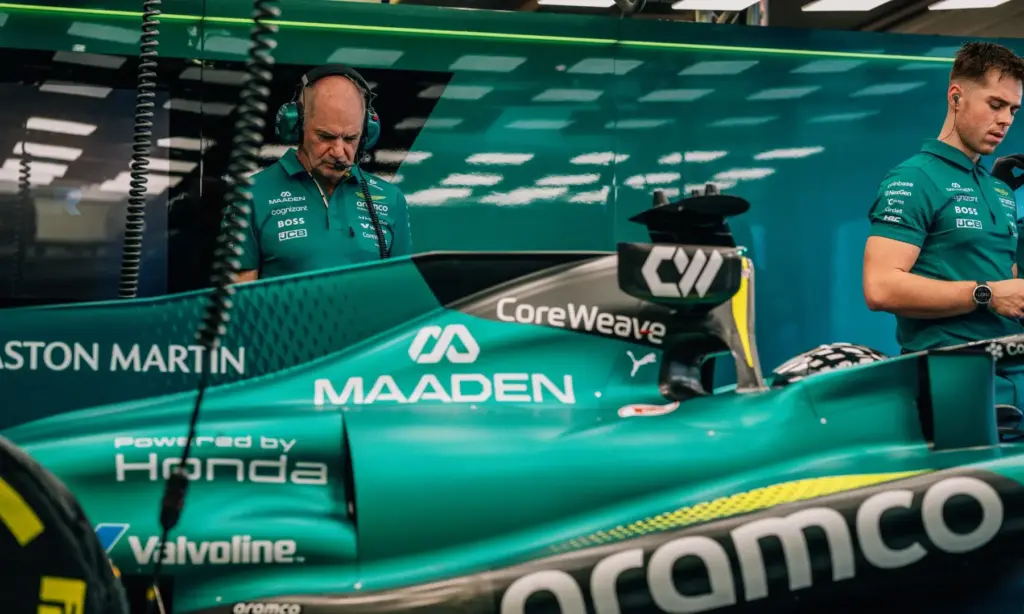
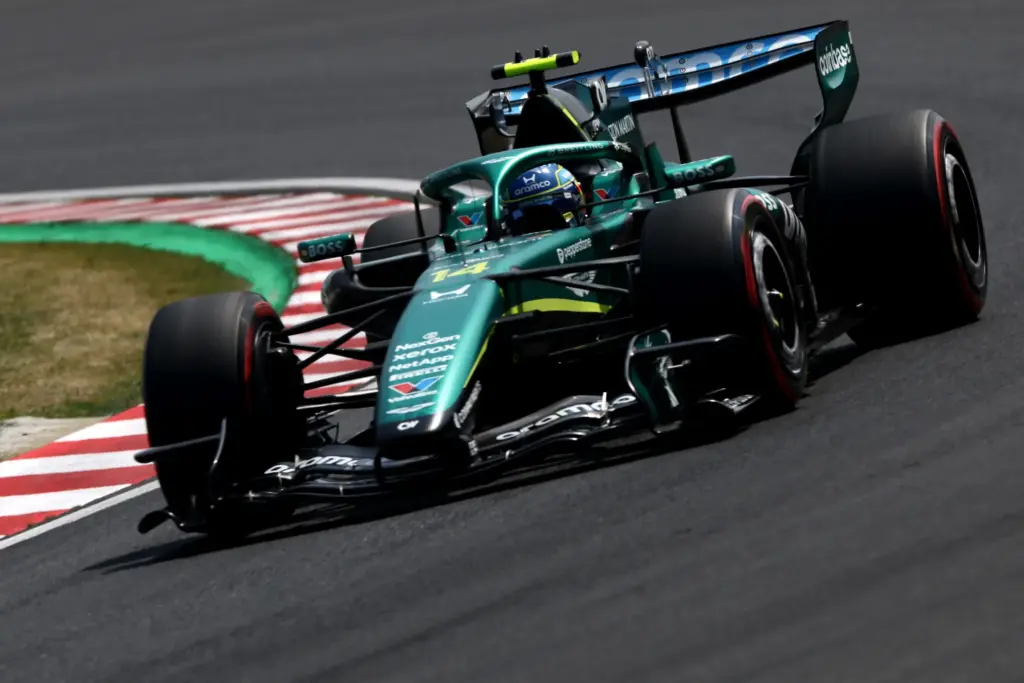
Aston Martin’s 2026 Formula One season has been plagued by a number of technical setbacks, notably severe vibration in Honda’s power unit, resulting in reliability issues, driver discomfort and operational challenges.
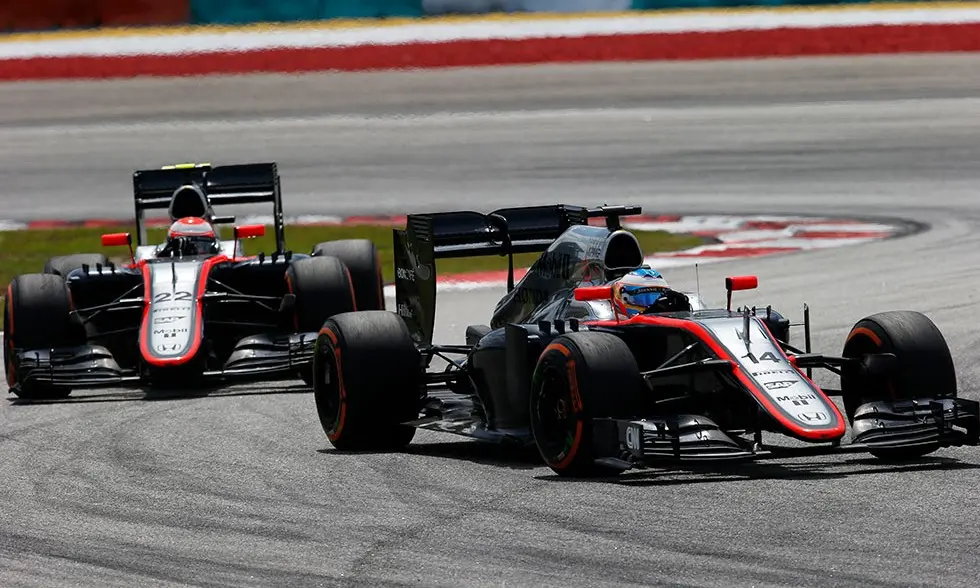
Perhaps surprisingly, given Honda’s world championship successes with Red Bull and Max Verstappen, the issues mirror – uncannily – those experienced by the Mclaren team when it used Honda engines in 2015. Back then, it did not take much insight to realise that Honda’s powerplant was neither powerful nor reliable. For Honda, an engine manufacturer with a glorious past, the pain must have been intense.
Follow Double Apex on Instagram and Facebook where we share more car content.
So Much Promise
Much like Aston Martin in 2026, McLaren started the 2015 season with much optimism after renewing a partnership with Honda that brought plenty of success in the late 1980s and early 1990s with Ayrton Senna and Alain Prost. However, the 2015 Honda engine was significantly underpowered and off the pace.
What went wrong? With Honda joining the then-new hybrid V6 formula a full year after its inception, the Japanese engineers must have had a good idea of what it would take to beat the Mercedes-Benz class-leading powerplant. Yet they came up short.
Ironically, it was Fernando Alonso – then driving for McLaren – who labelled the Honda powerplant a “F2 engine” in a widely publicised rant. Under pressure from Honda’s PR machine, he was forced to limit public criticisms. It’s no different today, and Fernando, by his standards, has been particularly muted so far in 2026.
In 2015, The Times newspaper in London reported that “Button and Alonso are saddled with an unreliable and underpowered car that has had the teammates privately tearing their hair out despite their outward public calm”. Substitute Lance Stroll for Jenson Button and the Times piece could have been written yesterday.
Click here to learn more about the recent shake-up in the F1 regs.
History is no Indicator
Back in 2015, Allan McNish, a former Toyota F1 driver and then BBC pundit said “the Honda team of today bears no relationship to the Honda team of the past”. He suggested that Honda’s age-old philosophy of making progress slowly was out of step with the F1 world in 2015. Arguably, Honda is again out of step with F1 in its 2026 guise.
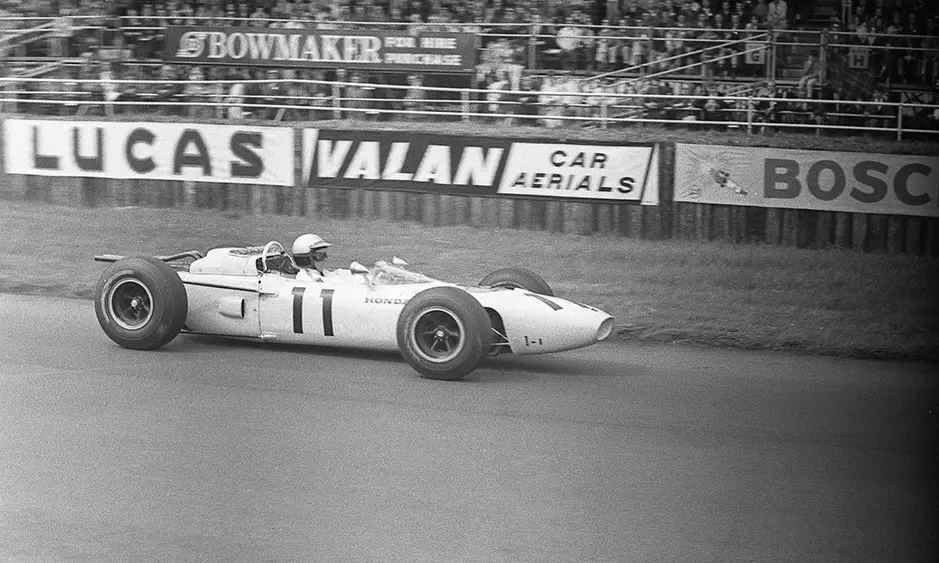
When Honda first entered F1 with its own team in 1964, it came in “through the back door”, with a virtually unknown American, Ronnie Bucknum, behind the wheel. There were no expectations of immediate success and Honda developed its design and technology at its own pace. When ready, it employed Richie Ginther who had experience at Ferrari, BRM and Cooper to take Honda to its first-ever win at the 1965 Mexican Grand Prix.
Some two decades later, when Honda decided to make another foray into F1, it began a testing programme in partnership with Spirit Racing, better known as a F2 team. Without a pedigree in F1, there were no expectations of immediate success.
A Run of Success
It was only after nearly 20 000 km of on-track testing that Honda was confident enough to offer its engines to the Williams team for 1984. It promptly dropped Spirit, going on to supply the Lotus, McLaren and Tyrrell
It was suggested in 2015 that one of the clues to Honda’s problematic approach to F1 was the urgency with which former McLaren team bosses Eric Boullier and Jonathan Neale encouraged Honda to prioritise performance over reliability. Today, the same is being said of Aston Martin’s technical guru Adrian Newey, who is known for making severe packaging and other demands of engine suppliers.
In 2015 testing opportunities were limited as they are today which impacts Honda’s philosophy which is at odds with current demands for immediate gratification. Peak performance right out of the box has never been the Honda way.
History Repeating Itself
In 2015, McLaren’s mounting frustration was because Honda and McLaren saw their mutual project from different perspectives. History is repeating itself. While McLaren needed results quickly, Honda regarded F1 engine development as a training exercise for a new generation of young engineers to meet the challenges presented by cutting-edge hybrid technology.
Unfortunately, the stuttering McLaren-Honda collaboration did not eventually bear fruit McLaren switched to Renault engines and Honda was adopted by the Red Bull/Toro Rosso partnership eventually achieving multiple world championship successes. All that’s needed by the Aston Martin Honda team is time – a fast-depleting commodity in the modern world.

Have your say
Got thoughts on this?
No feedback yet on Feeling Honda’s Pain – Again. Kick the conversation off.
Free. Email link only — no password.