
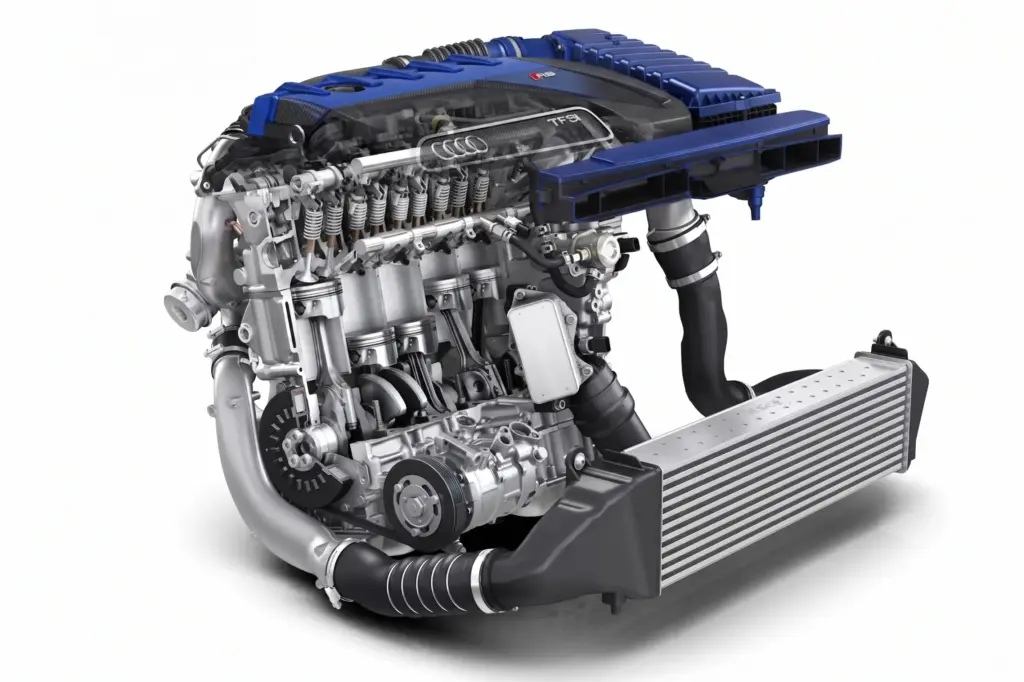
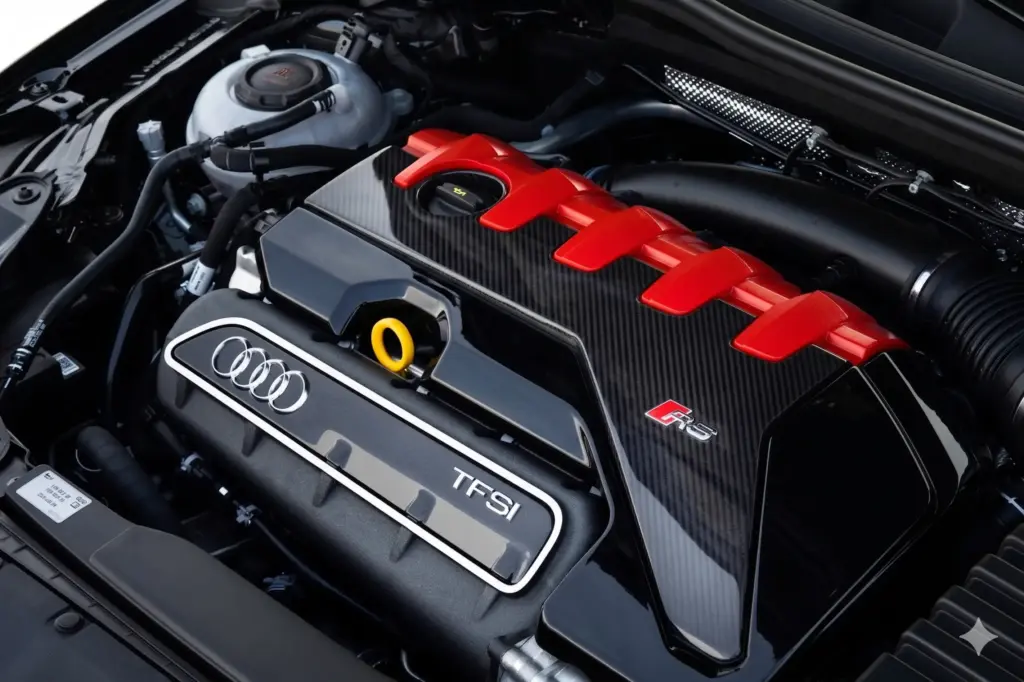



Audi’s five-cylinder is finally heading for the exit. And unlike the usual industry theatre around “new eras” and “exciting transitions”.
Audi has confirmed that its turbocharged 2.5-litre inline-five will disappear from its European line-up by mid-2027 because it will not meet incoming Euro 7 emissions rules. That puts an end date on one of the few genuinely distinctive performance engines left in the business.
Audi’s five-pot was never just another powertrain option buried in a spec sheet. It became part of the brand’s identity. The sound, the oddball layout and the rally-bred mythology around it gave Audi a mechanical signature that rivals could not easily copy. Plenty of manufacturers built fast cars. Far fewer built engines people could identify with their eyes closed.
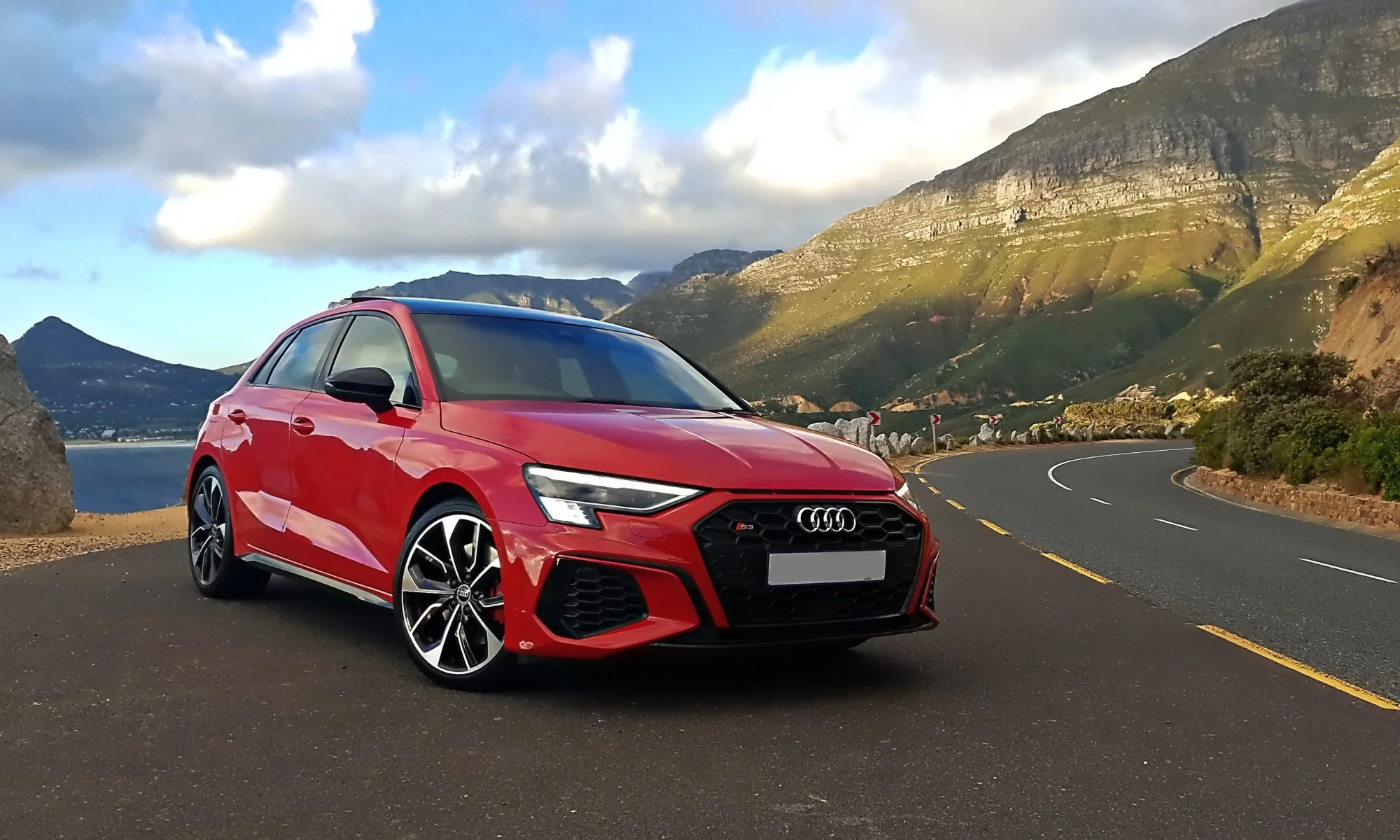
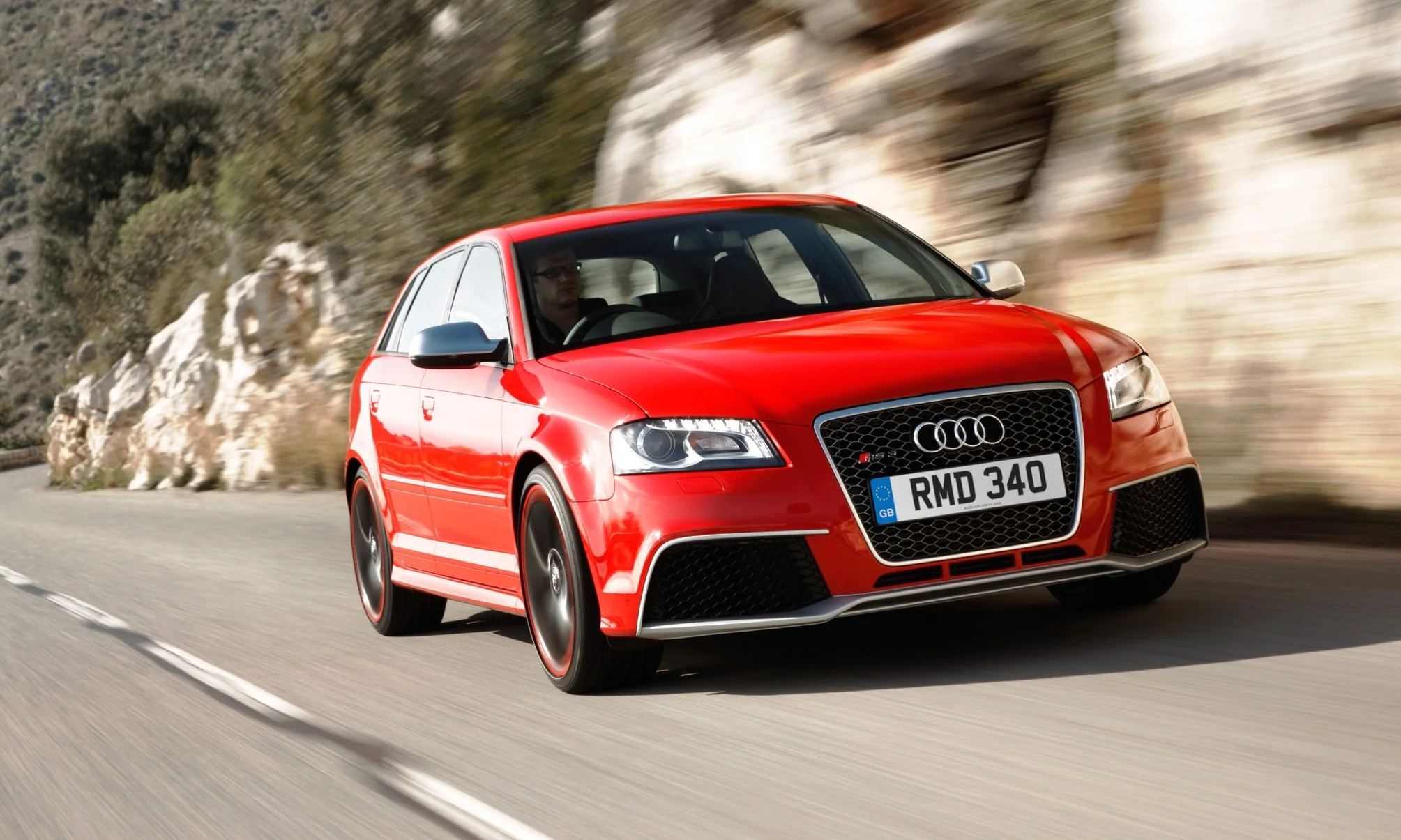
In current form, the engine lives on in the RS3 Sportback and Sedan, where the 2.5-litre EA855 produces 294kW and 500Nm. With quattro all-wheel drive, both body styles dispatch 0-100 km/h in 3.8 seconds. Those numbers still hold up. More importantly, so does the character.
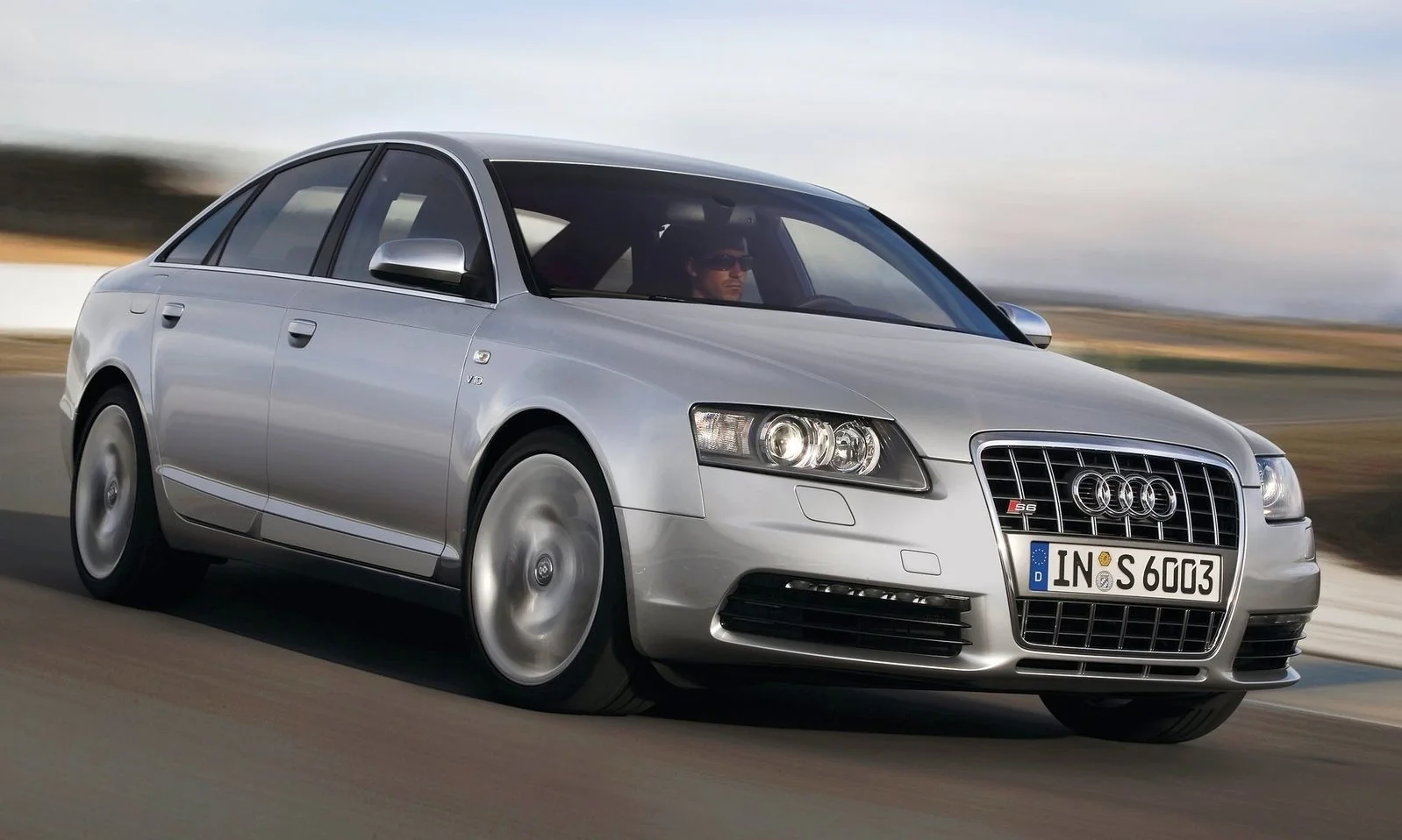
This is the same engine family that has also served in the RS Q3 and TT RS, and it is not done making appearances just yet. Cupra’s limited-run Formentor VZ5 is due in some markets with a slightly detuned version producing 287kW and 480Nm. There is also speculation about a final celebratory outing elsewhere in the VW Group, but that remains just that for now: speculation.
For South Africans, this is one of those stories worth watching even if the regulation itself is European. Our market often gets the aftershock rather than the first hit, but the result is usually the same. If an engine becomes too difficult or too expensive to justify globally, smaller right-hand-drive markets do not stay insulated forever. You may get a little more runway. You rarely get a different ending.
That is partly why markets like Australia are being watched closely. Their emissions timetable differs from Europe’s, which could allow the five-cylinder RS3 to remain on sale there beyond its European shelf life if supply holds. South Africa often lives in that same broader reality: desirable petrol performance cars can hang around a little longer than they do in Europe, but usually on borrowed time.
Audi, for its part, has softened its once-neat EV-only line. The company is now talking in more pragmatic terms about being technology-agnostic and keeping combustion engines alive well into the 2030s. That sounds sensible, but it does not save every engine. The five-cylinder is still going because Euro 7 is tightening the screws and Audi is not carrying this one forward into compliance.
And sentiment is a big part of this story.
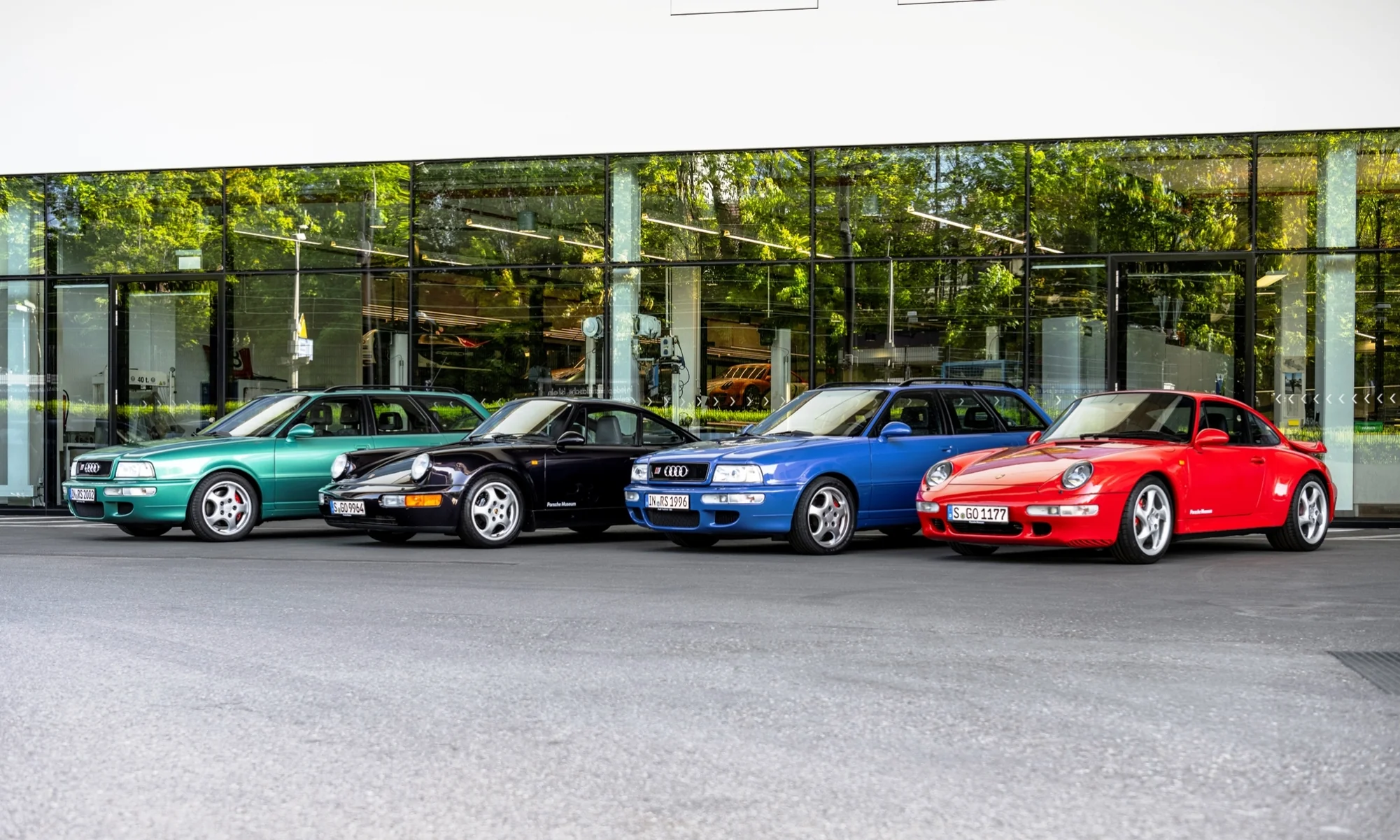
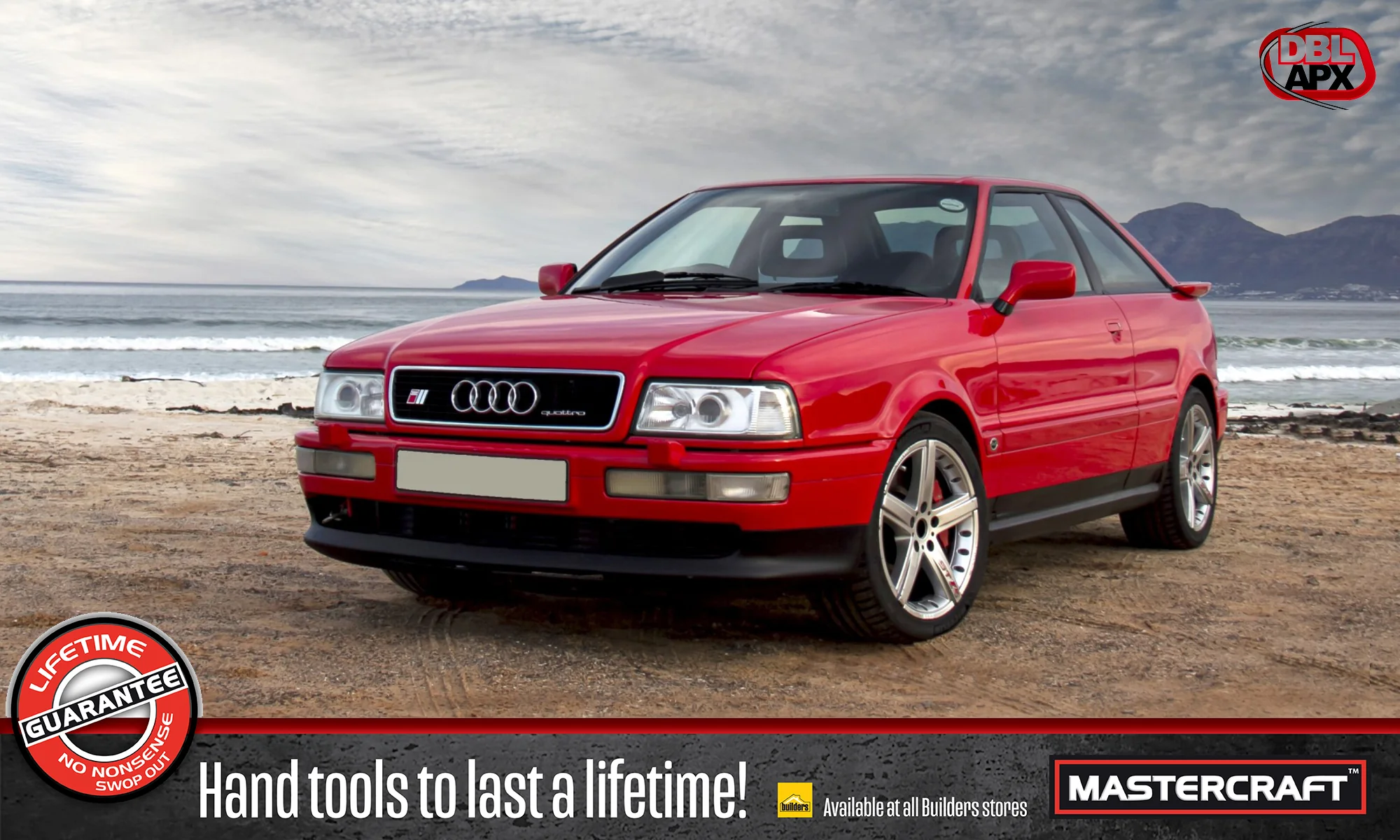
Audi’s association with the five-cylinder goes back to the 1976 Audi 100, but it was the original Quattro that sealed the legend. Once that car arrived in 1980 with its turbocharged five-cylinder and all-wheel-drive system, Audi had a proper performance identity. The engine became inseparable from the brand’s most compelling years, particularly in rallying, where the Quattro did not just win; it changed the game.
That is what makes this more than a routine product-cycle obituary. Audi is not merely retiring an old engine. It is losing one of the last pieces of mechanical theatre in its performance arsenal. In an era of increasingly efficient, increasingly heavy and increasingly sanitised fast cars, that counts for something.
The replacement logic is already here. Audi’s new RS5 has gone plug-in hybrid, pairing a 2.9-litre twin-turbo V6 with electric assistance for a combined 470kW and 825Nm. On paper, it is a monster. It also meets the emissions reality that has claimed the five-cylinder. That is the future premium performance brands are being pushed toward: more power, more torque, more electrification, less romance.
BMW is doing much the same. The next M3 is expected to split into electric and electrified combustion variants, while the latest M5 has already been reworked around a hybridised formula. Nobody is short of speed. What is disappearing is flavour.
That is the real loss here. Audi’s five-cylinder was not important because it was the most rational engine on the market. It was important because it was gloriously irrational in the best possible way. It sounded different, felt different and gave Audi something that cannot be recreated with another high-output hybrid powertrain and a synthetic soundtrack.
By mid-2027, Europe will say goodbye to it. Other markets may get a brief stay of execution. Either way, the end is in sight.
And when it finally goes, Audi will still build fast cars. They may even be quicker. But they will lose one of the few engines that made the brand feel properly special.

Have your say
Got thoughts on this?
No feedback yet on Fifty Years Later, Audi’s Most Iconic Engine Is Running Out…. Kick the conversation off.
Free. Email link only — no password.