


Jaguar has spent a century building cars that traded on a certain kind of British swagger, but the old formula has run out of road. The brand has pulled the plug on its legacy petrol line-up, cleared out showroom stock and accepted a year of near silence so it can return as something far more expensive, far rarer and far harder to dismiss.
That reset would look dramatic anywhere. In South Africa, it reads as a blunt admission that Jaguar was stuck between markets. It was too costly to fight in the mass premium space, yet nowhere near desirable enough to command the kind of money buyers happily spend on the cars that really define the upper end of Mzansi motoring.
Jaguar’s old lane was too narrow
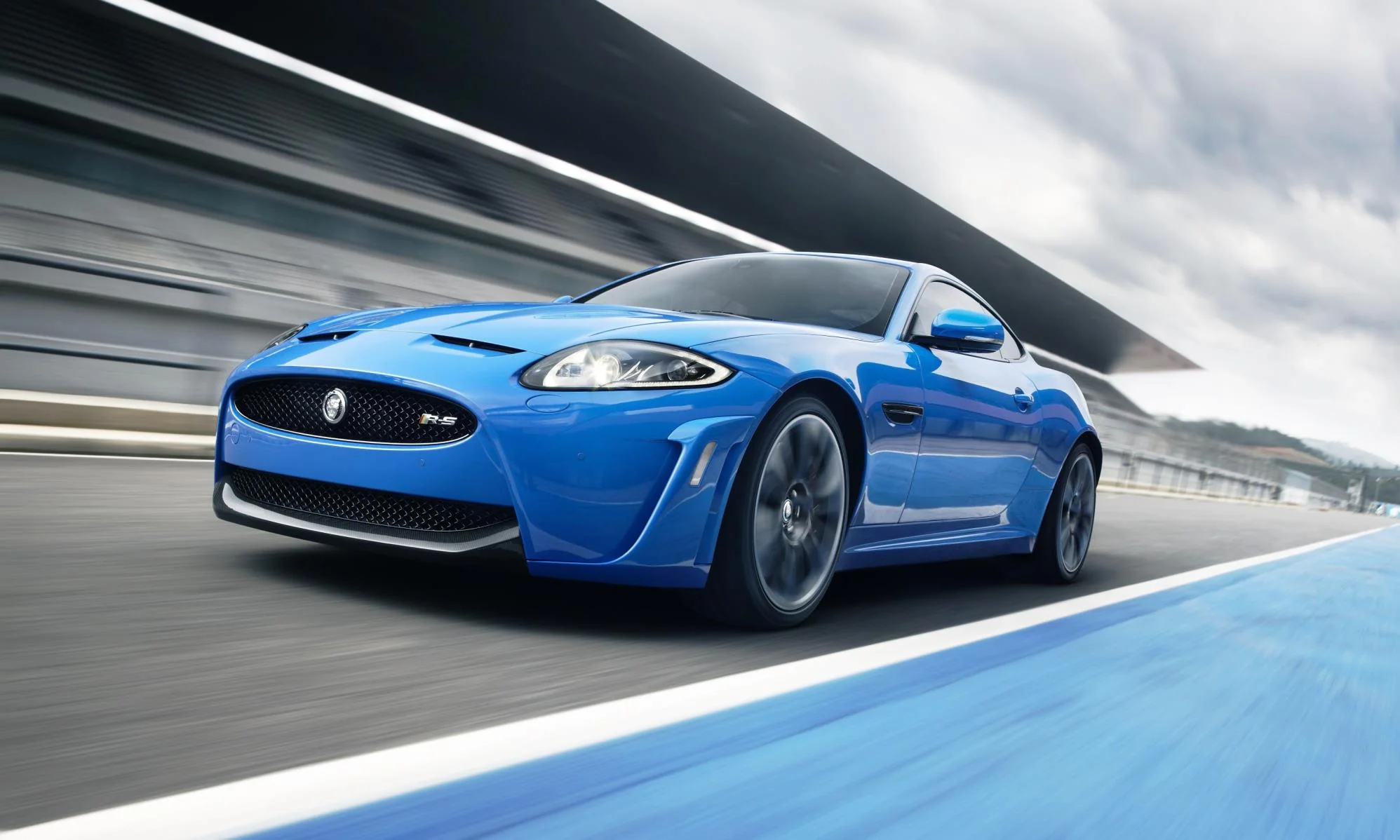
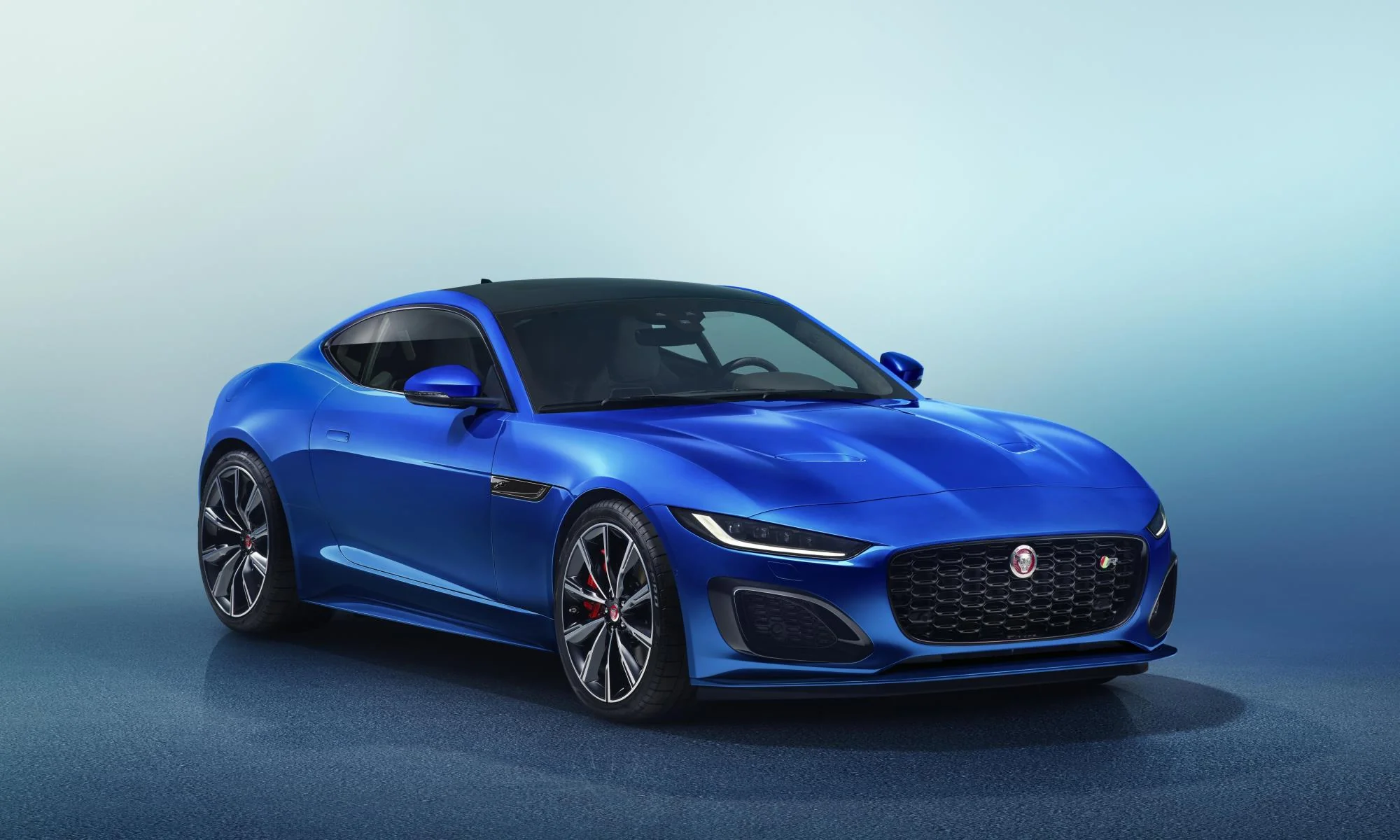
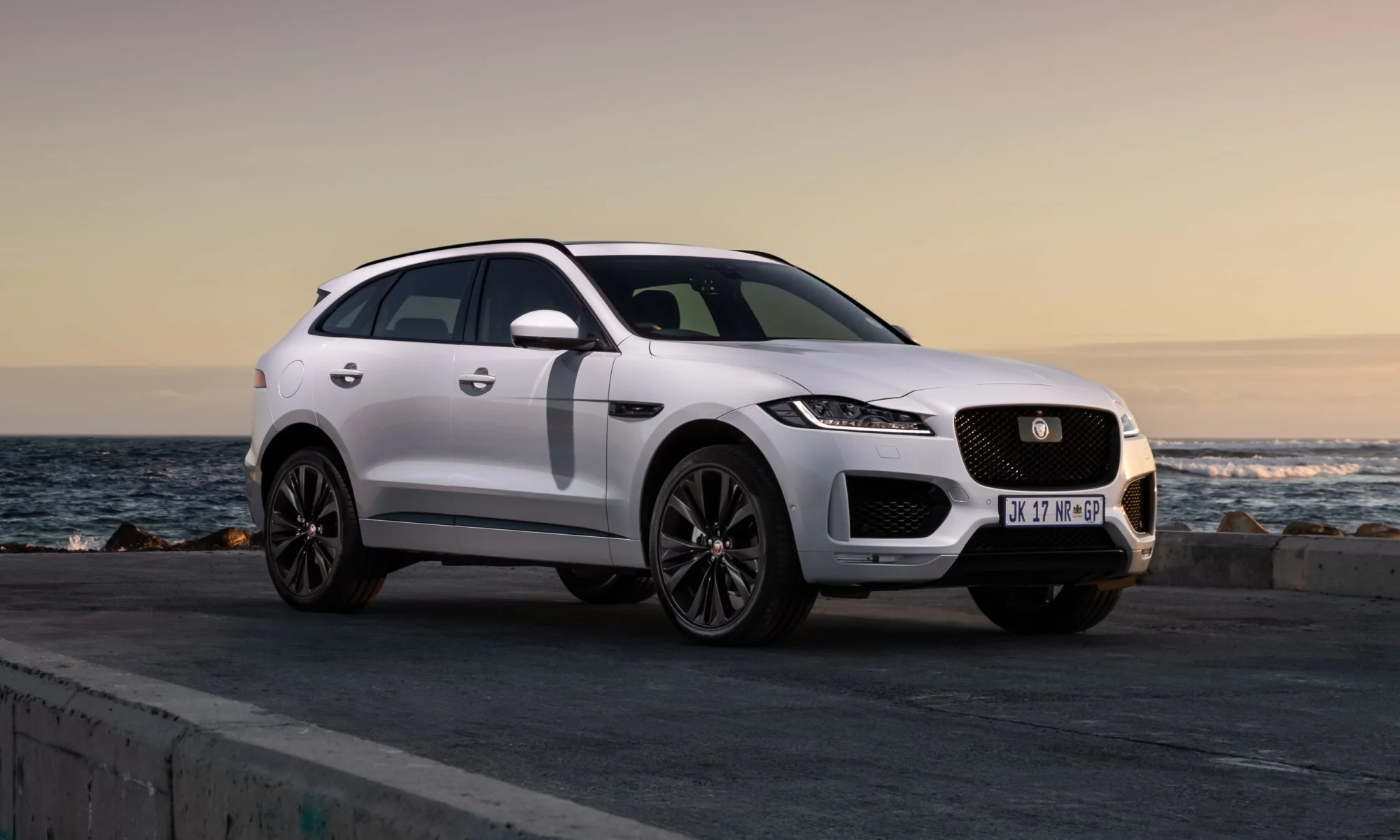
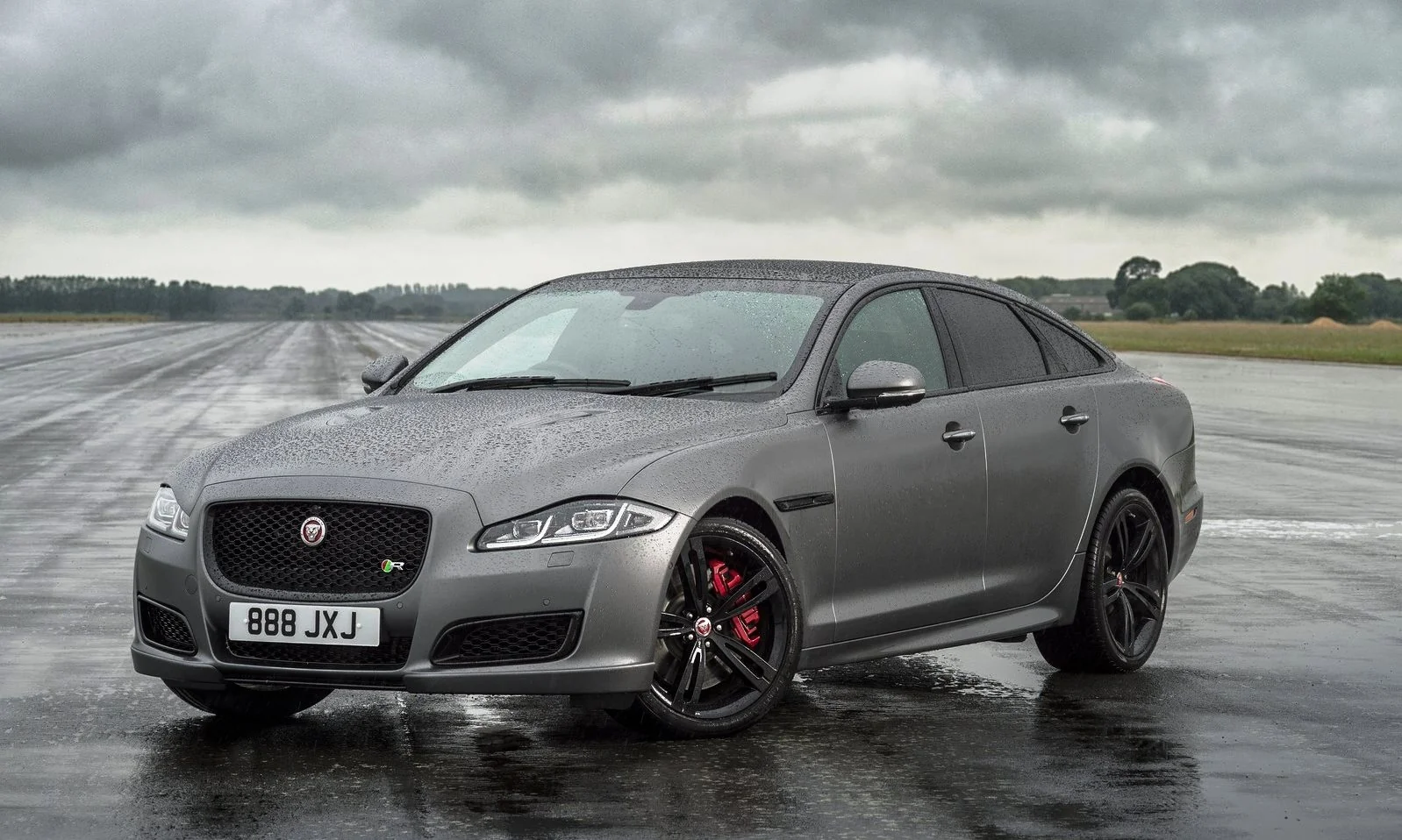
Jaguar’s recent line-up, made up of cars such as the E Pace, F Pace, F Type and I Pace, lived in the awkward middle ground of the luxury market. The cars were polished, quick and very handsome, but the business case behind them struggled. Jaguar leadership has already described the petrol range as generating close to zero profit, which is a brutal way to describe an entire product family.
Global volume tells the same story. Jaguar’s annual sales slipped from more than 180,000 units to just under 67,000. That kind of fall does not get fixed with a better brochure or a sharper finance deal. It means the market has moved on while the brand was still trying to make the old recipe work.
So Jaguar stopped building the old cars altogether. That created the zero stock situation customers now see, but it was deliberate. Dealers cannot sell new F Pace or F Type stock because production has been shut down, inventories have been drained and the factory is being retooled for a different era. Jaguar chose a temporary empty floor over years of discounting unprofitable metal.
The petrol era has ended
The company’s decision covers the full legacy range, including the petrol cars that once formed the backbone of the badge. Even the I Pace, which was already electric, has been swept into the reset. Jaguar is not trying to update the old chapter.
That approach sits under the brand’s Reimagine plan, a full electric reboot that is intended to move Jaguar far up the food chain. The target is no longer the premium executive crowd that once crossed shops with BMW, Audi and Mercedes Benz. Jaguar wants a seat at the table with Bentley and Aston Martin.
South Africa exposed the problem
South Africa shows exactly where the old positioning failed. Jaguar sat in the R1 million to R2 million band, a price zone occupied by executive sedans and medium crossovers. That space has become a wasteland for a brand without a dominant value story or a proper luxury halo.
Buyers in that bracket have split into two camps. Some want the best deal possible. Others skip the middle and head straight for something that feels properly aspirational, whether that is a Porsche, a Bentley or a Range Rover.
The local market was never short of money at the top end. It was short of patience for brands that looked premium but did not feel special enough to justify the cheque. Middle class strain has made entry level luxury tougher across the board, but wealthy South Africans have not stopped spending. They have simply become more selective.
Cape Town’s Atlantic Seaboard, Sandton and Umhlanga still anchor demand for the expensive end of the market. That is where the best examples of the country’s premium appetite still show up, from performance cars to high riding lifestyle SUVs that cost more than many homes.
Land Rover already knows this market
JLR does not need a lecture on how to sell expensive cars in South Africa. Land Rover and Range Rover have already proven the point. Cars.co.za premium sales data has shown the Land Rover Defender moving 1,468 units in a year locally, while the Range Rover Sport remains one of the country’s best known high ticket status buys.
That proves the ceiling is not the problem. South Africans will spend R2 million, R3 million and R5 million plus on the right car. They are just not lining up to do it for a Jaguar yet… that still looks like it belongs in yesterday’s premium bracket.
Jaguar’s mistake was positioning, not pricing power in the abstract. The brand had no convincing claim on the middle luxury space and no presence in the super luxury space and hit a dead zone amidst the electric reinvention.
The new Jaguar has to feel expensive enough
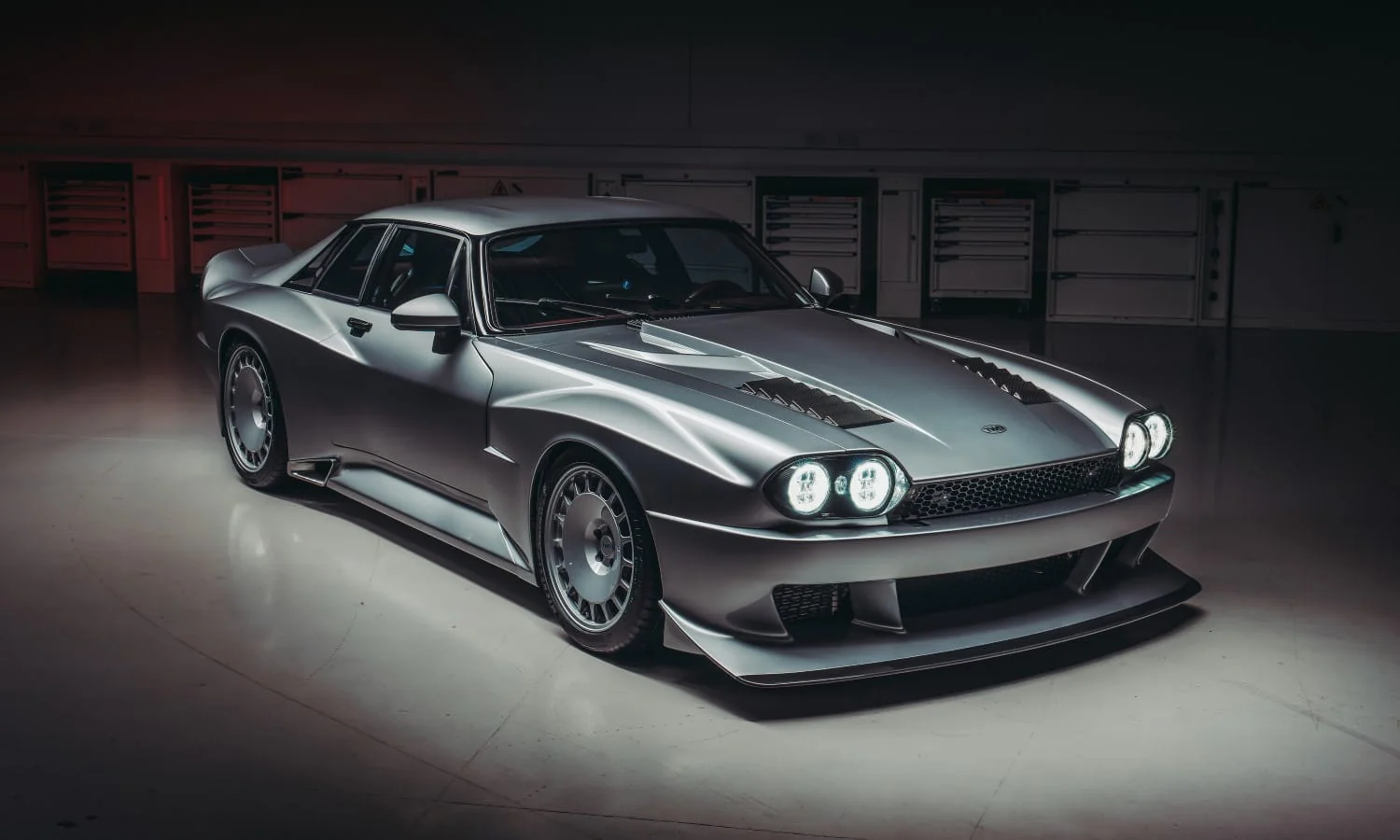
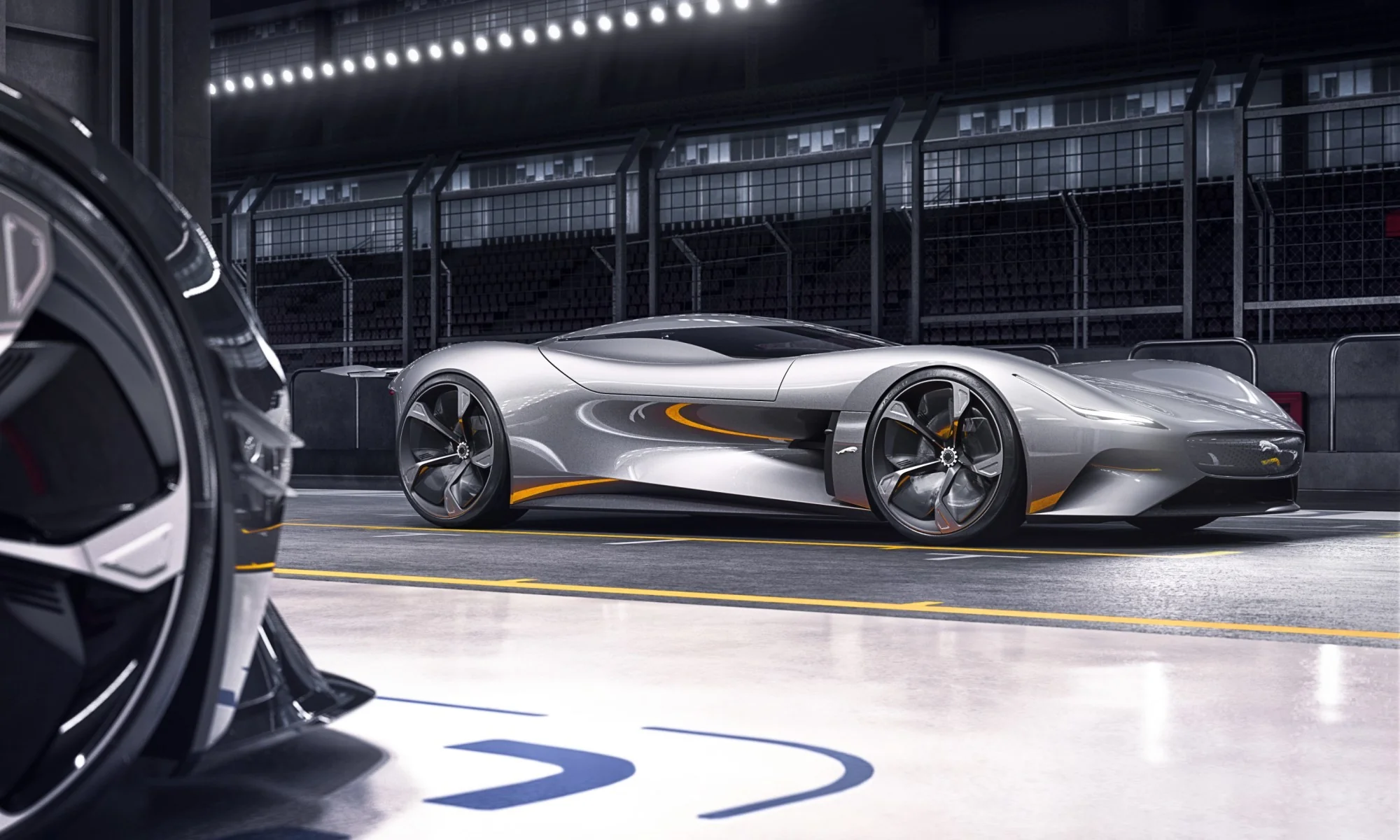
The next Jaguar is expected to be a pure electric four door GT, previewed to date as Type 00 and Type 01. That car is the first real proof of what the reboot is trying to become. It is not being aimed at the old F Pace customer. It is being built to sit much higher, in a bracket where a car can legitimately cost R3 million to R5 million plus and still make sense to the buyer.
That is the territory where Bentley and Aston Martin live. It is also where Jaguar believes the profit is waiting. If you are going to ask people to accept a new Jaguar after a year with no fresh legacy product, the new machine has to arrive with the right shape, the right cachet and the right price.
The official Jaguar site and the JLR media channels are now the place to watch for the next phase of the rollout. The brand is tracking every step of the Reimagine strategy in public, because the entire point is to signal a clean break from the past.
For South Africa, the lesson is plain. Jaguar did not abandon a healthy old formula. It walked away from a business model that could not survive in a market where premium buyers either stretch to the real thing or buy on value. The badge now has a chance to return as something far more exclusive than the cars that once filled its showrooms.


Have your say
Got thoughts on this?
No feedback yet on Jaguar Sold Nothing In South Africa Last Year. Kick the conversation off.
Free. Email link only — no password.