

Lotus has spent the last few years talking like a company with one foot in the future and the other planted in a pit lane memory. Now the picture is getting clearer. The next halo car from Hethel is reportedly a mid engine V8 hybrid supercar, due in 2028, with a combined output that climbs past 1,000 hp. For a brand that has built much of its modern identity around electric ambition, that is a sharp and deliberate adjustment.
The move reads less like a retreat than a correction. A full battery electric supercar can still make headlines and bench race numbers, but it has become harder to justify the size, cost and packaging compromises for a low volume machine whose job is to stir the blood. In South Africa, where the loudest garage debates still happen over coffee at Kyalami, on a Sunday morning run, or around a mate’s lift on a well worn set of tyres, Lotus has picked the powertrain that still speaks fluent enthusiast.
A different kind of halo car
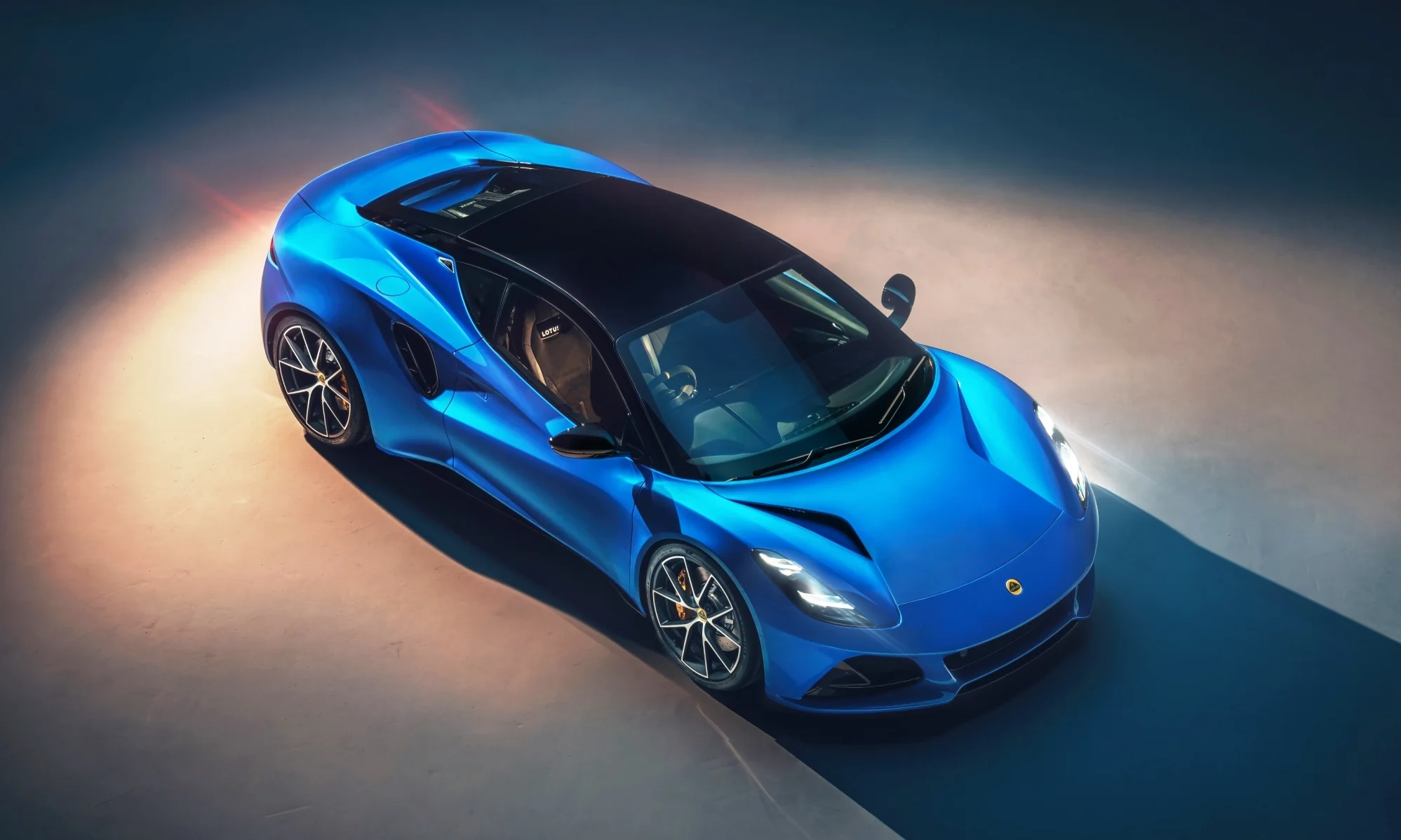
The reported project is internally known as Type 135 and is said to arrive in 2028. If the details hold, it will be the first Lotus fitted with a V8 in 24 years, which is a meaningful statement from a company that once made its reputation by extracting drama from small engines and light bodies rather than brute force. The new car is expected to use a V8 paired with hybrid assistance, with the total output pushing beyond 1 000 hp(746 kw).
That figure places it in the company of the most extreme road cars on sale, not the sort of machine Lotus has traditionally chased. Yet the logic is easy to follow. Electric torque fills the gap off the line, the combustion engine brings the theatre, and the hybrid system gives Lotus a way to chase emissions targets without turning its flagship into a silent science project. Word is that the engine may come from Mercedes AMG, most likely the 4,0 litre twin-turbo V8 that already has a proven following in high performance circles.
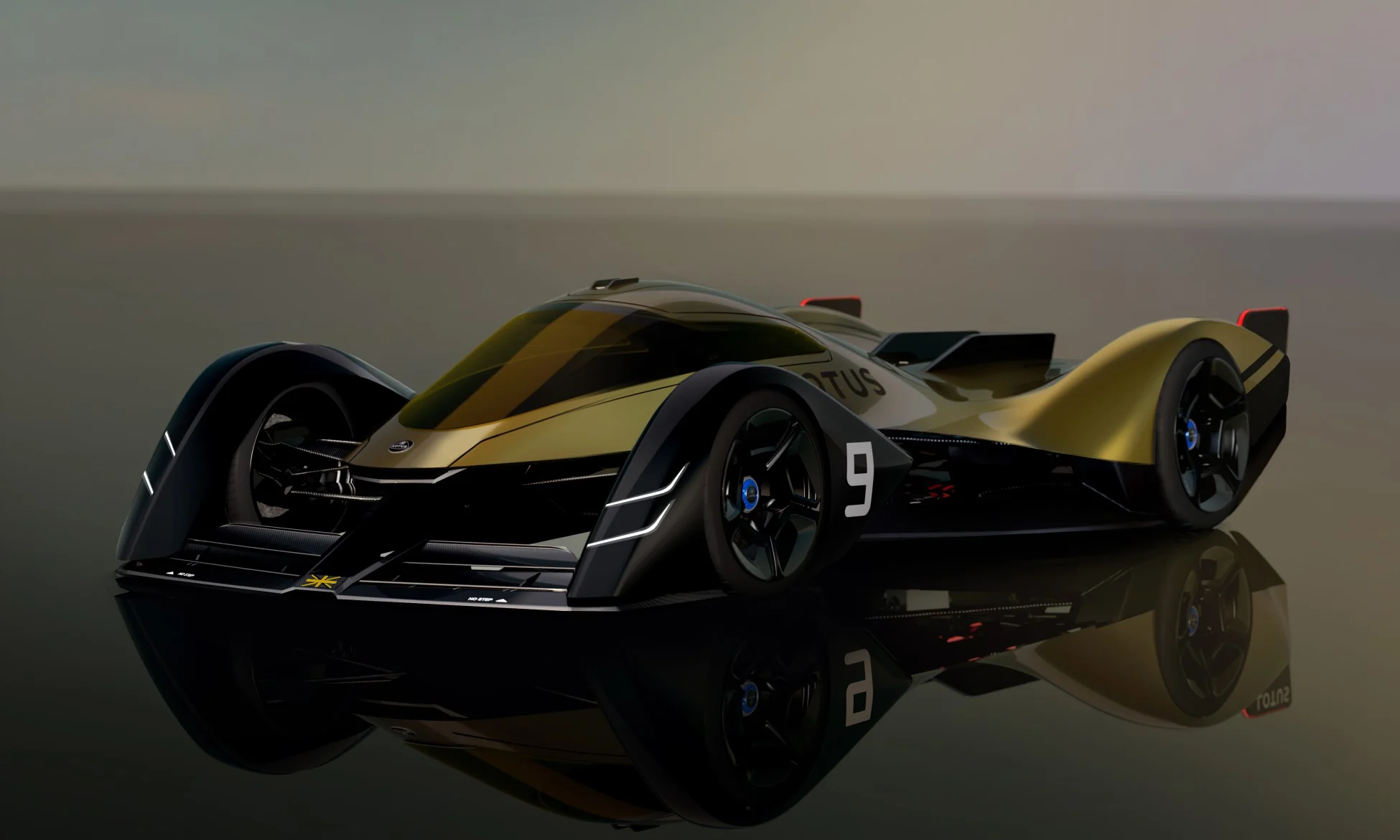
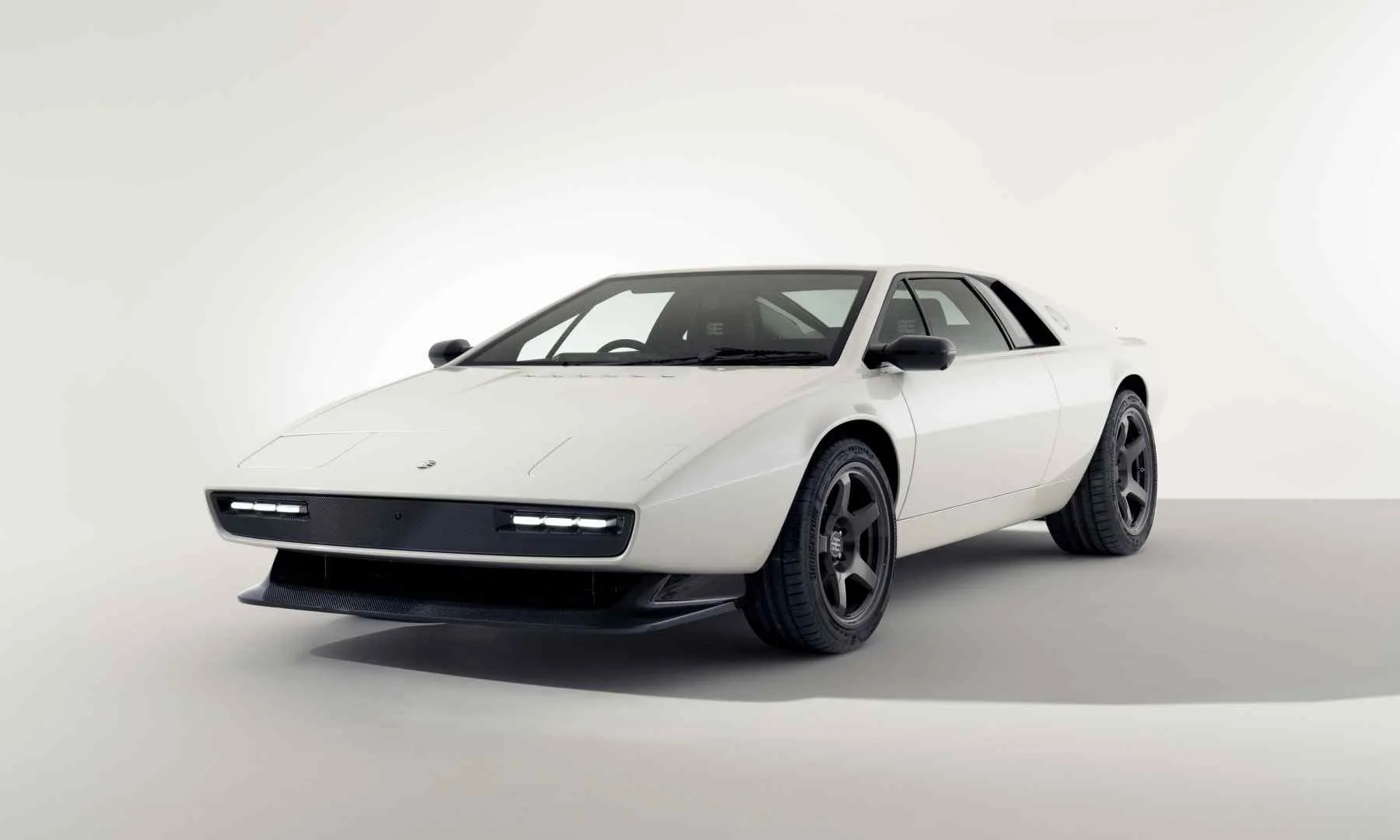
There is also a design thread here. Reports point to inspiration from the Theory 1 concept shown in 2024, mixed with Esprit cues. That makes sense. Lotus knows the Esprit name still carries weight, just as it knows the emotional pull of a proper rear wing, a low roofline and visible exhaust outlets. This is not a company trying to erase its past. It is trying to package it in a form that can survive the next decade.
Why Lotus is changing direction
The headline shift is strategic. Lotus had been steering toward a fully electric future by 2028, but this new supercar suggests a wider multi path plan, one that keeps internal combustion, hybrids and EVs all in play. That tells you the full EV path is no longer viewed as the only answer for every segment.
The economics are part of the story. Building a bespoke EV platform for an ultra low volume supercar is expensive in the way only halo projects can be expensive, with huge engineering spend chasing a car that will never be made in meaningful numbers. For a brand like Lotus, that is a risky place to over commit. A hybrid architecture lets the company reuse proven combustion hardware, trim development risk and still deliver the kind of performance numbers that belong in a poster car.
There is also the simple fact that people still want engine character. A fast EV can overwhelm you with thrust, but it cannot yet match the layered experience of a big combustion engine working in concert with electric assistance. A V8 still means a note you can hear through the steering wheel and a rhythm you can feel in the car’s structure. In a market where premium buyers expect spectacle as much as speed, that matters.
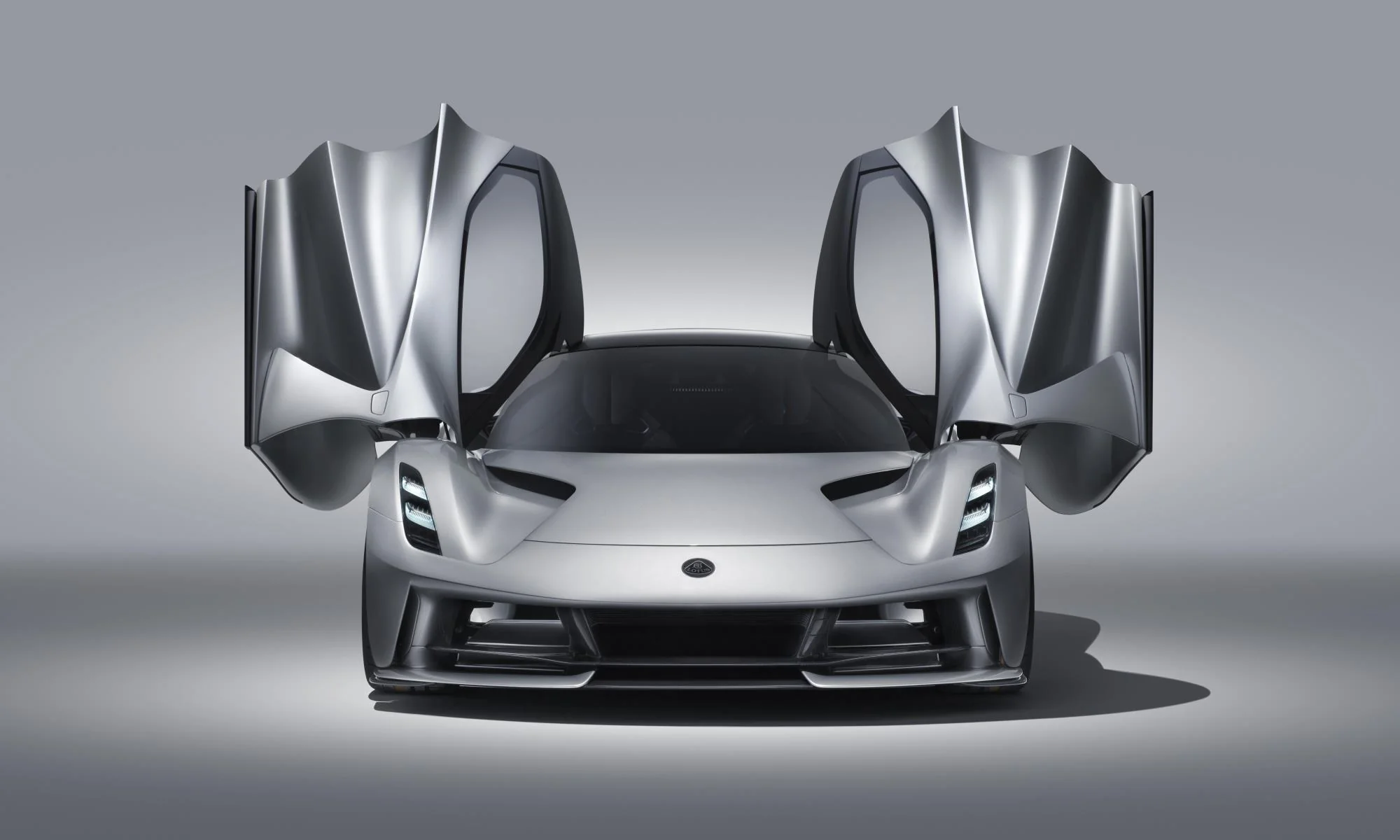
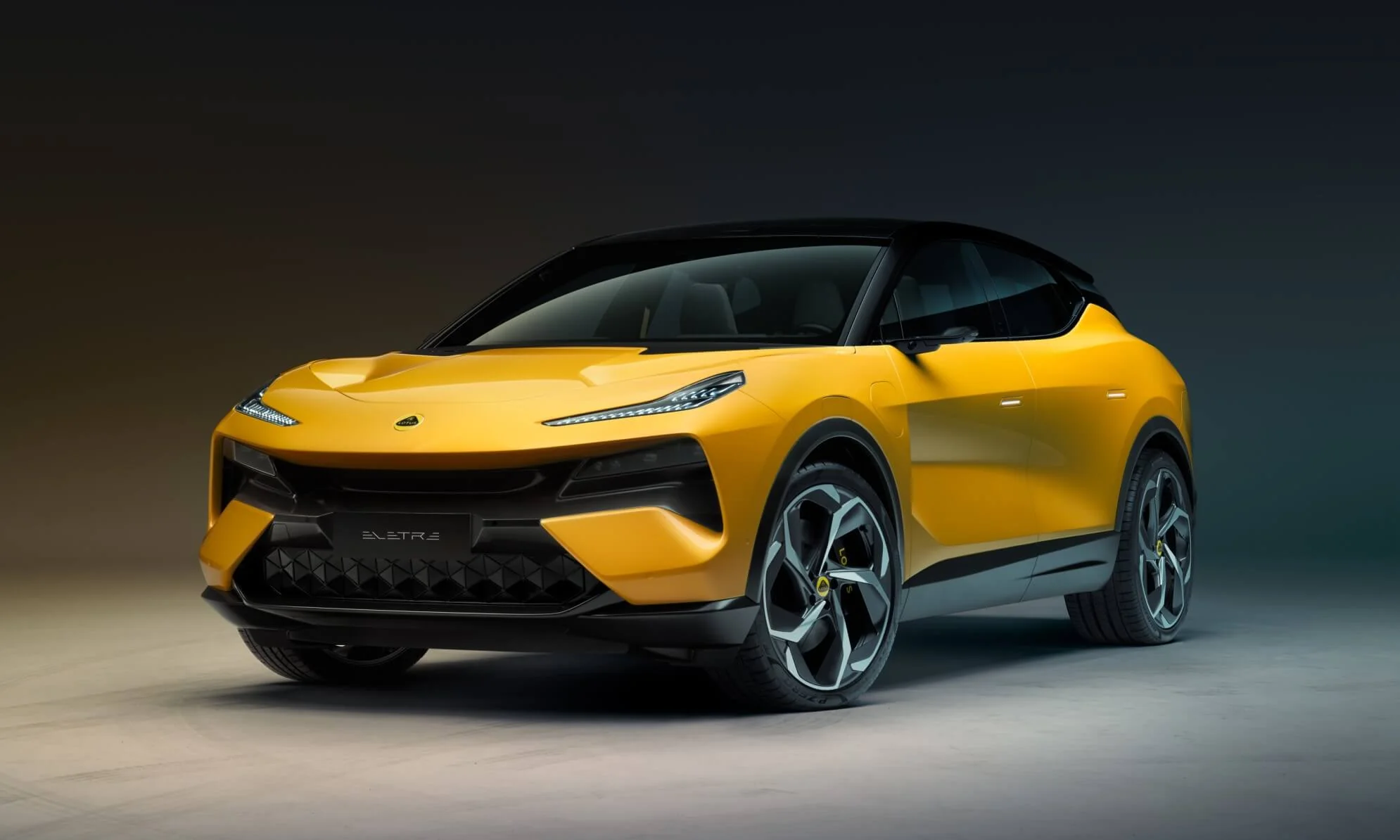
Lotus has not abandoned electrification. The Evija remains the electric halo, and the Eletre SUV sits firmly in the battery powered camp. What changes here is the recognition that those cars do not have to define every future Lotus. The brand can now build an EV showcase for one audience and a hybrid supercar for another, without pretending that both customers want the same thing.
What this means for Lotus
This is where the bigger brand picture comes into focus. Lotus has always sold itself on driver involvement, lightness and agility. Over the years that message survived every change in ownership and strategy because it was rooted in the way the cars behaved, not just in the badge. A 1 000 hp hybrid supercar could easily look like a betrayal of that philosophy if it became a numbers exercise. But if Lotus keeps the mass under control and lets the chassis do the talking, the car could strengthen the brand rather than dilute it.
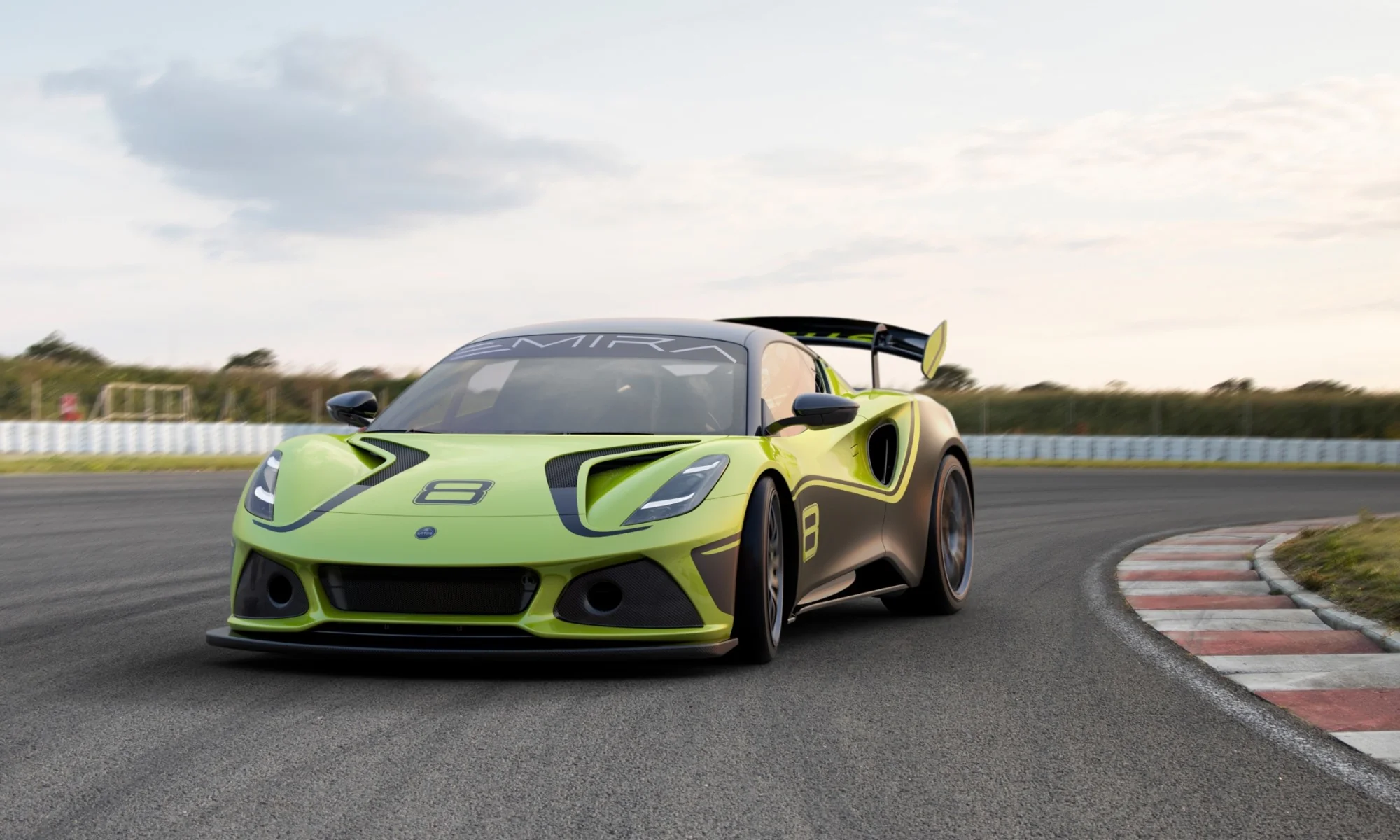
The likely challenge is balance. Too much weight and the car becomes another fast object. Too much digital intervention and it loses the rawness that Lotus loyalists expect. Get the formula right, though, and the result is a halo car that can sit above the Emira, support the electric line up and remind the market that Lotus still knows how to build something urgent, tactile and desirable.
It also signals a broader industry reality. For all the noise around full electrification, the highest end of the performance market remains awkward territory for pure battery power. Hybrid systems are proving to be the practical bridge, especially where volume is low and customer expectations are high. Lotus appears to be reading that room correctly. In the process, it is giving itself more room to play across the spectrum, from the silent punch of an EV to the hard edged character of a V8 with electric backup.
For enthusiasts, that is the more interesting path. It keeps the door open to future Lotus cars that still have mechanical charm, while allowing the company to keep pushing into new territory. If the Type 135 arrives as described, it will not just be another fast Lotus. It will be the clearest sign yet that Hethel has stopped treating electrification as a single destination and started treating it as a set of tools.
Have your say
Got thoughts on this?
No feedback yet on Lotus 1000hp V8 Hybrid Supercar Signals EV Strategy Shift. Kick the conversation off.
Free. Email link only — no password.