



On the showroom floor and in the export ledgers, South Africa’s car business moved in two directions at once during 2025. Local buyers came back in force as financing eased and choice widened, while ports and plant gates kept feeding foreign markets at record pace. The result was a year that looked hectic from every angle, with Chinese brands pushing into the streets, long established exporters holding the line, and the industry’s weight in the economy becoming harder to ignore.
The numbers in the Automotive Business Council’s 20th annual Automotive Trade Manual, published for 2026 and presented by Dr Pauline Mamagobo and Dr Norman Lamprecht, capture that tension clearly. First released in 2007, the manual remains the official reference for South African automotive trade under the APDP and APDP2 frameworks. It shows a market under pressure from imports, yet still expanding in sales, production and export earnings.
Export led growth stayed intact
South Africa’s vehicle business posted export earnings of R291 billion in 2025, up from R268.8 billion in 2024. That made automotive one of the country’s largest export earners, worth 15.6% of total national exports. Vehicle shipments themselves reached 414,271 units, a new high and a clean step up from 391,128 units the year before. Their value climbed to R229.8 billion.
The export map remains heavily tilted towards Europe. The European Union and the United Kingdom took R182.8 billion of automotive exports in 2025, which amounts to 62.8% of total export value. More than four in five exported vehicles went to that region. Africa was next at R49.5 billion, equal to 17% of total exports, with most of that trade flowing into SADC member states. Germany stayed the biggest single vehicle destination, followed by the UK, France, Belgium and Italy.
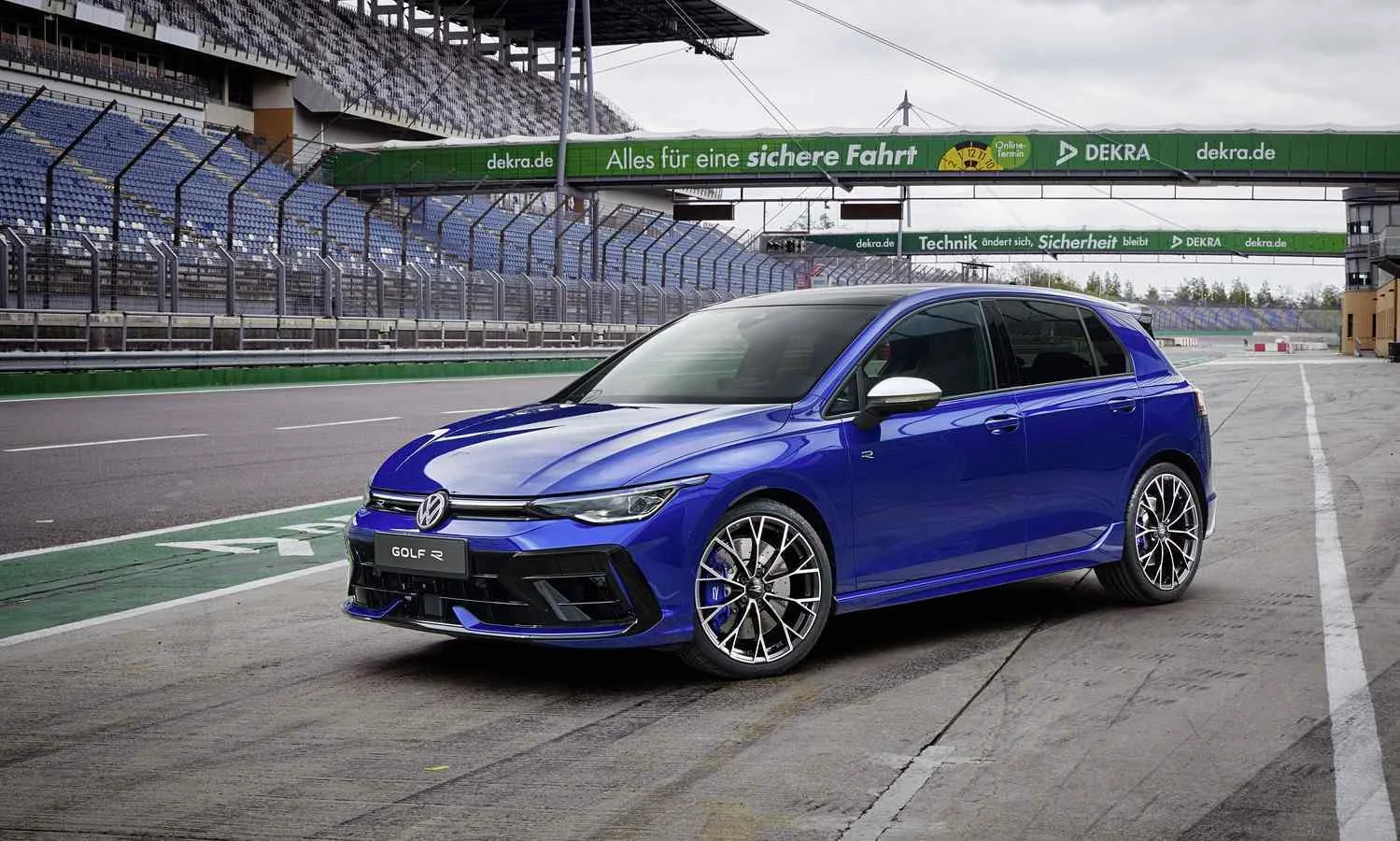
For the sixth year running, the Volkswagen Polo was South Africa’s most exported model. That matters because it sums up the local industry better than any policy speech. The same cars that roll out of local assembly plants and into European dealer networks still anchor the country’s production story.
The broader sector also held its place in the economy. Under APDP2, automotive accounted for 15.3% of South Africa’s total trade GDP. Across the full industry, the contribution to national GDP reached 5.2% in 2025, split between 3.3% from manufacturing and 1.9% from retail.
Chinese brands changed the local showroom picture
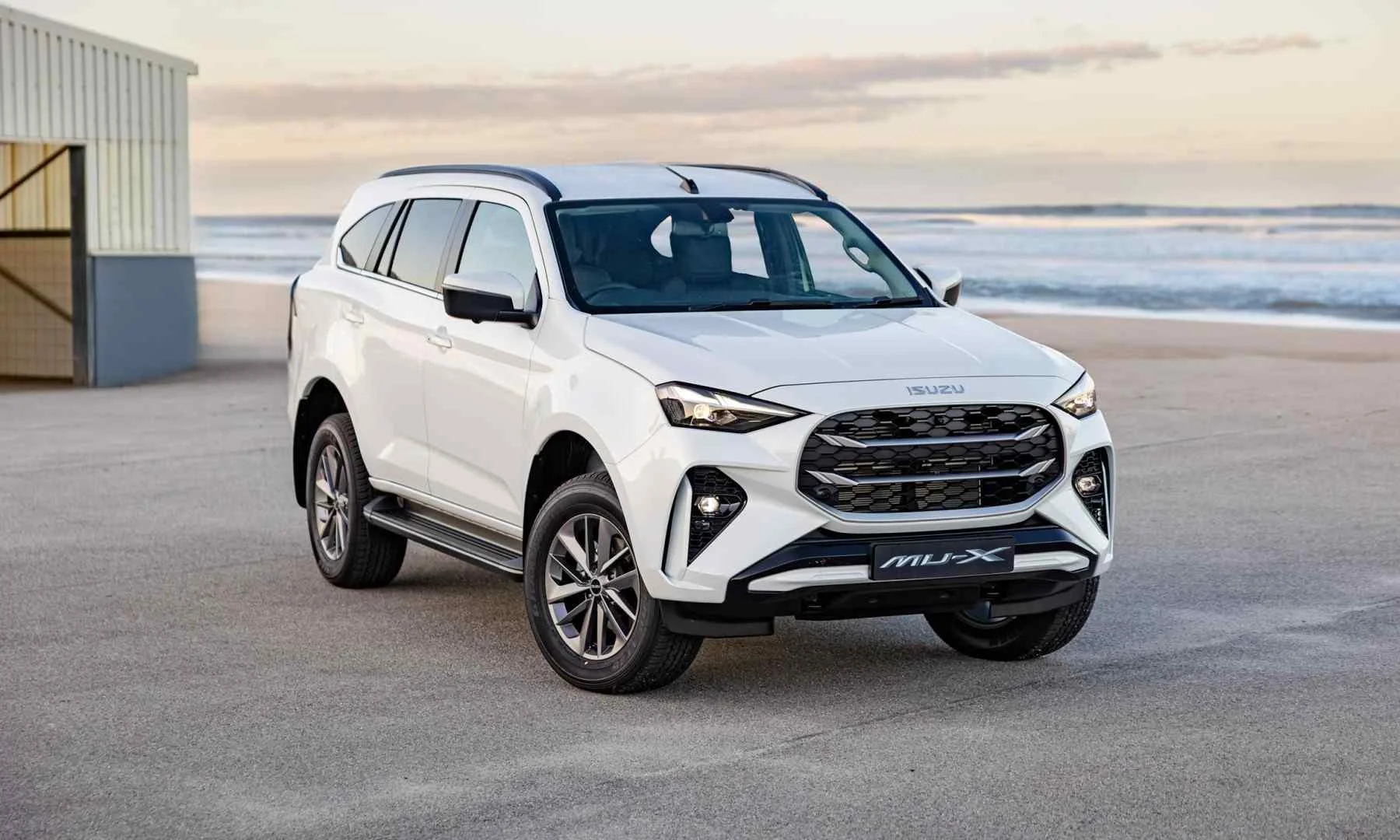
The sharpest change in the domestic market came from China. In 2025, South Africa had 15 Chinese vehicle brands in operation, up from eight in 2024. That is not a gradual market adjustment, it is a flood of new nameplates, dealer networks and product strategies landing almost at once.
Naamsa says the appeal is straightforward. Chinese brands have gained ground by pairing aggressive pricing with modern technology and long warranties, and local buyers responded. The local passenger car market now lists 56 brands with 1,995 derivatives. Light commercials add another 30 brands and 665 derivatives. That is a crowded field even before you factor in the pressure from India, Korea, Japan and Europe.
China also moved up the import rankings.
Vehicles imported from China reached 91,326 units in 2025, giving the country a 23.3% share of South Africa’s light vehicle imports, compared with 17.1% in 2024. India stayed the biggest source by volume at 219,796 units, or 56.2% of total imports, with much of that flow made up of entry level and small cars aimed squarely at affordability conscious buyers.
The Volkswagen Polo Vivo remained the only locally built model in the small and entry level passenger car fight. That fact says plenty about the pressure on domestic production. South African buyers want accessible price points, and the importers are serving that demand faster than local manufacturing can reshuffle its portfolio.
Sales and production recovered strongly
The home market bounced back properly in 2025. Total new vehicle sales rose 15.7% to 597,338 units, up from 516,103 in 2024. Lower interest rates helped. So did record low vehicle price inflation. So did a wider model line up, which gave buyers more ways to spend their money without moving up a segment.
Production also improved. South Africa built 618,077 vehicles in 2025, a year on year gain of 2.9%. That was enough to keep the country ranked as the world’s 21st largest vehicle producer, even though its share of global output edged down to 0.64%. The global picture was bigger still, with worldwide vehicle production rising 3.9% to 96.4 million units. China remained the giant at 34.5 million vehicles, ahead of the United States, Japan and India.
South Africa still owns African production. It accounted for 50.3% of the continent’s vehicle output and 46.5% of Africa’s vehicle sales in 2025. That is a real industrial footprint, not a symbolic one.
New energy vehicles also moved forward, though not at last year’s pace.
NEV sales climbed 7.1% to 16,716 units, but their share of total sales slipped to 2.8% from 3% in 2024. The manual points to a useful future for local parts makers as electrification spreads. High value components that could be localised include fuel cells, thermal management systems, e axles, battery mineral beneficiation and battery assembly.
Imports stayed heavy and the surplus stayed positive
Imported vehicles and parts still dominate the supply chain. Light vehicle imports rose 28.6% to 391,287 units in 2025. Imported vehicles made up 69.1% of total light vehicle sales, up from 62.7% in 2024. Passenger car imports accounted for 82.8% of all passenger car sales.
The parts side tells the same story. Imports of original equipment components used by local manufacturers rose to R151 billion, while replacement parts imports reached R107.5 billion. Even with that dependence, South Africa preserved a positive automotive trade balance. The APDP2 surplus was R35.3 billion in 2025, down from R42.8 billion in 2024, but still in the black.
The next stage will depend on how quickly the industry adapts. Naamsa is blunt about the requirements, stronger localisation, better infrastructure and logistics, effective NEV adaptation and steady policy support. AfCFTA adds another layer of opportunity, with new automotive rules of origin adopted from February 2026 expected to open more export routes across the continent. For a sector that already punches above its weight in Mzansi, the next fight is about keeping that weight in the country while finding more places to sell the product.
Have your say
Got thoughts on this?
No feedback yet on Chinese Brands Reshape South Africa’s Car Market. Kick the conversation off.
Free. Email link only — no password.