



The first thing you notice at a South African fuel pump is not geopolitics. It is the number that keeps climbing while the tank fills, and the quiet arithmetic that starts before you have even left the forecourt. A diesel double cab, a tuned hatch on 95, an overland rig with jerry cans on the roof, a truck moving parts between Gauteng and the coast, all of them now sit under the same hard reality. Fuel has stopped behaving like a background cost and started behaving like a daily shock.
That shock did not begin at a refinery gate in Durban or Cape Town. It began in a narrow strip of water between Iran and Oman, where the Strait of Hormuz has moved from a long discussed risk to an active choke point in 2026. Once commercial shipping lost its insurance cover and tanker traffic dried up, the global oil market took the hit immediately. South Africa took it a little later, but no less brutally.
South Africa was already exposed
South Africa still brings in roughly 13 billion litres of crude oil a year, but crude is no longer the main story. In 2023, the country imported about 19 billion litres of finished petroleum products, which means the vulnerability sits in refined fuel, not just feedstock. Diesel dominates that basket at 67 percent, with petrol at 23 percent, then LPG, jet fuel and paraffin making up the rest.
Our own refining base has been hollowed out. By May 2026, only three major facilities were still operating, Astron Energy in Cape Town, Sasol’s Natref, and Sasol’s Secunda coal to liquids plant. Sapref has been offline since 2022. Engen’s refinery was shut in 2020. The country is not sitting on a resilient buffer and waiting for trouble to pass. The buffer has already been burned away.
The crude that does still feed remaining local plants comes mostly from Africa, especially Nigeria, which accounts for about 29 percent of crude imports. Saudi Arabia follows at 24 percent, the United States at 8 percent, Angola at 7 percent, and Algeria at 4 percent. That means the crude side of the equation still has some West African ballast. The refined fuel side does not. That is where the Strait bites hardest.
The Gulf now reaches our pumps
Recent 2026 trade data shows about 60 percent of South Africa’s diesel imports transit the Strait of Hormuz. Diesel is the pressure point in the entire economy. It runs mining, long haul trucking, farm machinery, generators and a large slice of the logistics chain that keeps ordinary life moving. When diesel tightens, the pain spreads far faster than it does at the pump.
The latest supplier mix underlines the problem. For diesel, Oman has been around 34 percent and India 20 percent. For petrol, the United Arab Emirates has supplied roughly 35 percent and India 24 percent. Earlier trade patterns also showed the UAE, Oman, Bahrain and Saudi Arabia as major sources of diesel, with petrol cargoes moving from the UAE, Oman, Italy, Turkey and Singapore. Several of those Gulf suppliers now depend on the same maritime corridor that has effectively gone dark.
Brent crude has already moved past $120 a barrel in the 2026 shock. Petrol in South Africa has jumped by more than R3 per litre in April and another R3.27 in May. Diesel has been hit even harder, climbing by about R7.37 to R7.51 in April and then another R6.19 in May. That is not normal volatility. That is structural pain arriving in instalments.
The forecourt is only the start
Anyone who owns a performance car, a bakkie, a daily driver with a thirsty turbo motor, or a track weapon on slicks knows the first cut is the easiest to measure. The second order effects are where the real damage lives. Service stations have already reported tight supply and intermittent stock-outs. Premium unleaded and 50ppm diesel are the first grades to disappear when the chain starts to strain. If you have ever arrived at a forecourt in the wrong part of town with a plan to fill up before a long trip, you know how quickly a dry site can ruin a weekend.
Emergency imports from the United States are now part of the picture. Those cargoes have to travel farther, cost more to insure, and land into a logistics system that was already under pressure. The result is higher delivered cost at every stage. Imported tyres, filters, brake pads, synthetic oil and specialist parts all move on the same freight web. When that web gets expensive, the bill reaches everyone who keeps a car on the road, not just the people driving on the road.
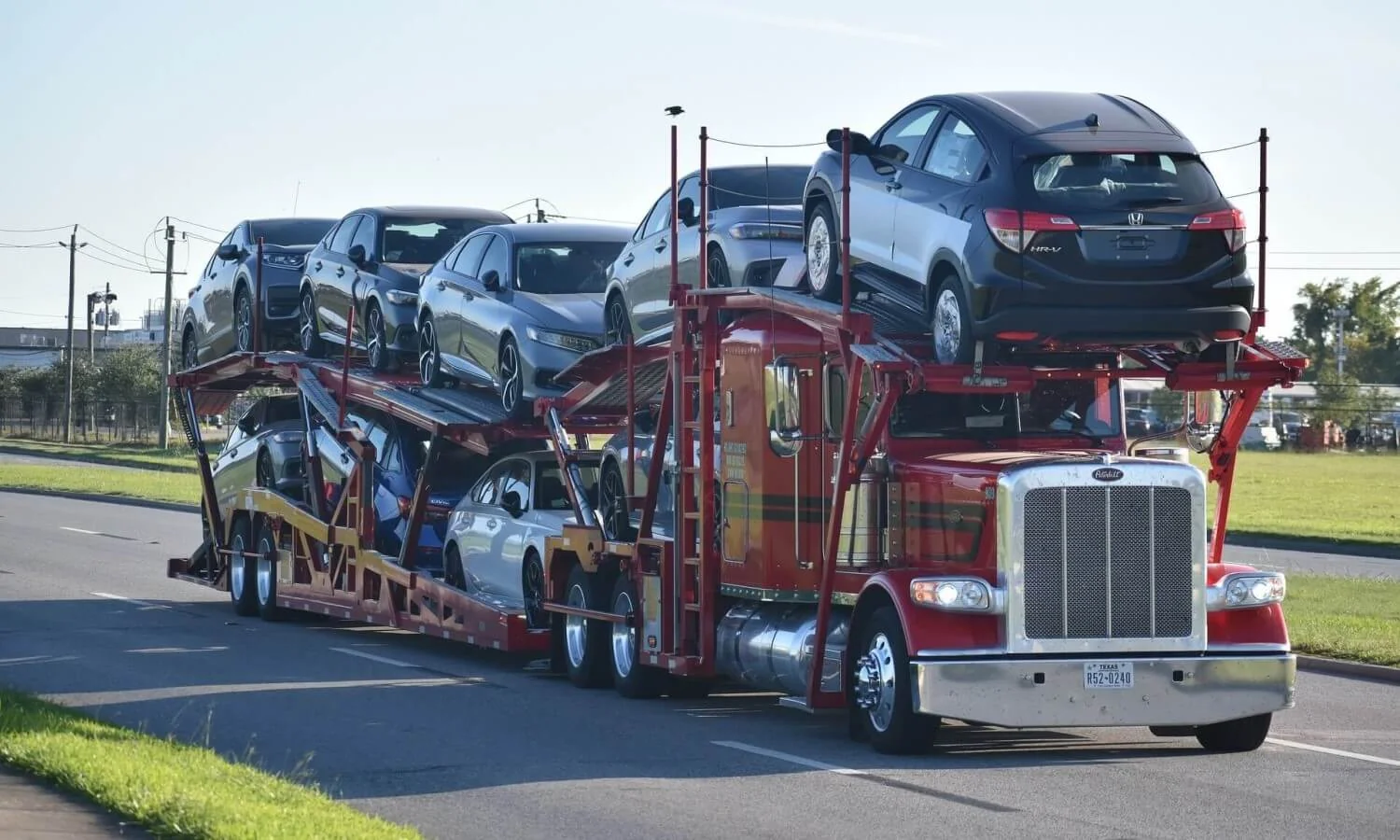
The motorsport crowd is not insulated either. Hauling cars to events, moving spares, towing trailers and flatbedding project cars across provinces suddenly costs more in a way that is impossible to ignore. Kyalami weekends, track days and club racing all become slightly more expensive, then noticeably more expensive, then hard to justify for people whose hobby already asks for commitment.
Politics has joined the fuel queue
South Africa has managed to make a fuel emergency more awkward by folding it into foreign policy. The ANC’s long relationship with Iran is now colliding with the Government of National Unity, where the Democratic Alliance has been openly hostile to the ANC’s stance. President Cyril Ramaphosa and the ANC condemned US and Israeli action after the escalation that followed the reported death of Ayatollah Ali Khamenei earlier in 2026, while citing Article 51 of the UN Charter and rejecting the idea of anticipatory self defence. The DA called Iran a rogue state and accused the ANC of selective moral outrage.
That fight is not abstract when the same conflict affects the ship lanes feeding local diesel tanks. South Africa is effectively aligned, at least politically, with one side of a dispute that has already changed the price of transport fuel here. BRICS has turned into a messy side stage as well, with Iran and the UAE both inside the bloc and the May 2026 foreign ministers meeting in India dragged into the oil crisis. The table is crowded, the incentives are split, and the fuel bill keeps landing in rand.
Reserves and reality
By law, South Africa should hold 60 days of transport fuel. In practice, nobody outside government seems convinced that the stock exists in the form the law imagines. Gwede Mantashe tried to calm nerves in March 2026, but repeated questions about the reserve have not produced a straight answer. If imports slow further, a theoretical reserve becomes a political talking point rather than an energy cushion.
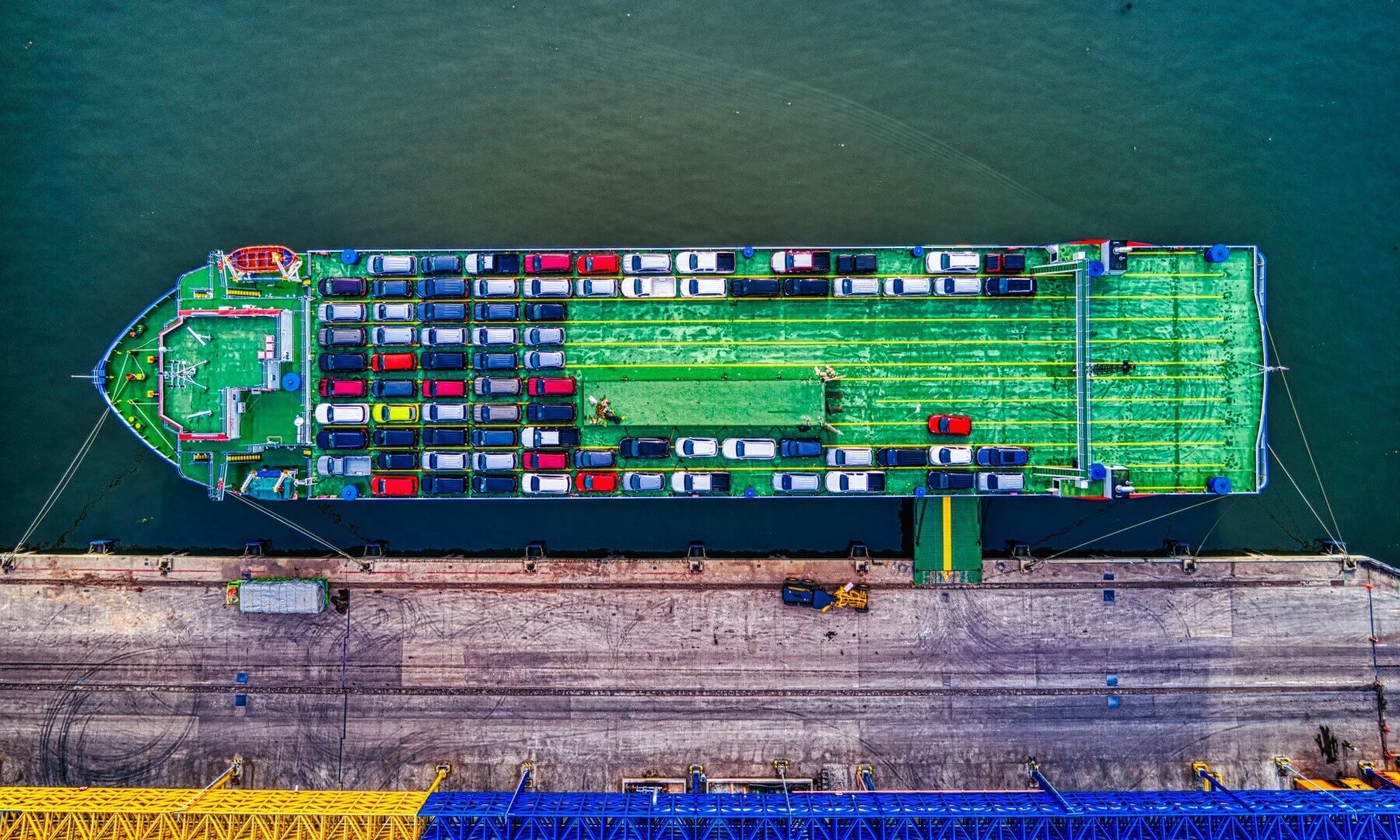
The Cape of Good Hope adds another layer of strain. With the Strait closed and the Red Sea still compromised, shipping is being pushed around southern Africa. More vessels off our coast sounds like a windfall until you remember how congested Durban and Cape Town already are. Delays, backlogs and higher insurance premiums are now part of the price of every imported litre.

South Africa keeps talking about restarting Sapref as a buffer. Sasol, meanwhile, faces the familiar trap of needing billions of rand for expansion while environmental pressure and carbon targets make long term investment harder. The country wants cleaner politics, cheaper fuel, reliable logistics and industrial resilience at the same time. The Strait of Hormuz has stripped away the luxury of pretending those goals can be separated.
Where We Are Now
South African motorists are heading into June with a far more stable fuel outlook than expected just a week ago. Petrol prices are still set to rise, but the increases now look relatively modest compared to earlier projections, while diesel users could finally get meaningful relief at the pumps.
Fresh data from the Central Energy Fund shows petrol recoveries have improved sharply after weeks of volatility linked to global oil market disruptions. Current estimates point to petrol increasing by roughly 13c per litre for 93 unleaded and 19c for 95 unleaded. That is a dramatic turnaround from previous forecasts that suggested increases closer to 90c per litre.
Diesel tells a completely different story. Wholesale diesel prices are currently tracking for cuts of between R3.52 and R4.41 per litre, offering much-needed breathing room for logistics operators, farmers and businesses heavily dependent on transport costs.
Global oil markets remain fragile, however. Ongoing instability in the Middle East, including continued disruption around the Strait of Hormuz, drone attacks in the Gulf region and stalled negotiations between the United States and Iran, are still placing pressure on supply chains. Oil prices remain elevated at around $107 per barrel, although that is still more stable than the panic spike to roughly $120 seen earlier in the conflict.
At the same time, the International Energy Agency has warned that global oil inventories are being depleted at an unusually fast rate, with supply expected to remain tight for months even if geopolitical tensions ease.
One of the few stabilising factors for South Africa has been the rand. Despite global uncertainty, the currency has remained relatively firm against the US dollar, trading around R16.71 and avoiding the kind of collapse that would have pushed local fuel prices even higher.
There is, however, a catch. Government tax relief introduced earlier this year is now being partially reversed. Treasury had temporarily reduced the General Fuel Levy by R3 per litre to shield consumers from soaring oil prices. From June, half of that relief will be removed, with the remaining portion returning in July.
That means motorists will effectively see an additional R1.50 per litre added back onto petrol prices next month, while diesel will absorb a R1.97 levy increase. Once those taxes are factored in, the real-world increase for petrol is expected to sit closer to R1.63 to R1.69 per litre, depending on the grade.
Diesel should still come down overall, but the reductions will be significantly smaller than the raw recovery figures initially suggested. Instead of a drop above R4 per litre, the final diesel cut may land closer to between R1.55 and R2.44 per litre after the levy adjustment is applied.









Have your say
Got thoughts on this?
No feedback yet on Petrolheads feel the Strait of Hormuz impact on South African…. Kick the conversation off.
Free. Email link only — no password.