


F1 analyst and racing legend Graham Duxbury takes a closer look at the upcoming 2026 F1 season and how the regulations are providing a great F1 reset.
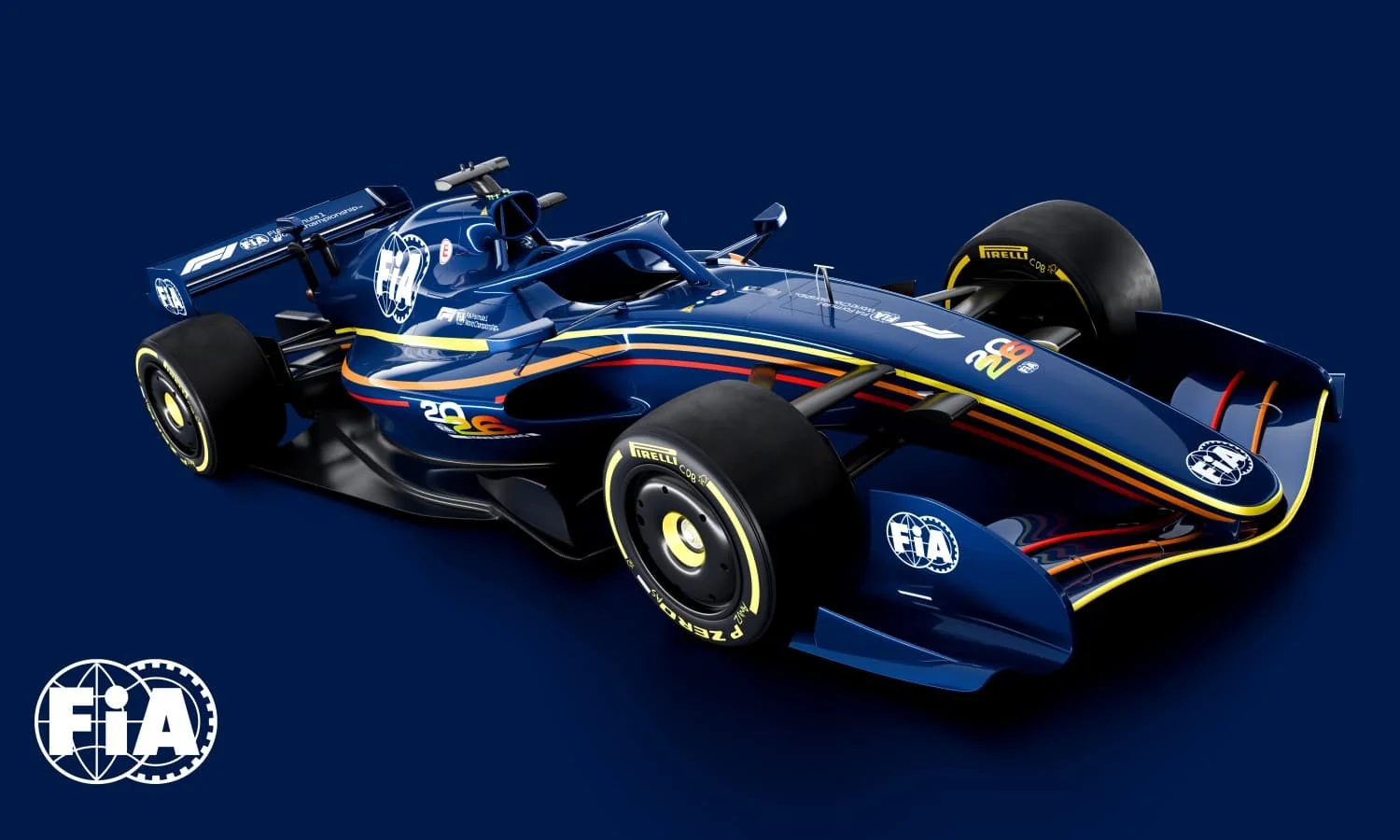
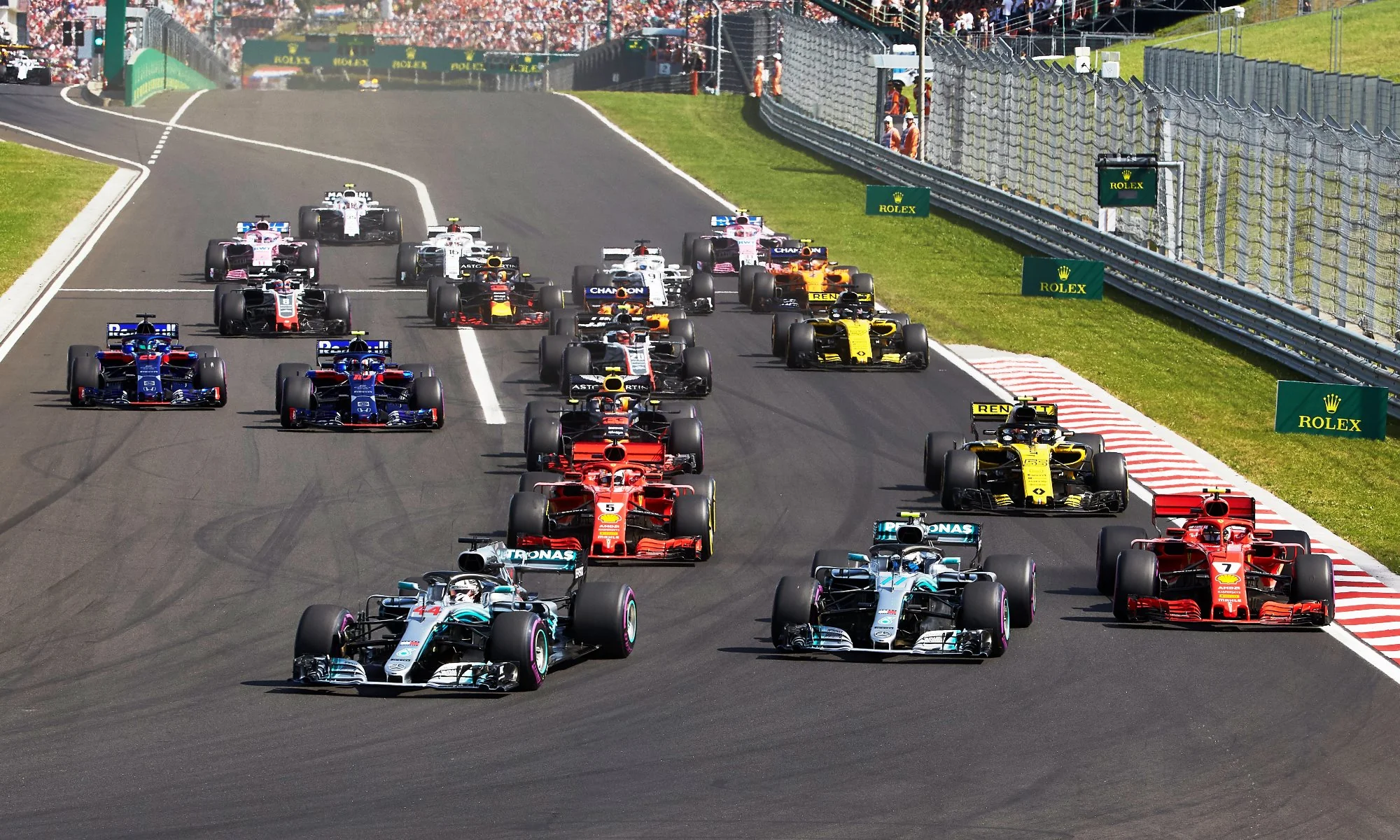
The 2026 Formula One season will see the most comprehensive rules overhaul since the sport’s turbo-hybrid era began in 2014. It will usher in a new generation of cars and power units designed to be lighter, more efficient and far more sustainable.
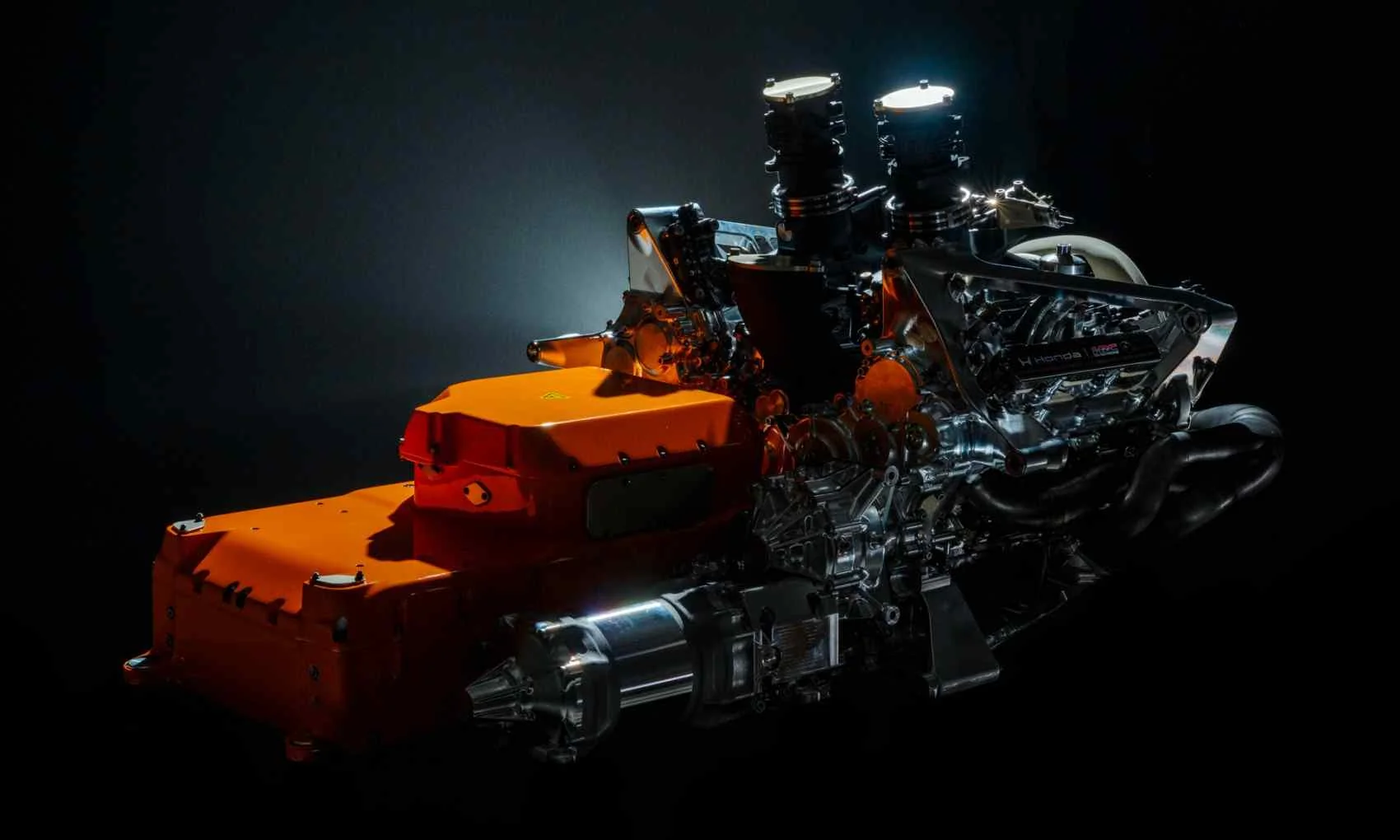
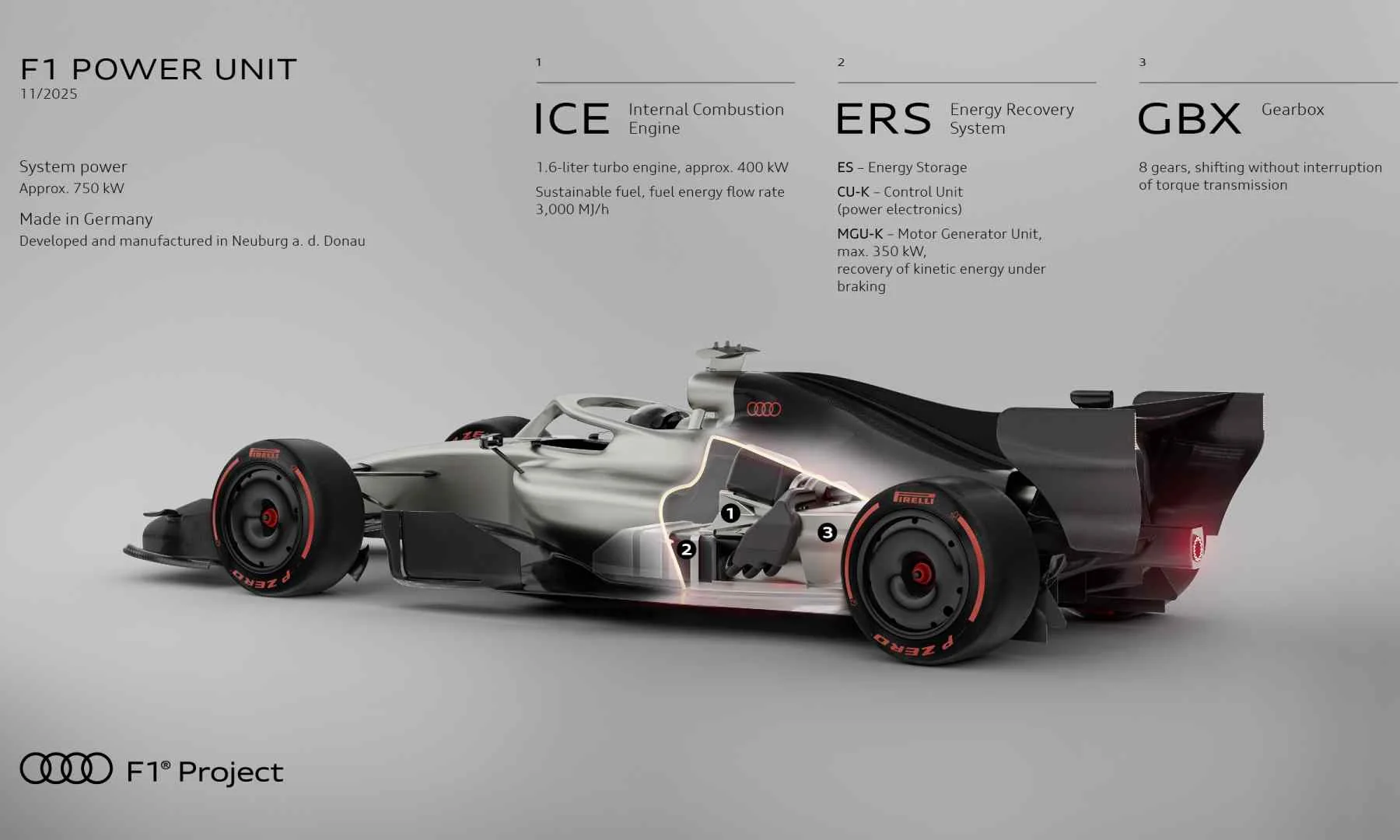
Central to the changes is the shift to a 50/50 power output between the internal combustion engine and the electric power plant (as I explained here). This, paired with fully sustainable fuels, underlines the FIA’s commitment to aligning F1 with the global environmental goals demanded by most current (and potential) F1 engine suppliers.
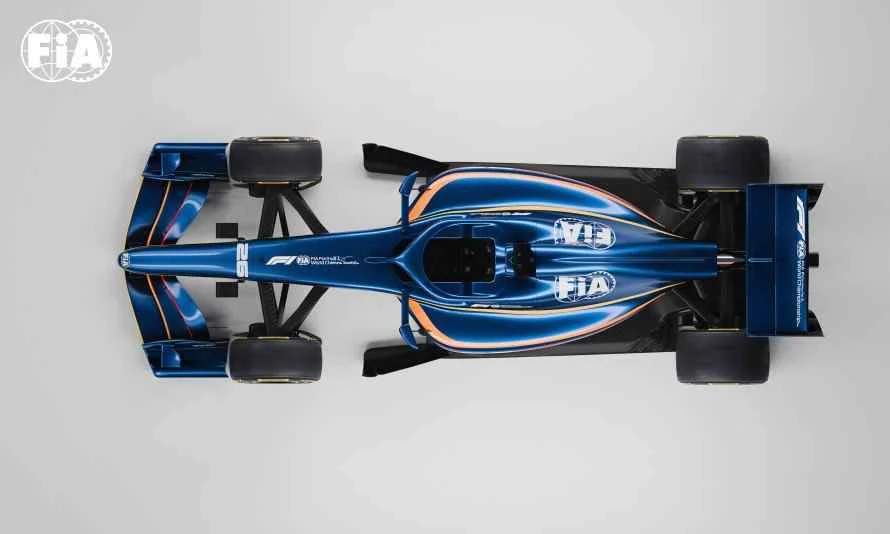
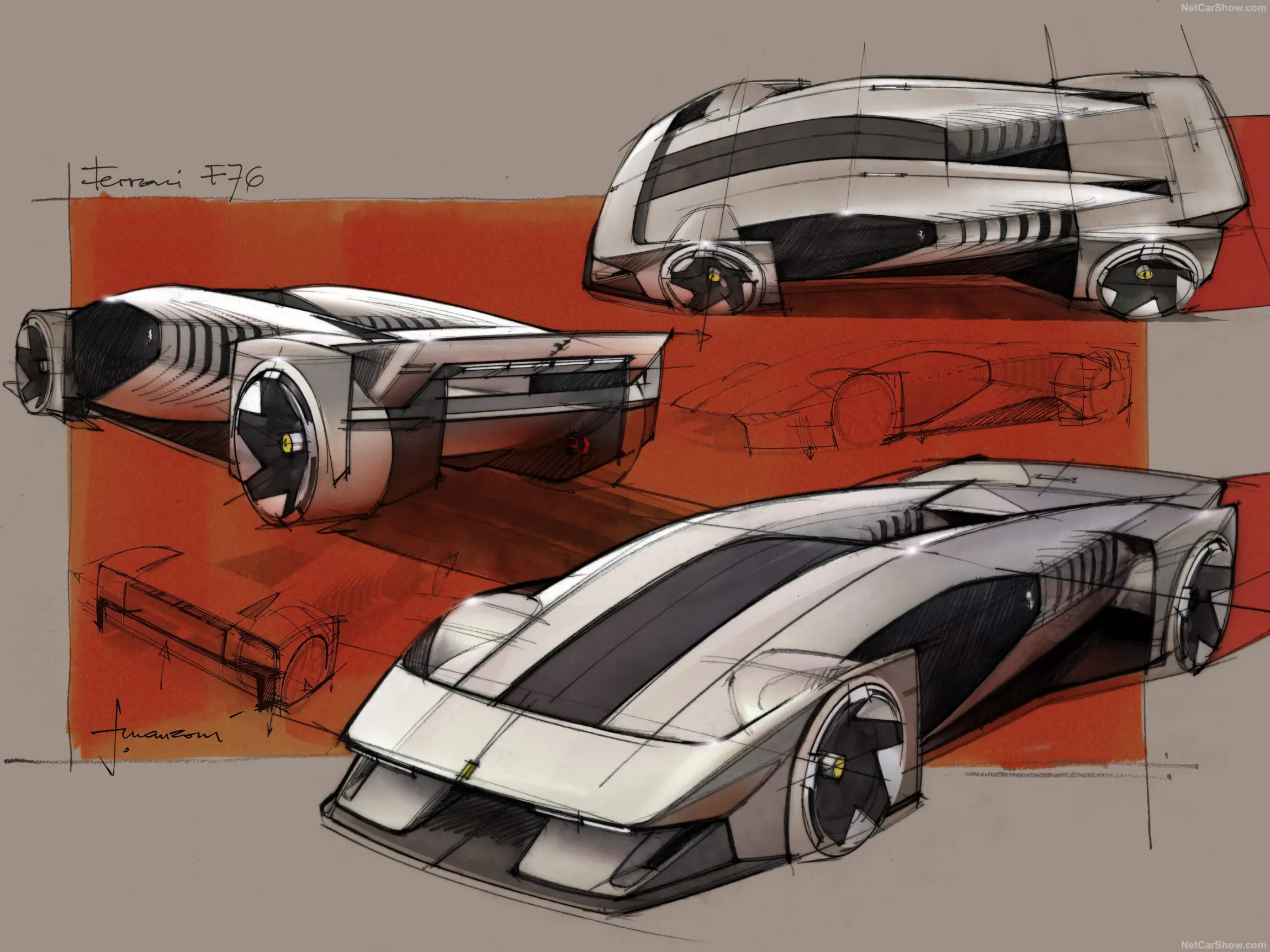
Chassis regulations have been radically rewritten too. The cars will be smaller, narrower and possibly lighter – going from a minimum weight of 800 kilograms to 768 kg as the rules endeavour to reverse years of steady weight gain.
Follow Double Apex on Instagram and Facebook where we share more car content.
New Tech Terms
In 2026, F1 fans will have to get to grips with many new terms including ‘active aero’, ‘overtake’, ‘boost’ and ‘recharge’. In line with moves to reduce the dependence on underbody downforce, active aero has been introduced in the form of movable front and rear wings. The goal is to balance drag reduction on the straights with stability in corners.
In the corners, the wings will be in their default ‘closed’ position for maximum downforce. On the straights and in designated zones drivers will manually ‘open’ the wings to effect a low-drag mode which will increase top speed. The wings will automatically close if a driver brakes or lifts off the throttle. There is an additional auto distance turn-off feature to ensure that drivers can’t try to take corners with the wings open.
Active Aero
For wet conditions, there will be the option for race control to enable a ‘partial aero mode’ with the front wings in straight mode and the rear in corner mode. Many believe active aero’s real intent is to offset speed drop-offs on longer straights when electrical power fades. And it’s also a way to improve fuel economy, seeing that the fuel allocation now drops drastically to just 70 kg per race.

Active aero has negated the drag reduction system (DRS) which has been replaced by an ‘overtake’ button. When drivers are within a second of the car ahead at the designated activation point (nominally the final corner of the lap), they’ll have the ability to gain an extra 0.5 megajoules of energy to deploy anywhere on the following lap. Its use will be most effective on longer straights. A car in overtake mode will be able to use full electrical power up to a mandated 337 km/h compared to the enforced 290 km/h mark of the car being overtaken
Electrical Boost
Not to be confused with the overtake button, drivers also have a ‘boost’ button at their disposal. This controls the regular use of battery power (not turbo power) that has been harvested by the energy recovery system (ERS). This electrical energy can be used by drivers whenever and wherever they wish. Either throughout a lap in small bursts, which will most likely be team-defined, or in a bigger burst to either attack or defend.
Of course, expended electrical energy will have to be recovered. The ‘recharge’ term is fairly self-explanatory. It can be achieved in a number of ways – either under braking or on part-throttle or through ‘engine clipping’ (where limited energy harvesting occurs at the end of a straight even while at full throttle). Or through the classic lift-and-coast method, when a driver lifts off the throttle early in a braking zone. While recharging will mostly be automated through preset energy maps, lift-and-coast effectiveness will have to be weighed against the disabling of active aero.
A New Pecking Order?
This, and many other aspects of the new regulations, will place added emphasis on the drivers’ contribution to optimal energy efficiency. In this light, teams are preparing for a significant increase in driver workload. There are many more systems and decisions to manage in real time – even before factoring in tyre management, race strategy and traffic
Tyre supplier Pirelli also enters a new phase in 2026 with lighter, more durable compounds. These are designed to suit the expected changes in electrical power delivery and altered aerodynamic loads. Tyre construction is also revised for lower rolling resistance and greater thermal stability.
The 2026 season promises a fundamental reset. It begs the question; who will emerge as the next great force in F1’s shifting landscape?



Have your say
Got thoughts on this?
No feedback yet on The Great F1 Reset: A Fundamental Transformation of the Sport. Kick the conversation off.
Free. Email link only — no password.