


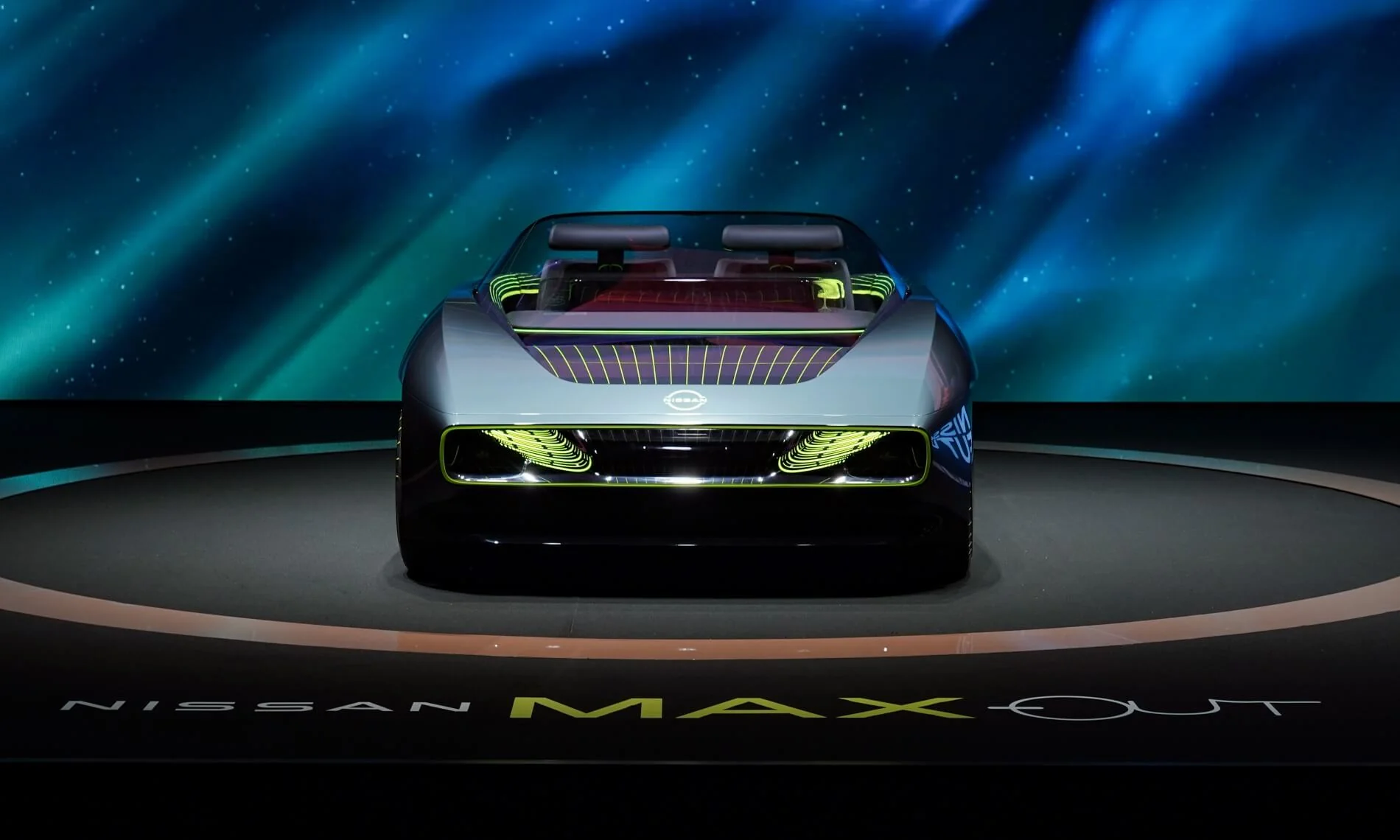
Fresh comments from Nissan nerds have made it clear that the long-awaited R36 will not go fully electric. It will, however, be electrified in some form. In plain English, that means hybrid. And given where emissions rules now sit in major markets, that was always the most realistic outcome.
That will disappoint the portion of the internet that wants every halo car dragged into the battery era immediately. Everyone else should be relieved. The GT-R has never been about chasing trends. It has always been about devastating real-world pace, brutal point-to-point ability and a kind of engineering ruthlessness that made more expensive machinery look faintly silly. A full EV setup, at least with current battery tech, would compromise too much of what makes a GT-R a GT-R.
Nissan’s view appears fairly straightforward. Electric sports cars are still struggling to win over proper enthusiasts, and present-day battery chemistry is not yet good enough to deliver the sort of performance envelope expected of a GT-R. That matters. This is not some warm hatch with a nostalgic badge. This is a car that has built its reputation on repeatable performance, serious speed and the ability to absorb punishment without going soft.
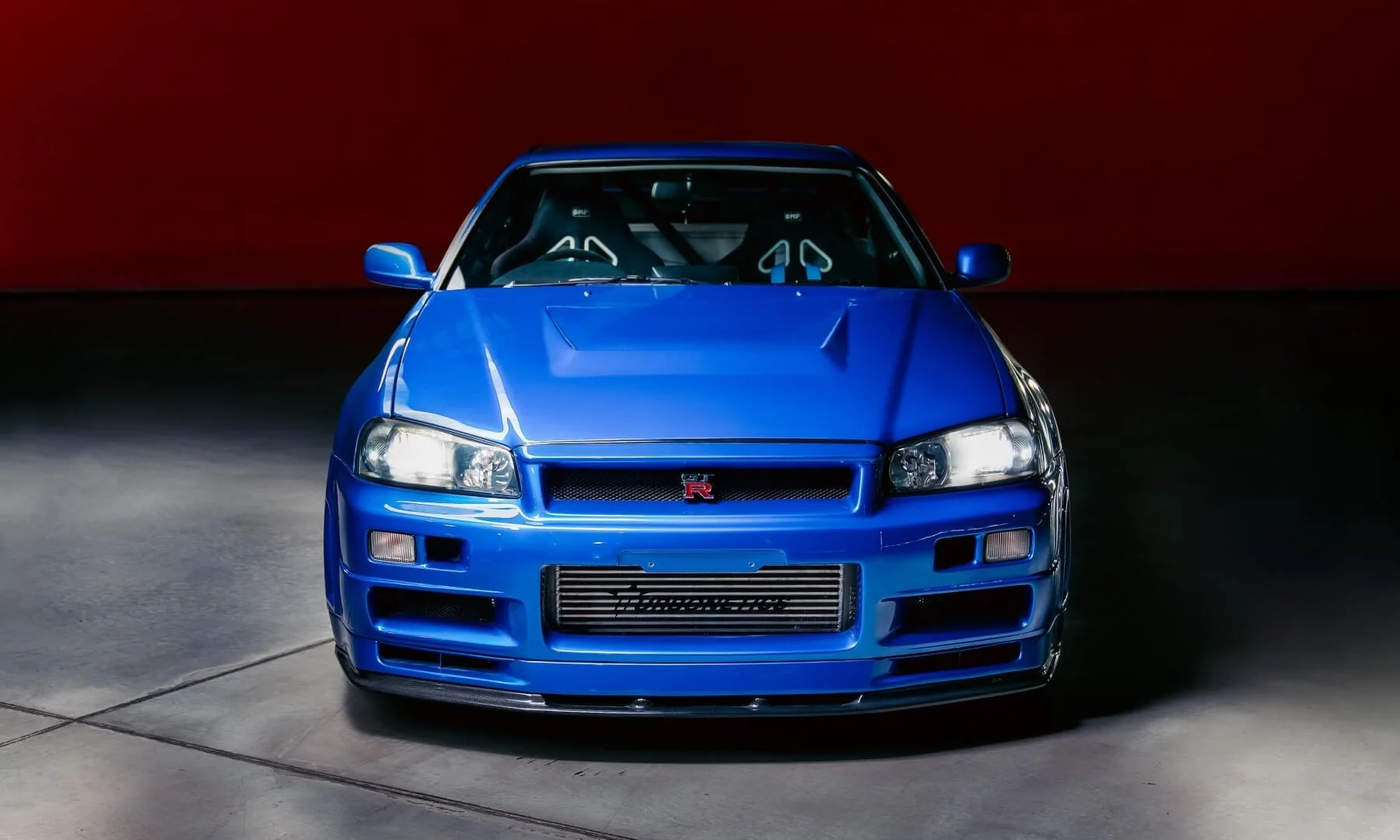
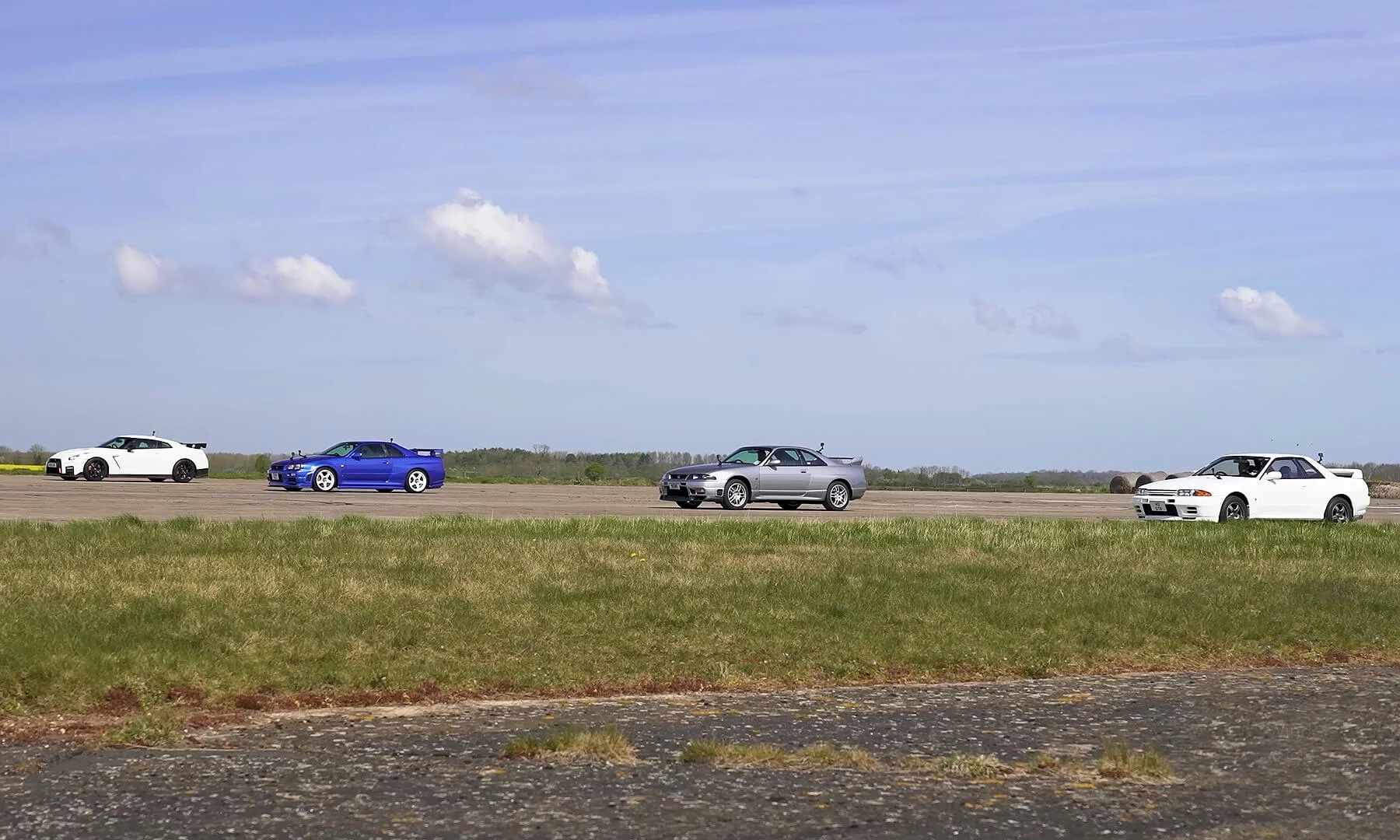
That distinction matters in that the GT-R has always had a strong local following, not because it was fashionable, but because it was respected. It earned that. Here, it became known as a car that could humble exotica, survive tuning culture and still feel like a machine built with intent rather than theatre. An electric replacement would have looked modern on paper, but it would also have risked missing the point entirely.
A hybrid R36, on the other hand, makes far more sense. It gives Nissan room to satisfy tightening global emissions demands without turning the next GT-R into a heavy, synthetic tech exercise. The challenge will be in the execution. Hybrid assistance can sharpen response and add usable performance. It can also add weight, complexity and distance between car and driver if handled badly. Nissan does not have much room for error here.
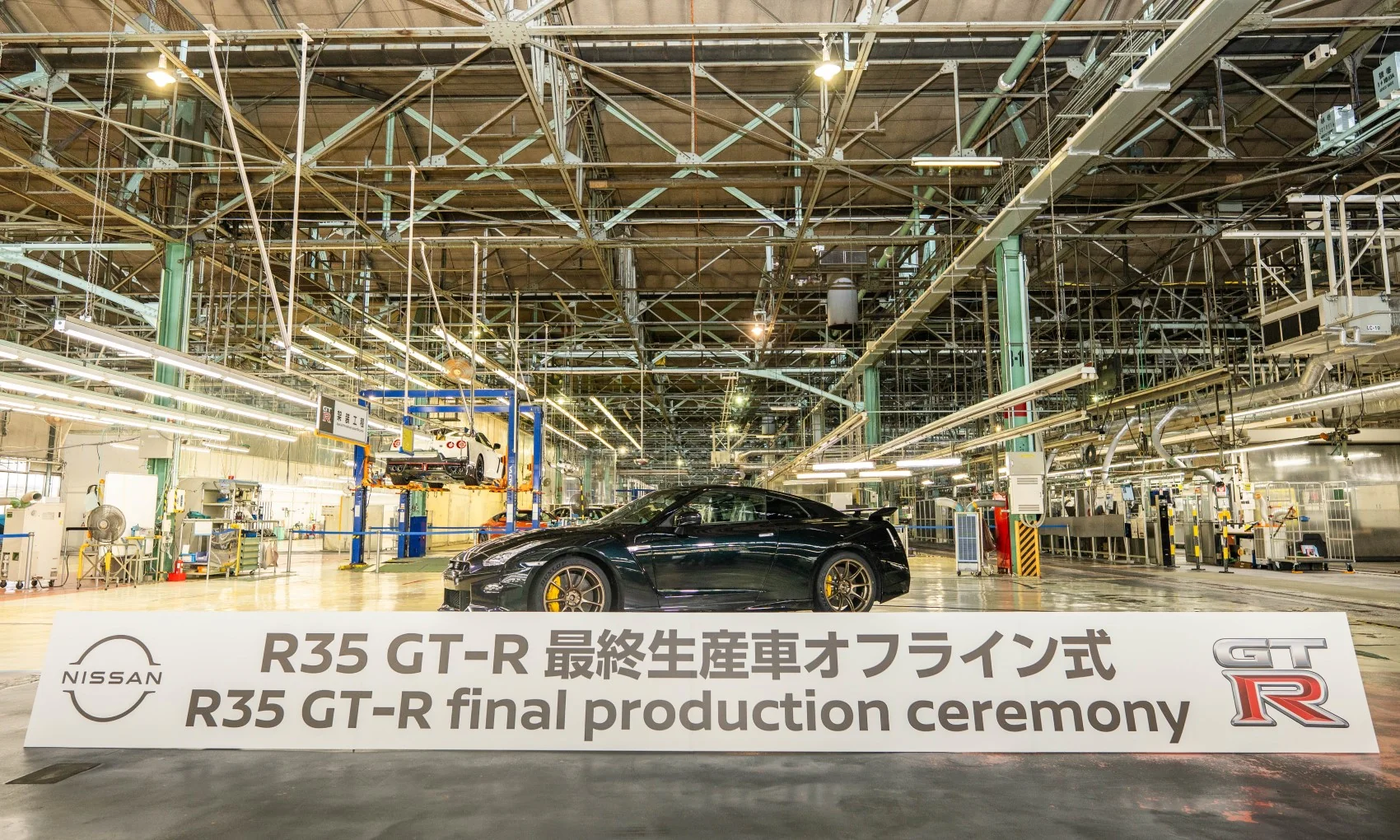
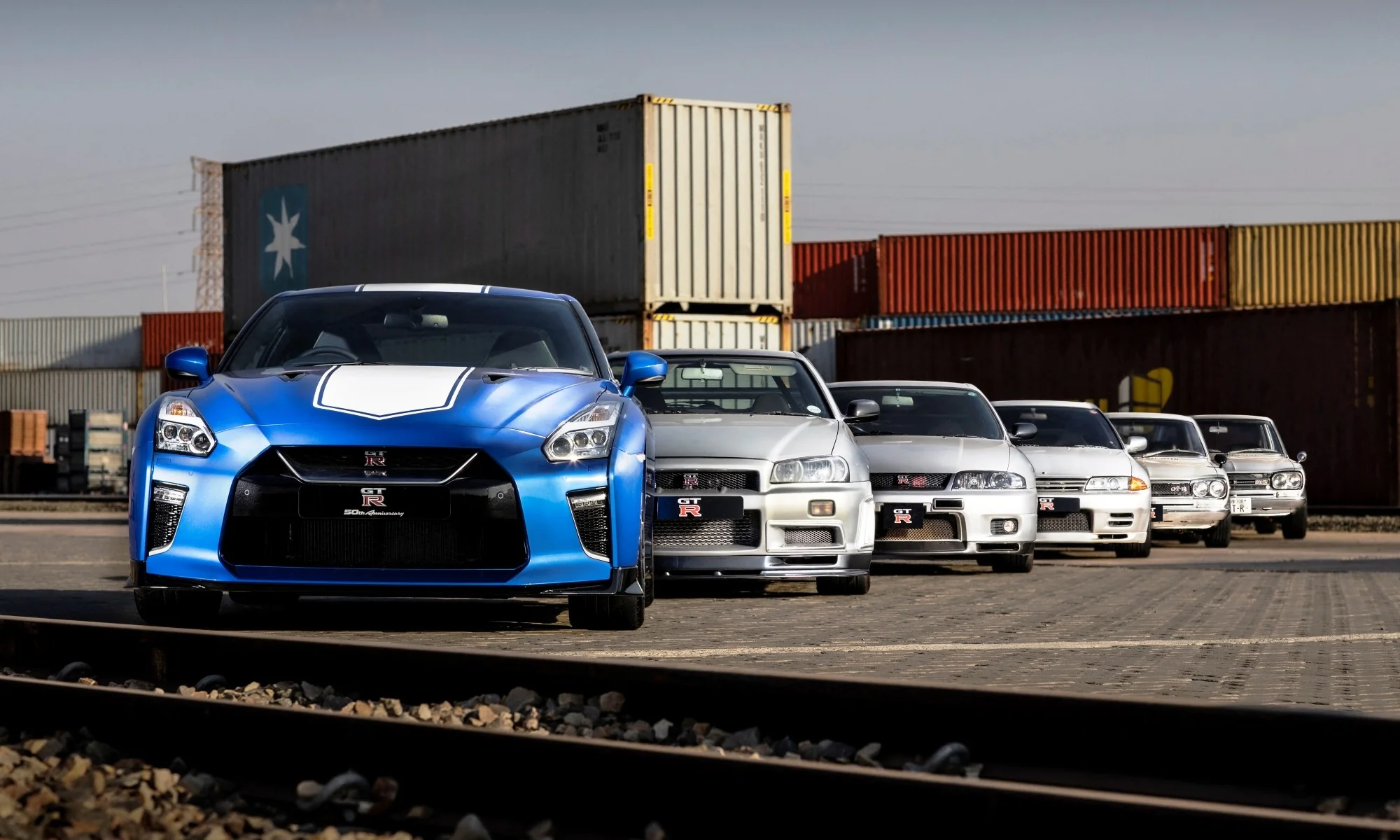
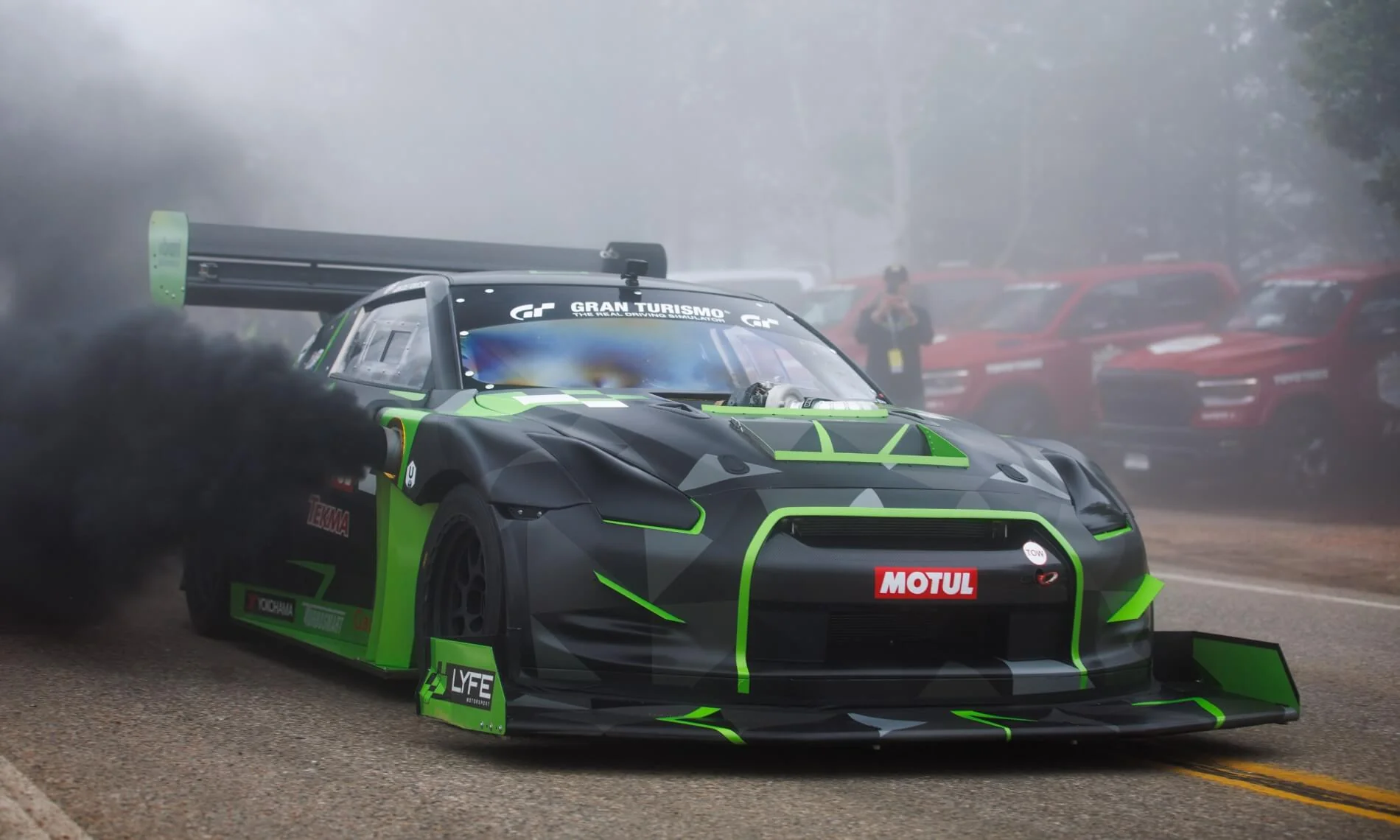
The encouraging part is that the company seems to understand the assignment. The decision not to force the GT-R down a full-EV path suggests there are still people inside Nissan who know what this badge means. That alone is reassuring. The R35 lasted so long, and remained so relevant, because it was never built around fashionable thinking. It was built to be effective. Ruthlessly so.
For enthusiasts, the message is simple: the next GT-R is unlikely to become some sanitised battery statement car. It is shaping up to retain combustion at its core, with hybridisation used because it has to be, not because marketing demanded a buzzword. That is the right balance.
There is still plenty we do not know about the R36. Power figures, layout details and timing remain under wraps. But the big question has now been answered. The next GT-R will not be electric. Good. Godzilla was never meant to whisper.

Have your say
Got thoughts on this?
No feedback yet on The Next Generation Nissan GT-R will not be an EV. Kick the conversation off.
Free. Email link only — no password.