
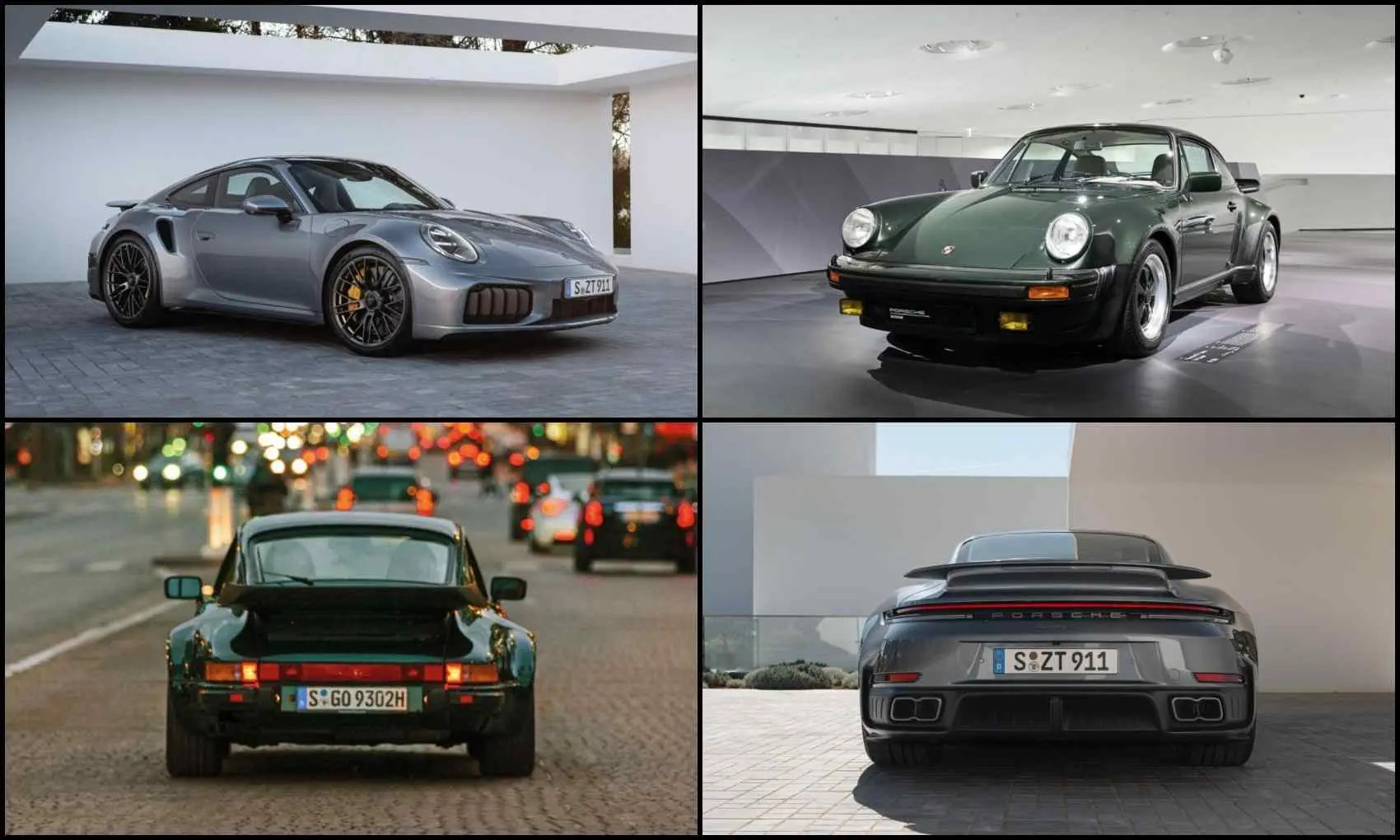

We take a closer look at some of the key differences between the first Porsche 911 Turbo and the most recent, in a new series called Then and Now.
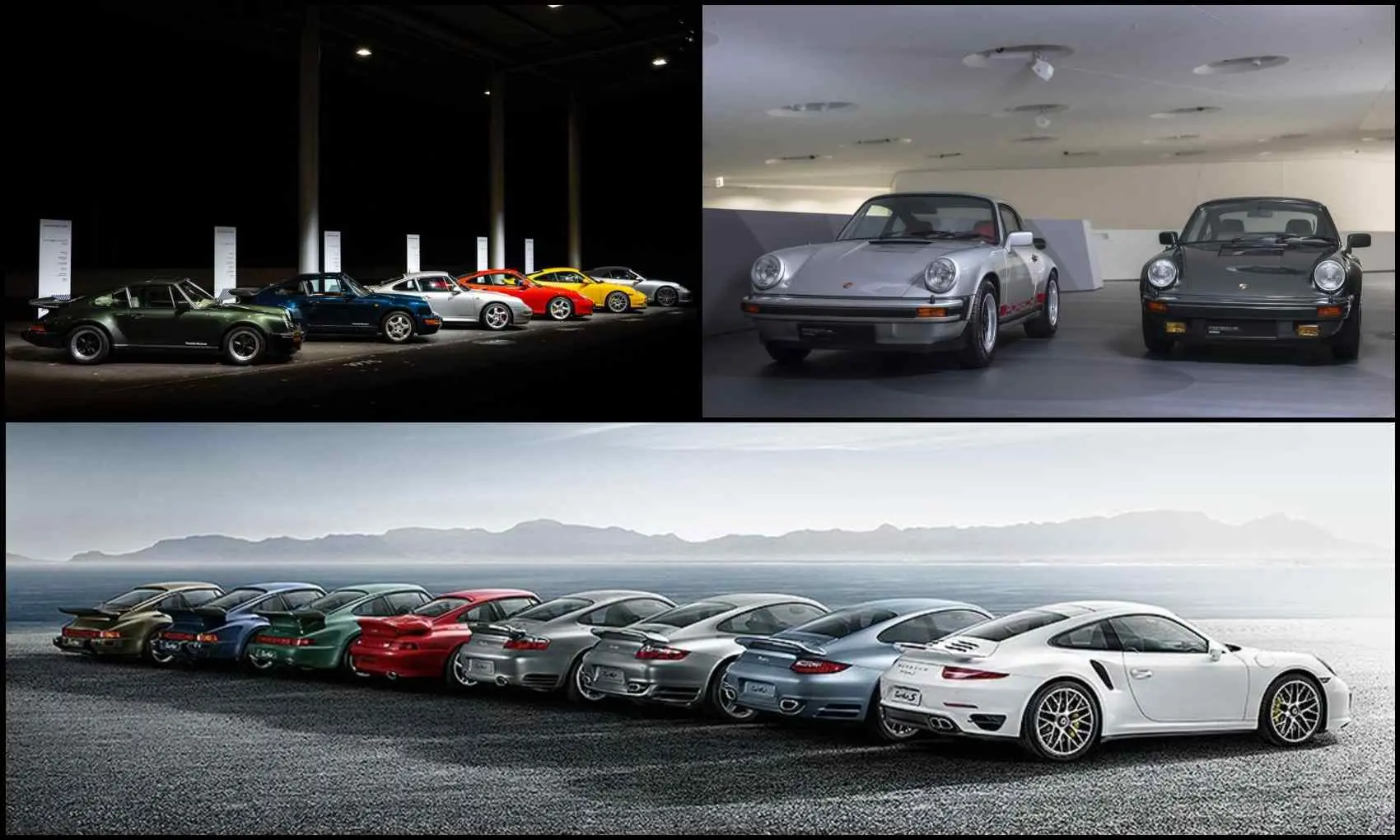
The Porsche 911 Turbo is an evergreen prospect on the world of sportscars. With an unmistakable silhouette and force-fed motor, the 911 Turbo has been the poster car and object of desire for countless petrolheads around the world. The world, and the 911 Turbo have changed significantly since the first of its name debuted. We take a look at the Type 930 and the latest, 992.2 Turbo S to show how things have progressed over 50 years.The Widowmaker
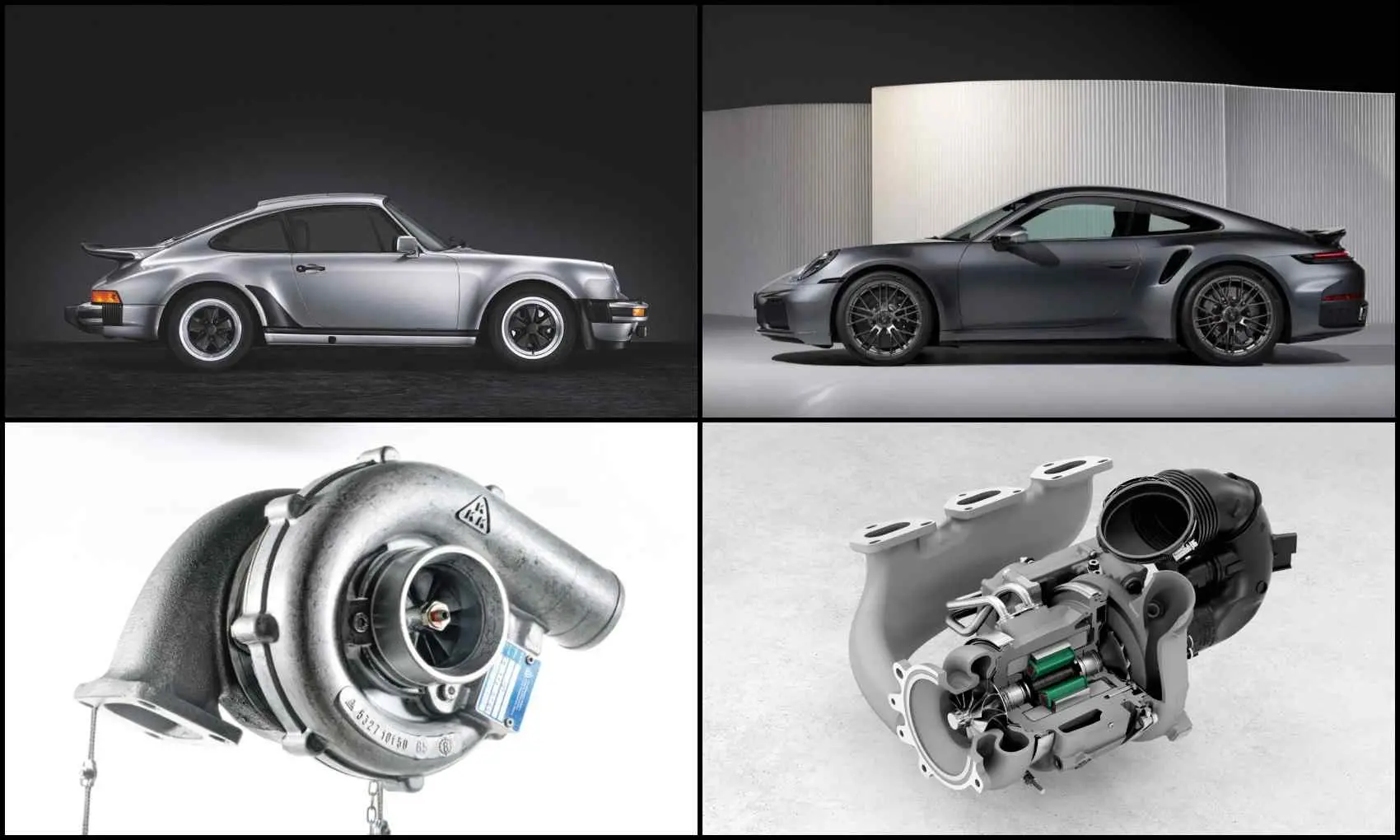
Porsche set the world alight when it pulled the wraps of the original 911 Turbo in 1974. Turbocharged engines were considered fragile and unsuitable for everyday use. The 911 Turbo changed that. The original, Type 930, caused a sensation with its flared wings to its large rear spoiler, referred to as a whale tail by fans, and the iconic Fuchs wheels, it fueled the dreams of many young boys. The original ‘Turbo’ had a 3,0-litre engine that was fed by a single turbocharger. It made, for the time, an impressive 190 kW. A four-speed manual transmission sent power to the rear wheels.
The single KKK turbocharger took some time to build full boost and ramped up to peak torque within a very small rev range. As a result of the peaky power delivery and rear-mounted engine, its handling characteristics were quite tricky. This earned it the unfortunate nickname of ‘The Widowmaker’. Top speed was a crazy 250 km/h making it one of the fastest production cars in the world at the time.
Follow Double Apex on Instagram and Facebook where we share more car content.
A Hypercar Rival
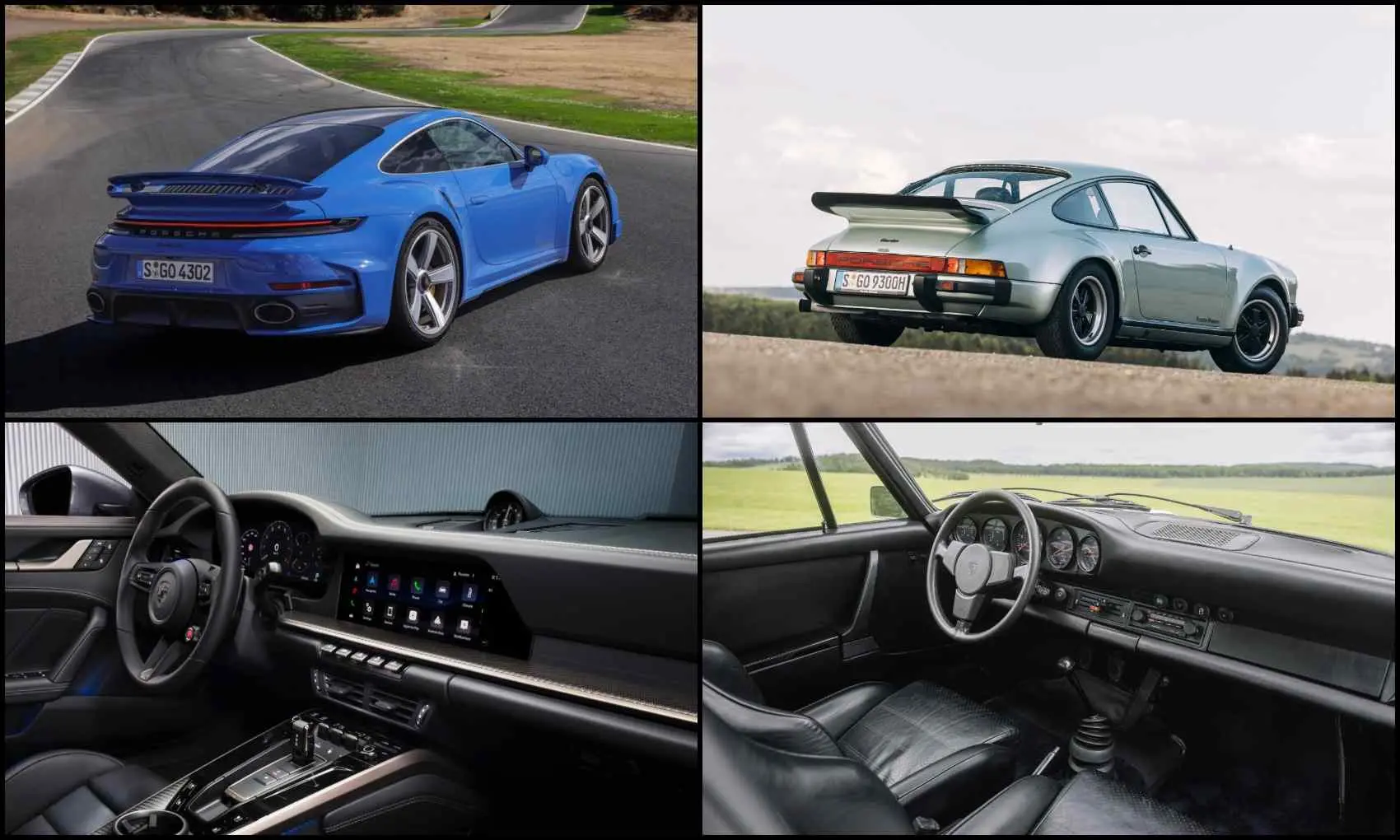
Fast forward 50 years and the Porsche 911 Turbo is still an object of desire, although the game has moved along significantly. The latest 911 (generation 992) has grown somewhat since the early 911s. An increase in exterior dimensions has brought with it more space and practicality, earning it the ‘everyday supercar’ title. The 992 is already halfway through its lifecycle. This means that a 992.2 Turbo S was revealed last year.
The recipe has essentially remained the same in many ways but 190 kW is the stuff of hot hatches these days. The latest 911 Turbo S is a rip-snorting high-performance derivative that punches way above its weight division. A 3,6-litre flat-six engine is hung out behind the rear wheels. A pair of electric motors spool up the eTurbos as quickly as possible, a far cry from its progenitor. Peak power is rated as 523 kW along with a whopping 800 N.m of torque. This makes the new 911 Turbo S the most powerful production 911 to date.
Standard all-wheel-drive and an eight-speed transmission with launch control allow the Turbo S Coupé to blast from 0-100 km/h in 2,5 seconds and from 0-200 km/h in 8,4. These were hypercar stats not that long ago.
Click here to check out some of some SA test data of a 992 Turbo S achieved at sea level.
Staying Relevant
The Porsche 911 Turbo has grown with the times, offering a lot more now in terms of space, practicality and mod-cons than the 930 did. New engine tech has also been implemented to keep up with the times. It is still blisteringly quick, a true sportscar weapon that can take the fight to the supercar heavyweights. And the performance envelope is far more accessible now than it has ever been. Long may the 911 Turbo live.
| Porsche 911 Turbo (930) | Porsche 911 Turbo S (992.2) | |
|---|---|---|
| Intro date | 1975 | 2025 |
| Price in ZAR | ~R120 000 | ~R5 700 000 |
| Engine | 3,0-litre, flat-six, turbocharged | 3,6-litre, flat-six, twin-turbocharged |
| Power/Torque | 190 kW/344 N⋅m | 523 kW/800 N⋅m |
| 0-100 km/h | 5,5 sec | 2,5 sec |
| Top speed | 250 km/h | 322 km/h |
| Length in mm | 4 290 | 4 551 |
| Width in mm | 1 770 | 1 900 |
| Wheel diameter | 16 | 20/21 |
| Mass in kg | ~1 300 | ~1 800 |
![Porsche’s New 911 GT4 R Elevates Customer Racing [w/video]](https://doubleapex.co.za/wp-content/uploads/2026/06/Porsche-911-GT4-R-garage.webp)
Have your say
Got thoughts on this?
No feedback yet on Then and Now: Porsche 911 Turbo. Kick the conversation off.
Free. Email link only — no password.