
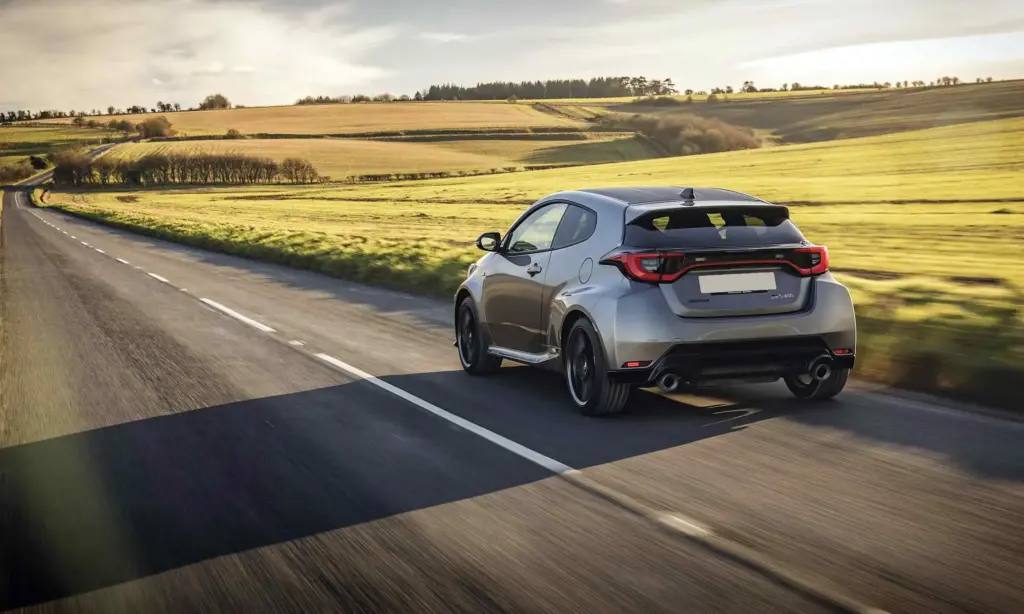
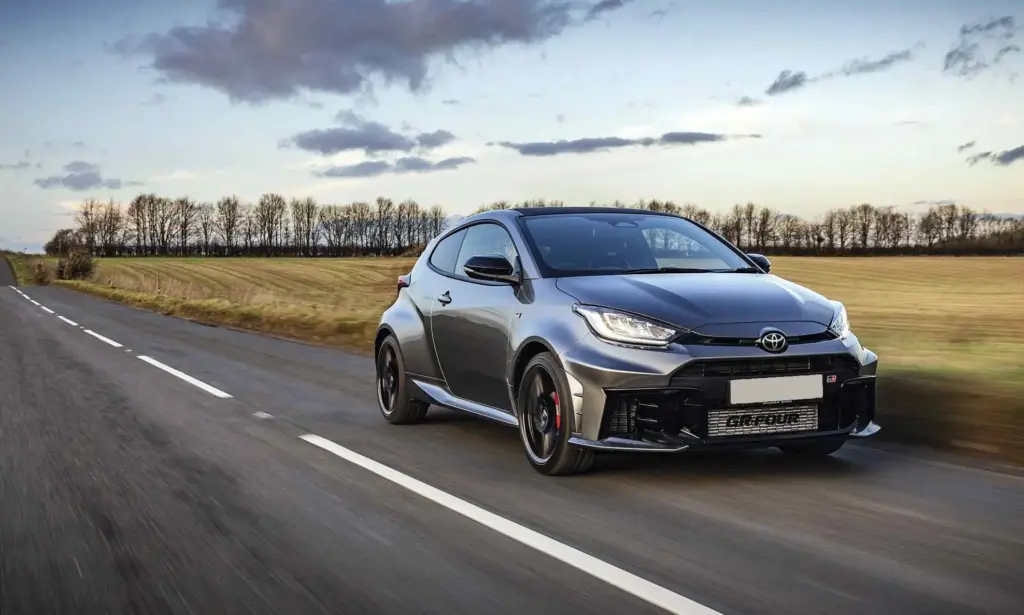
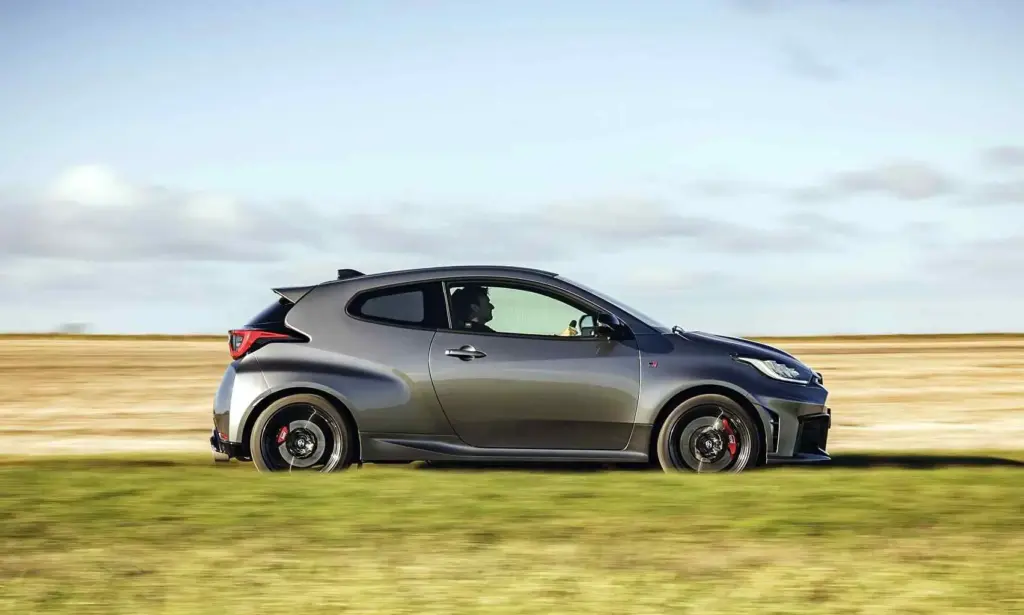
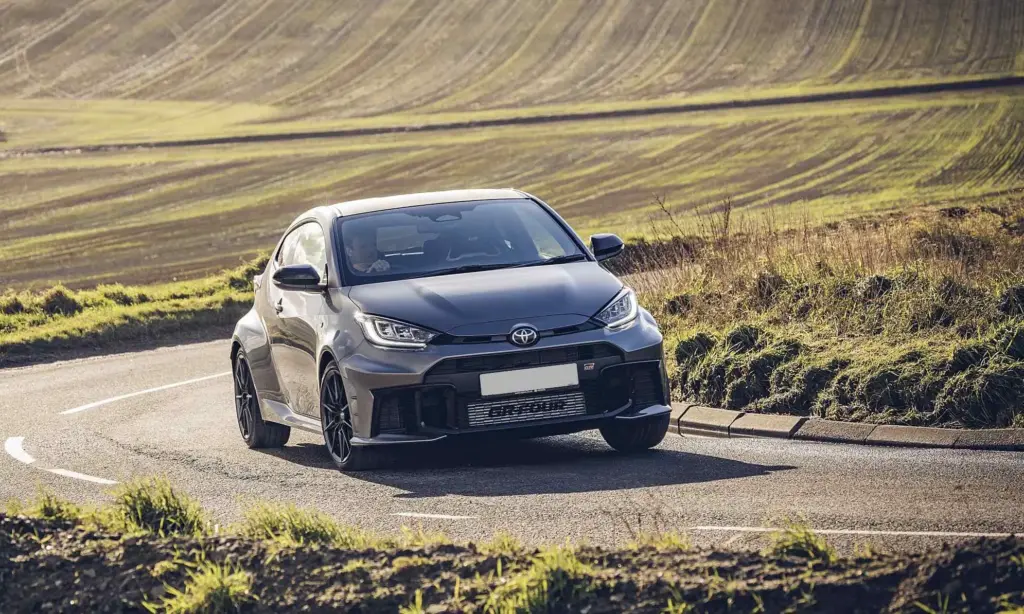


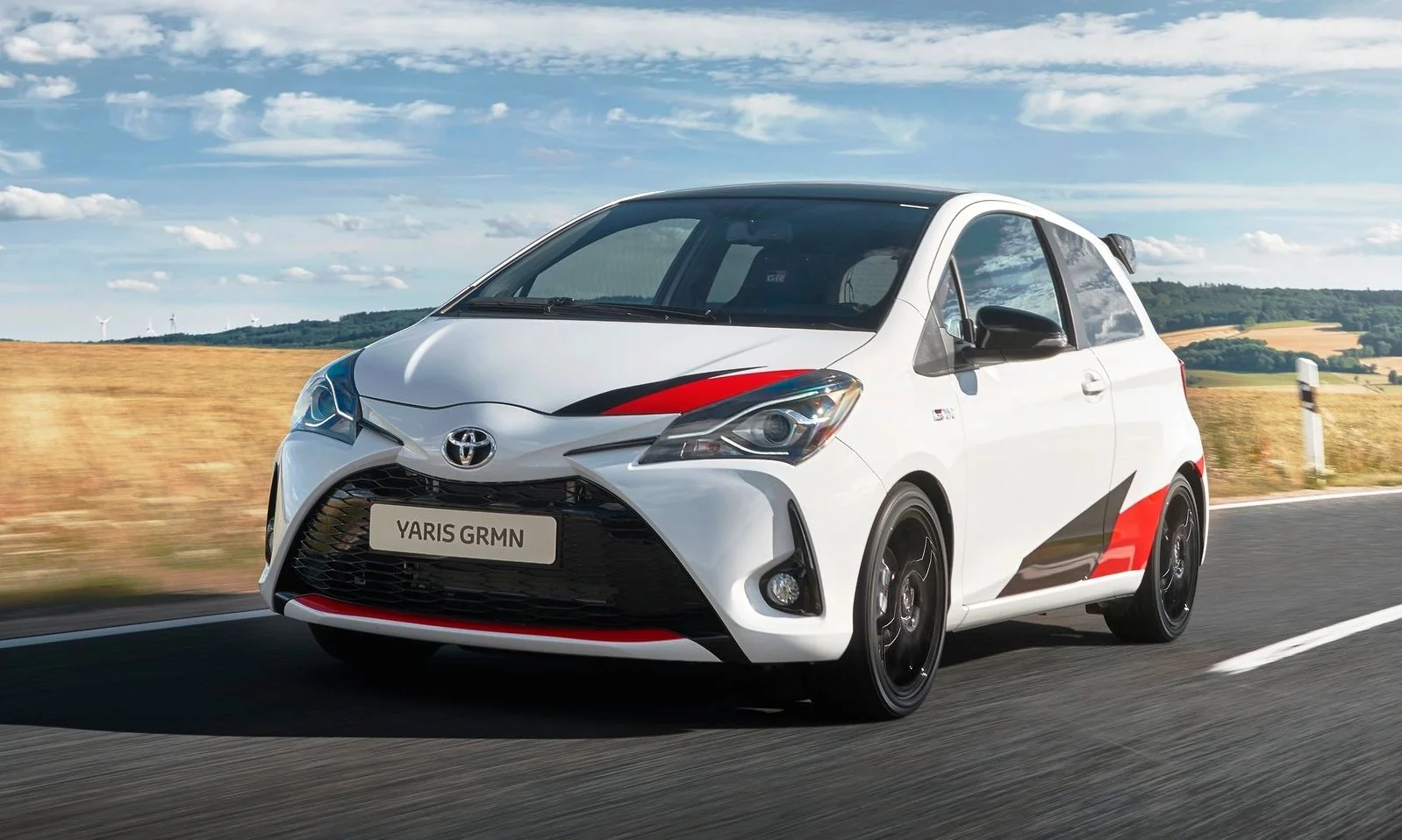
We reacquaint ourselves with the Toyota GR Yaris automatic after the hot hatch has undergone a massive revision.
The Toyota GR Yaris was universally praised when it was launched to the world a few years ago. The product of Toyota’s in-house speed division, Gazoo Racing, was no warmed-over econobox. Instead, it was a properly engineered rally rep created in the same vein as the likes of the Delta Integrale.
Follow Double Apex on Instagram and Facebook where we share more car content.
However, Toyota thought that its little pocket rocket could use a bit of tweaking. As a result, a revised version was recently introduced. In addition to a number of changes, which we will go into below, there is now also a Toyota GR Yaris automatic available. The latter is the version that we had in our care for a few days.
What’s New?
You already know the basics of this car, so we’ll stick to what’s changed. Instead of adding a few spoilers, a new set of alloys and some graphics before calling it a ‘revised’ version, Toyota went the whole hog, giving it a ground-up change. The motto for the upgrade was: develop, race, break, fix. Engineers scrutinised every detail including feedback from pro drivers and existing customers.
Chief Engineer Naohiko Saito said: “Every aspect of the new GR Yaris incorporates the know how and expertise fed back from actual motorsport situations and from our Master Driver Akio Toyoda and race and rally drivers.”
The changes started at the body-in-white stage with an increased the number of welds and strategic use of bonding materials for added structural integrity. There are even added bolts to secure the front dampers with the aim of improving steering response and handling. And we can confirm that the difference in noticeable. There is even more solidity and front-end ‘pointiness’ (much to the annoyance of my better half) to car that didn’t really seem to lack any from the get-go.
More Changes Inside
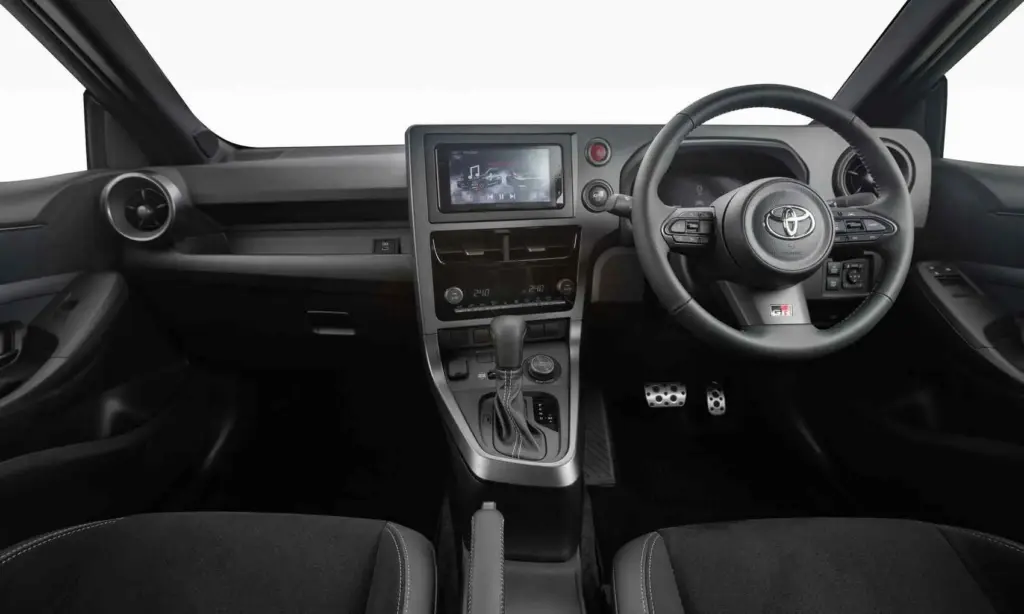
There have been changes in the cabin as well. The most noticable is the lowered facia (by 50 mm), and is tilted a few degrees towards the driver for ease of use, along with a repositioned mirror, which helps improve sight lines. The facia is a single slab of plastic now, which easily differentiates the latest version from its predecessor. The steering wheel is also fractionally smaller in diameter and thinner around the thumb grips, which is great.
A early annoyance we noted, and probably many owners did as well, was that the driver’s seat just didn’t lower far enough. This left one feeling perched up in the cabin. An additional 25 mm of downwards adjustment has made the world of difference to remove that sensation. The seat can now be set so you feel in the car as opposed to on the car. Kudos to Toyota for noting and correcting that.
Mechanical Upgrades
Gazoo Racing has retained the G16E-GTS engine. However, the 1,6-litre boosted triple now boasts an additional 12 kW and 40 N.m of torque. As a result peak figures rise to 210 kW of power and 400 N.m. Those are pretty impressive stats from a tiny, lightweight mill. The benchmark 0-100 km/h dash now takes 5,2 seconds (0,3 quicker) while the top speed remains pegged at 230 km/h.
Click here to read about the Toyota GR Corolla Hatch that shares its engine with the Yaris.
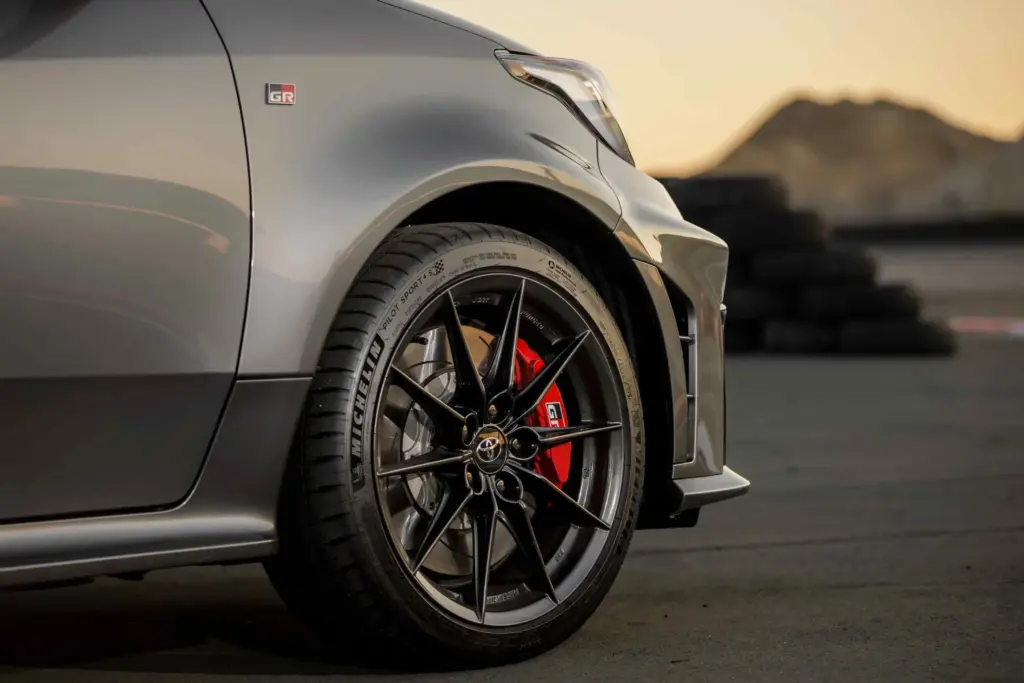
Of course, there is also the aforementioned new transmission option. Initially, the GR Yaris was offered solely with a six-speed manual. But Toyota claims the auto’ version is the one to have if you are chasing quicker lap times. Choose either option and you still get the same all-wheel drive system and mechanical front and rear Torsen LSDs. 18-inch BBS forged alloy wheels shod with Michelin Pilot Sport 4S tyres also remain – NICE!
A Real Driver’s Machine
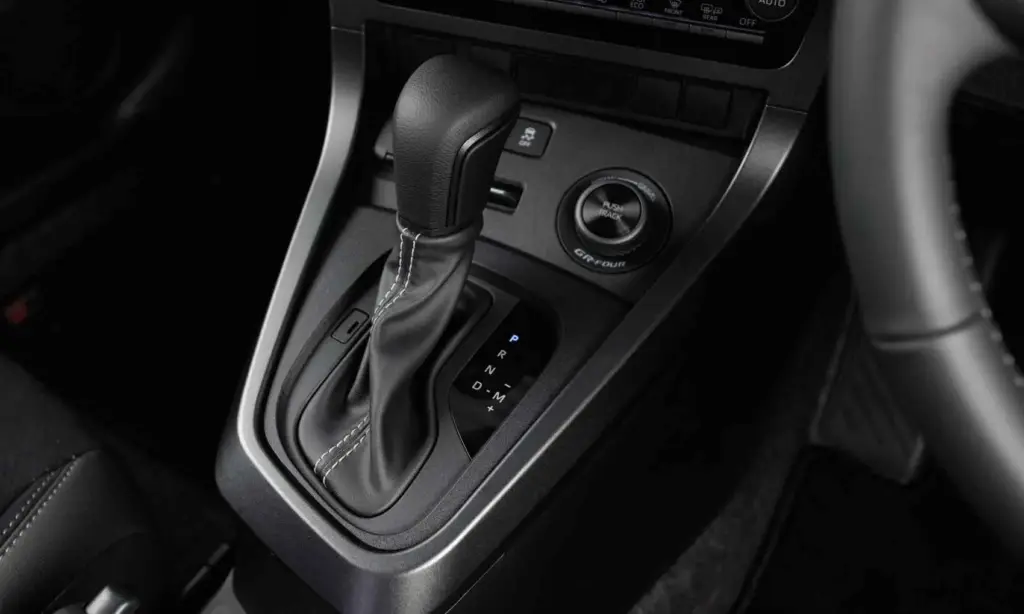
The changes carried out to the Yaris are quite evident, both from the driver’s (better) seat and in terms of how the car responds to inputs. The boosty little engine pairs well with the automatic transmission, working in unison to extract the most from the power band. There are paddle shifters on the steering wheel, and a console-mounted shifter with rally-esque shift control should you wish to swap cogs, but the need to do so rarely arises.
Click here to read our manual GR Supra driving review.
The AWD drivetrain has three settings with variable splits: normal (60:40), gravel (53:47) and track. The latter sends 60 per cent of the torque to the front wheels heading into a corner, but then 70 per cent is sent to the rears for better acceleration on the way out.
As a result you can get on the power as early as you dare, the Torsen diff’ locking up to pull you out of corners. It does so with virtually zero understeer. The clever system ensures that one can use almost all the power, all of the time. We’d wager that your average driver would be quicker over any twisty road in the GR Yaris than in your typical RWD supercar, such is the accessibility of its performance envelope.
Gripes
The GR Yaris is a car that demands to be driven hard. At commuter speeds it feels a little compromised, especially in terms of ride quality. Buyers looking at this car will probably make that sacrifice. Other small gripes, and only because the rest of the car is so good, came to light during our time together. The steering, while laser sharp, lacks proper feel. It doesn’t accurately convey front-end grip levels, but you are unlikely to ever breach those in road driving.
The brakes are extremely strong, and fade free, but they lack proper progression. Lastly, again, something quite small, is the plastic shifter paddles on the steering. Every part of this car is so sold and well engineered, that we feel the plastic paddles are a bit of a let down. Even the gear-lever has a nice mechanical, oily feel it it. Although, if we were spending the money, the manual version would be our choice. Admittedly, the automatic transmission takes nothing away from the car’s fundamental character.
Summary
There was nothing inherently wrong with the GR Yaris to start with. Had Toyota not carried out the upgrades it did, few would ever know that these were an issue (seating adjustment aside). But it speaks volumes to the seriousness with which Toyota treats its Gazoo Racing products that it felt the need to undertaken the changes.
If anything, the latest version feels even more honed, more shot through with the kind of engineering prowess that you find in the likes of a Porsche GT3 or a Nissan GT-R. This is a serious little car that has taken up the baton of rally reps from the Far East, a baton dropped by the likes of the Subaru WRX STI and Lancer Evolution. In fact, this could well be the best ever rally rep to leave Japan, it’s certainly one of the best hot hatches on sale right now.
Model: Toyota GR Yaris
Price: R981 000
Engine: 1,6-litre inline three, turbocharged
Transmission: eight-speed automatic, AWD
Max power: 210 kW
Max torque: 400 N.m
0-100 km/h: 5,2 seconds
Top speed: 230 km/h
Fuel consumption: 9,1 L/100 km
Have your say
Got thoughts on this?
No feedback yet on Toyota GR Yaris Automatic Driven. Kick the conversation off.
Free. Email link only — no password.