
The Formula One grid grows from 2026 with the entry of US automaker Cadillac. F1 and motorsport expert Graham Duxbury takes a look at the history of American F1 teams in the sport.
In the fast-moving world of Formula One, 2026 will see a new addition to the grid. Cadillac, under the aegis of General Motors and TWG Motorsports, is making its eagerly-anticipated debut as the sport’s eleventh team. Cadillac’s entry will mean much, not only for F1, but for American motorsport. The team joins a storied lineage of US-based F1 efforts from the past.
Follow Double Apex on Instagram and Facebook where we share more car content.
Flashes of Victory
Some, like AAR with its much-admired Eagle Westlake challenger, scored memorable wins. Unfortunately, others demonstrated only flashes of virtuosity or struggled to sustain their positions on the grid. Many withdrew after only brief stints. Cadillac’s approach appears to learn from this history. The team’s commitment is underpinned by a multinational infrastructure, top-tier leadership, a phased engine program and an experienced driver line-up.
Looking Back
To understand the scale of Cadillac’s challenge, it’s worth recalling the legacy of US-based teams in F1. The story begins in 1960 with Scarab, the creation of Lance Reventlow. Scarab fielded front-engined cars at a time when the rear-engine revolution was in full swing. The result? A single, fruitless season before disappearing into history.
In the mid-1960s American optimism returned with AAR and the Eagle chassis, founded by the legendary Dan Gurney. His 1967 Belgian GP victory remains an important win for an American-built F1 car – a brief moment of glory that still echoes today. Yet by 1968, rising costs forced AAR out of F1. In 1974, Vel’s Parnelli Jones Racing – a force in the IndyCar series – ventured into F1. Former Lotus man Maurice Philippe designed the car to be driven by American champion Mario Andretti. However, despite technical promise, the team folded after just 16 starts.
In the same era, the Shadow team attempted F1 after a successful spell racing sports cars in the US. The team’s first season, in 1973, started well with a third-place finish in only its fourth race. The following year, two-time F1 winner Peter Revson joined but soon lost his life in an accident at Kyalami. The following years promised much but delivered little. Shadow racecars were fast yet fragile. The team suffered tragedy again when Tom Pryce was killed in a freak incident at Kyalami during the 1977 SA GP.
A Single Win
Future world champion Alan Jones, took Shadow’s only F1 win at the 1977 Austrian GP. By the end of the season many Shadow staffers had walked out to form the Arrows team. It was the beginning of the end. The Penske team also tried its luck in F1. Sadly, tragedy struck when American champion Mark Donohue crashed following a tyre failure in practice for the 1975 Austrian GP. Appearing uninjured, he later succumbed to a brain haemorrhage.
Nevertheless, the team achieving a rare highlight when, at the 1976 Austrian GP, John Watson won in the Penske PC4. This represented the last F1 win by an American constructor to date. At year’s end, Penske exited F1 to focus on IndyCar. The 1980s saw the Haas team, owned by Carl Haas, enter F1 in partnership with Lola Cars. The team folded after two seasons without even a podium finish.
A New Force
Then came a long drought until Gene Haas (no relation to Carl Haas) entered F1 in 2016. The ‘new’ Haas enjoyed a competitive debut but has since languished in the midfield, highlighting just how punishing F1 can be. Against that backdrop, Cadillac’s entry looks different. It boasts a multi-site operation spanning Indiana, North Carolina, Michigan, and a UK-based technical hub at Silverstone. This trans-Atlantic footprint signals a commitment to both US identity and European expertise.
GM is already laying the groundwork for its own engine program, aiming for a full works powertrain by 2029. That long-term horizon separates Cadillac from many of its predecessors, who entered with shorter-term strategies and limited resources.
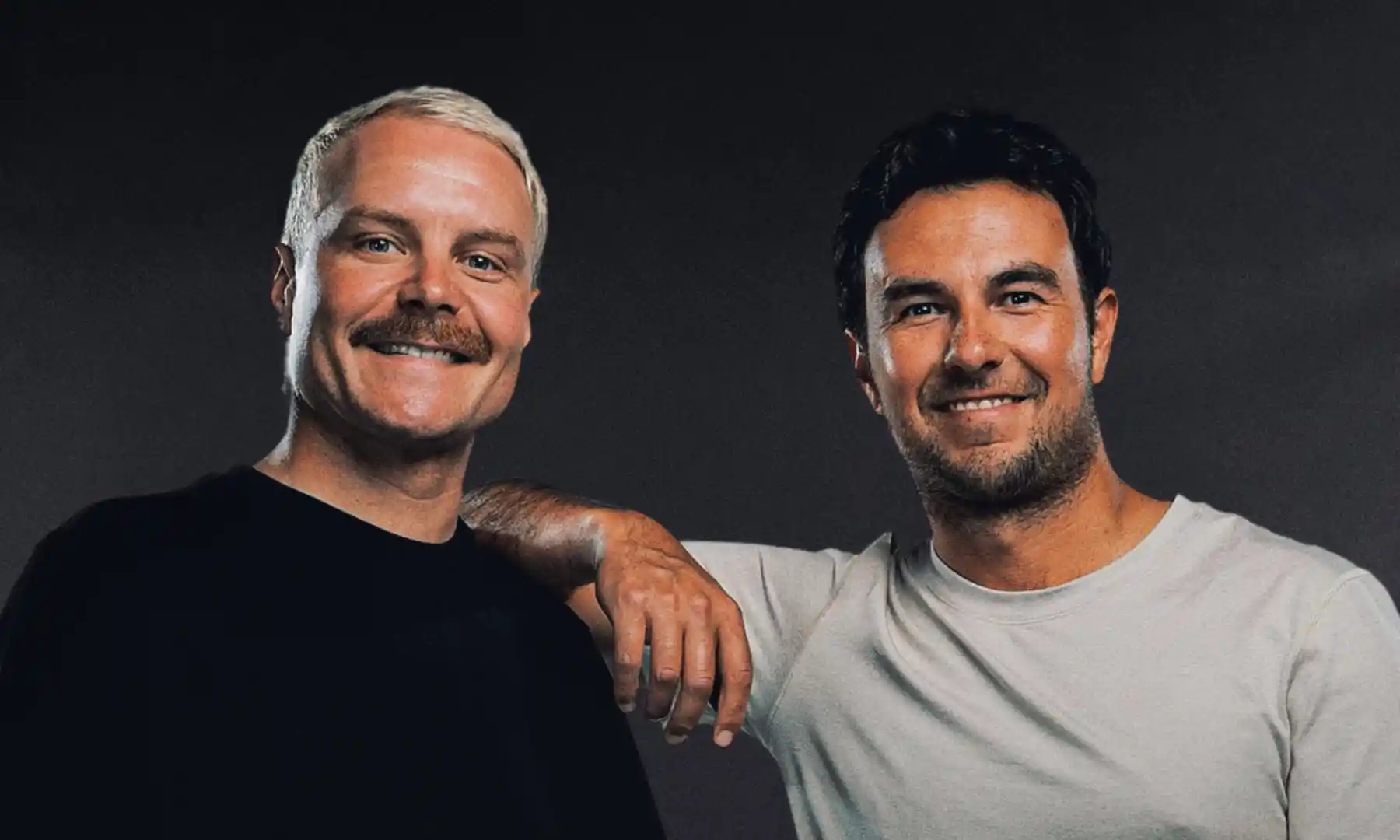
Perhaps the clearest sign Cadillac means business lies in its driver lineup. In a break from tradition – where new teams often rely on rookies or pay drivers – Cadillac has secured Sergio Pérez and Valtteri Bottas, two seasoned veterans boasting more than 16 GP wins between them. They will be joined by American Colton Herta – a proven IndyCar winner who will fill the role of test driver.
Cadillac F1 isn’t a vanity project. It is a strategic move by one of the world’s largest automakers – leveraging technical muscle, global branding and a roadmap that stretches years into the future
Have your say
Got thoughts on this?
No feedback yet on Cadillac F1: Forging a new American legacy in the Sport. Kick the conversation off.
Free. Email link only — no password.