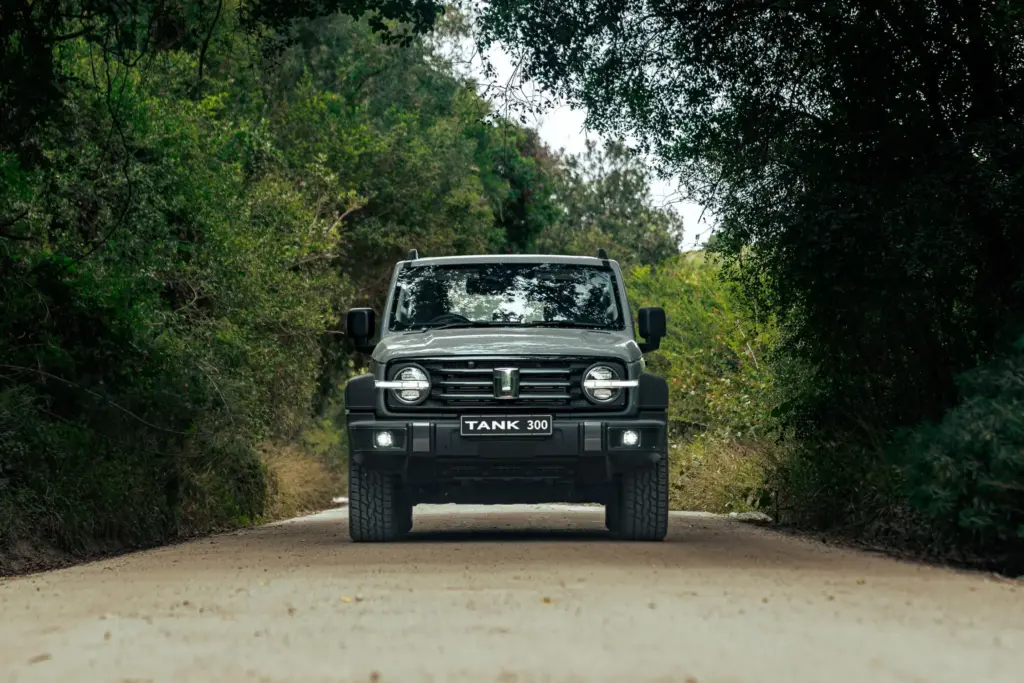
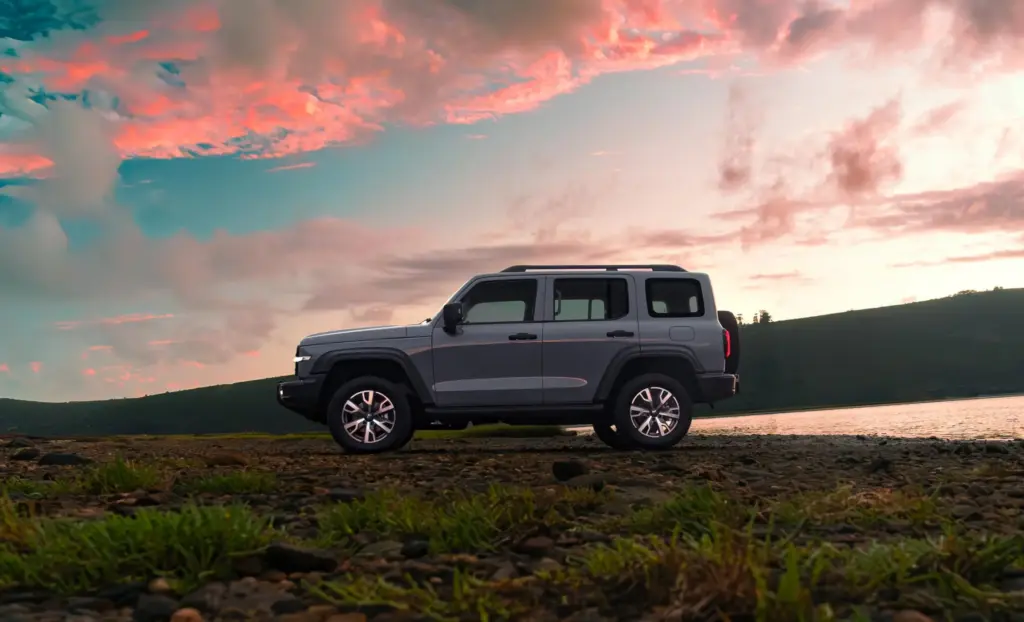
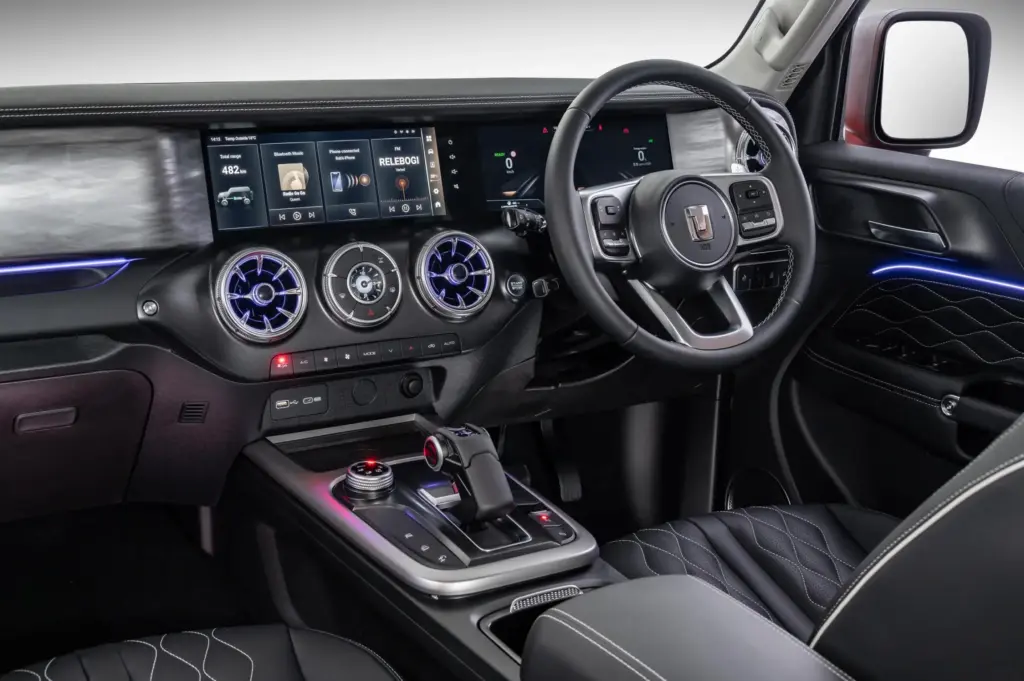



On paper, the Tank 300 arrived in South Africa with the sort of numbers that usually win the argument before the first fuel stop. In the real world, though, the people who actually take these things onto gravel passes, into Botswana, or up to a caravan park with a full load of kit asked a harder question. They wanted something that would lean on torque, use less fuel and tow properly without turning every trip into an accounting exercise.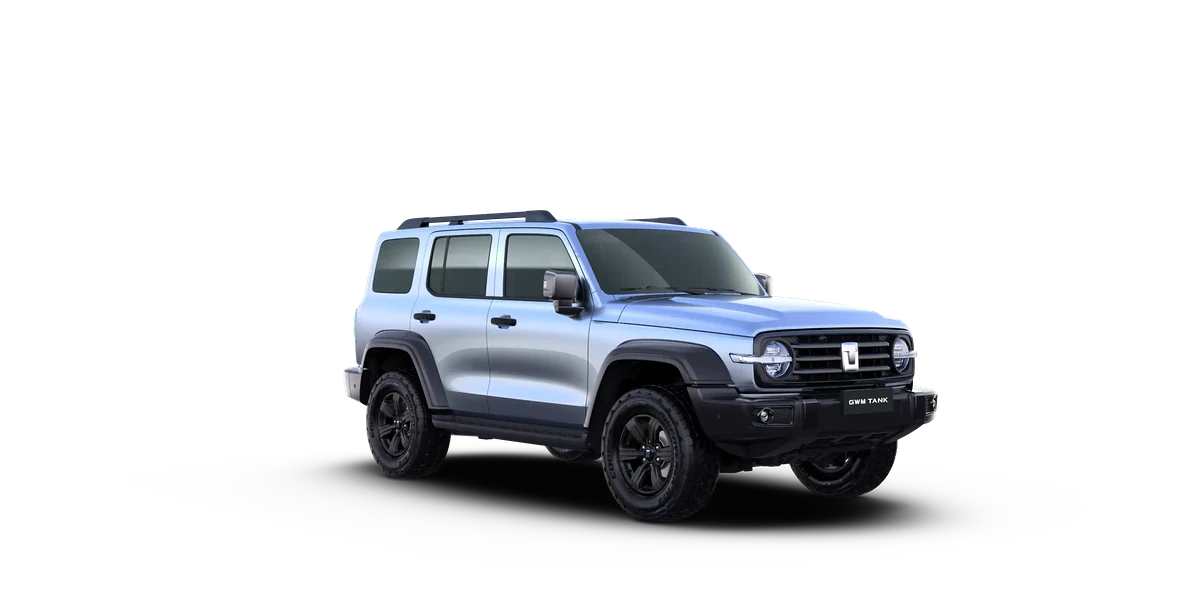
That has pushed GWM South Africa in a clear direction. The Tank 300 is not being dumped as a hybrid idea, but its local identity is now shifting toward a 2,4-litre turbodiesel formula that better suits how South Africans use a body-on-frame 4×4. In a market where diesel remains the default language for serious SUV work, that move makes sense.
Making a Splash
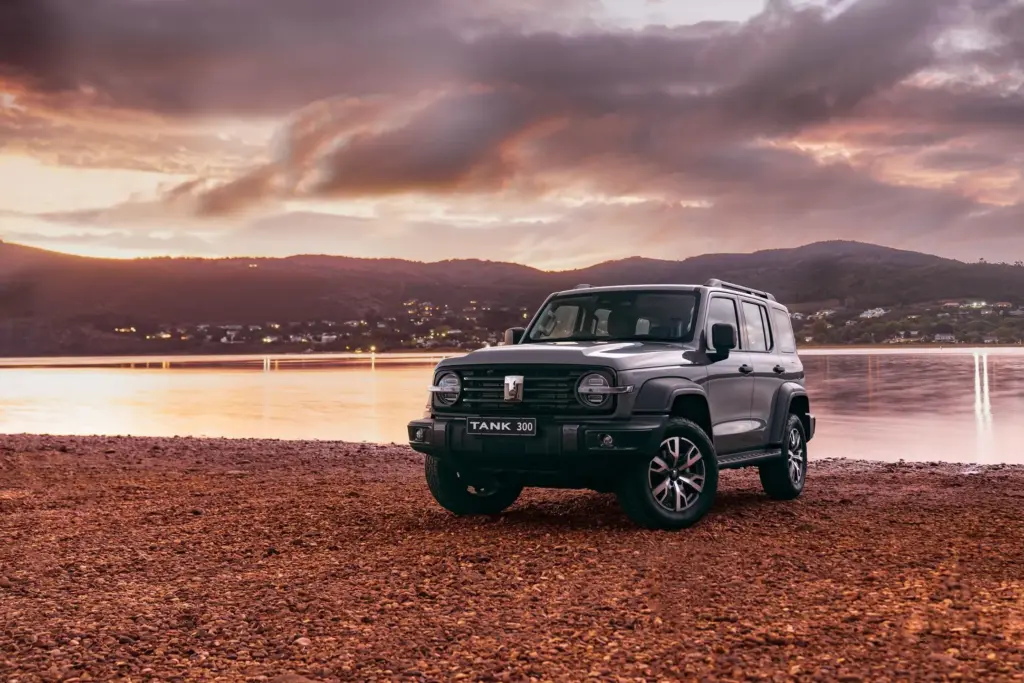
The hybrid arrived with plenty of attitude. Square shoulders, proper clearance, low range and a drivetrain promising big torque. The problem was that local buyers did not view it the way city crossover shoppers might. South Africans heading onto corrugated roads or far beyond charging infrastructure care less about novelty than they do about range, load carrying and durability.
Its hybrid system was tuned more for shove than thrift. Output stood at 648 N.m, but the battery behaved less like a fuel-saving ally and more like a booster for the 2,0-litre turbopetrol. At roughly 2,3 tons, the Tank is heavy for its size, and its upright body does little for highway efficiency. That helps explain why real-world consumption often landed around 11 to 13 L/100 km against an official claim of 8,4 L/100 km. For many buyers, that gap was simply too large.
That is where the Tank 300 hybrid began to lose ground. It asked buyers to pay a premium without delivering the sort of fuel savings they expected from the badge on the tailgate. A Toyota-style hybrid chases economy first. The Tank 300 hybrid chased torque and off-road punch, and the fuel bill reflected it.
Old Habits Die Hard
South Africa has never been an easy place to sell a thirsty SUV at a premium price. Buyers here will forgive a lot if the drivetrain suits the mission, but very few are sentimental about fuel spend. GWM appears to have recognised that early enough. The 2,4-litre turbodiesel arrived in August 2025, and the response has reflected market habits rather than marketing ambition. Diesel still speaks most clearly to buyers who tow, overland and cover big distances.
The diesel gives up the hybrid’s headline 648 N.m and instead delivers 480 N.m, but it brings that torque in lower down the rev range. That matters more on loose climbs, with a trailer hooked up, or over long stretches of tar where the car needs to settle into an easy rhythm. The hybrid felt punchy. The diesel feels better suited to the job.

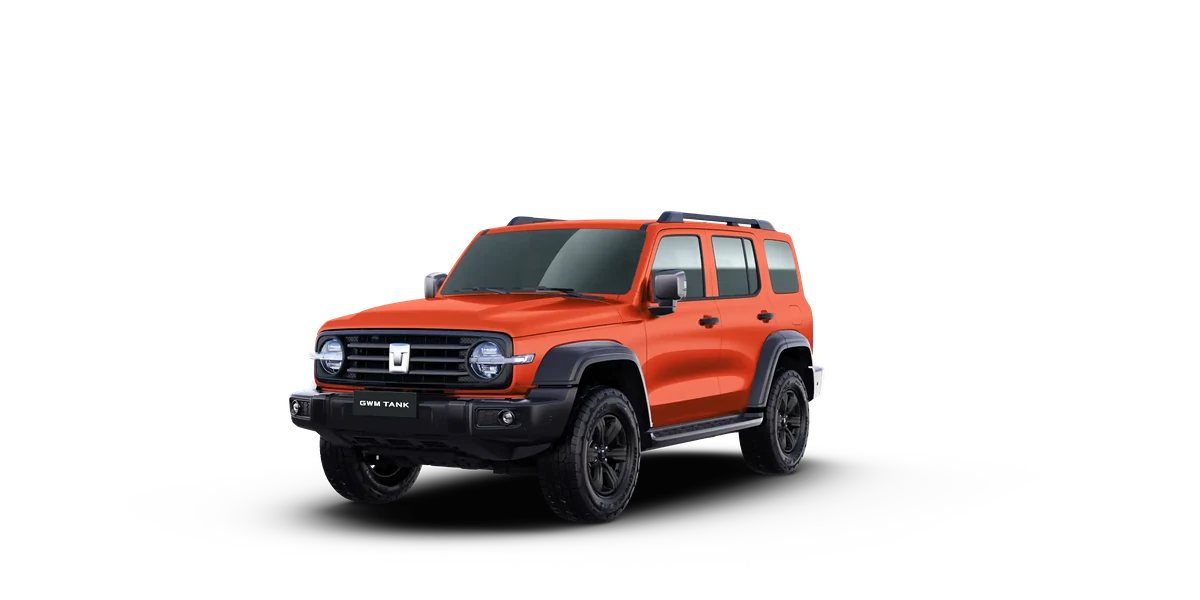
Importantly, GWM has not treated this as a simple engine swap. The diesel Tank 300 comes with more than 20 engineering changes aimed at harder use. Front brakes are larger, the calipers have been upgraded, and components such as the front knuckles, wheel bearings and prop shaft have been strengthened. Suspension tuning has also been revised with firmer dampers and tougher bushings to better cope with heavier loads.
Making a Diffference
Those changes show up where it counts. Payload rises to 600 kg from roughly 400 kg in the HEV, while braked towing capacity climbs from 2 500 kg to 3 000 kg. Those are the figures that separate a vehicle built to do the work from one that merely looks the part.
Range is just as important. With claimed consumption of 7,7 L/100 km and a tank of around 78 to 80 litres, the diesel should comfortably clear 1 000 km on a fill. In South Africa, where distance is part of daily life and fuel stops can thin out quickly once you leave the main routes, that changes the ownership proposition completely.
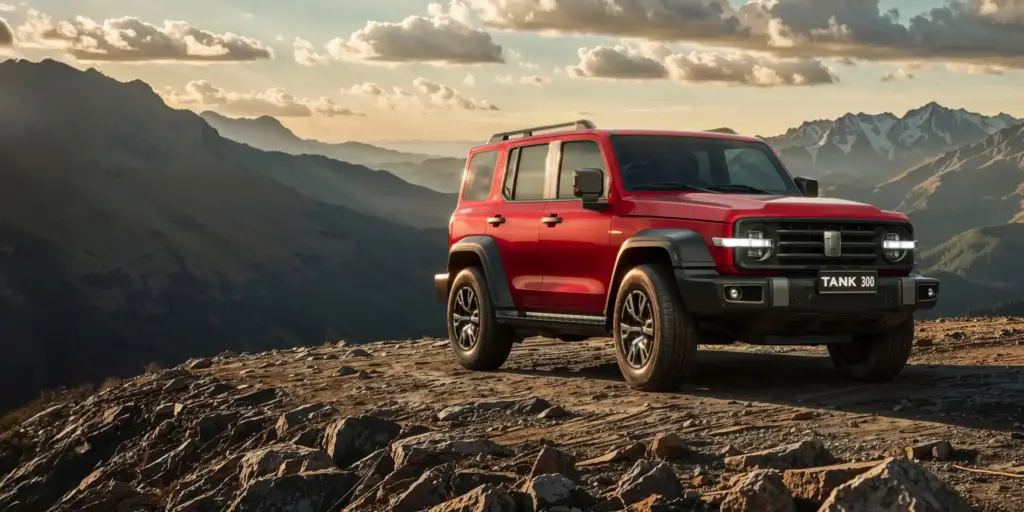
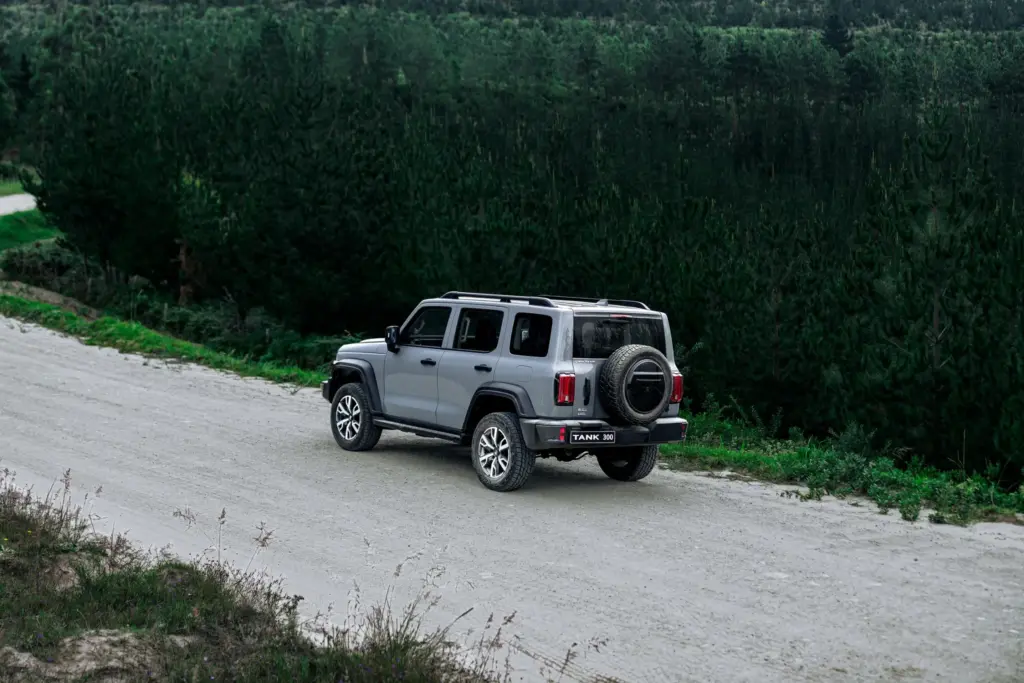
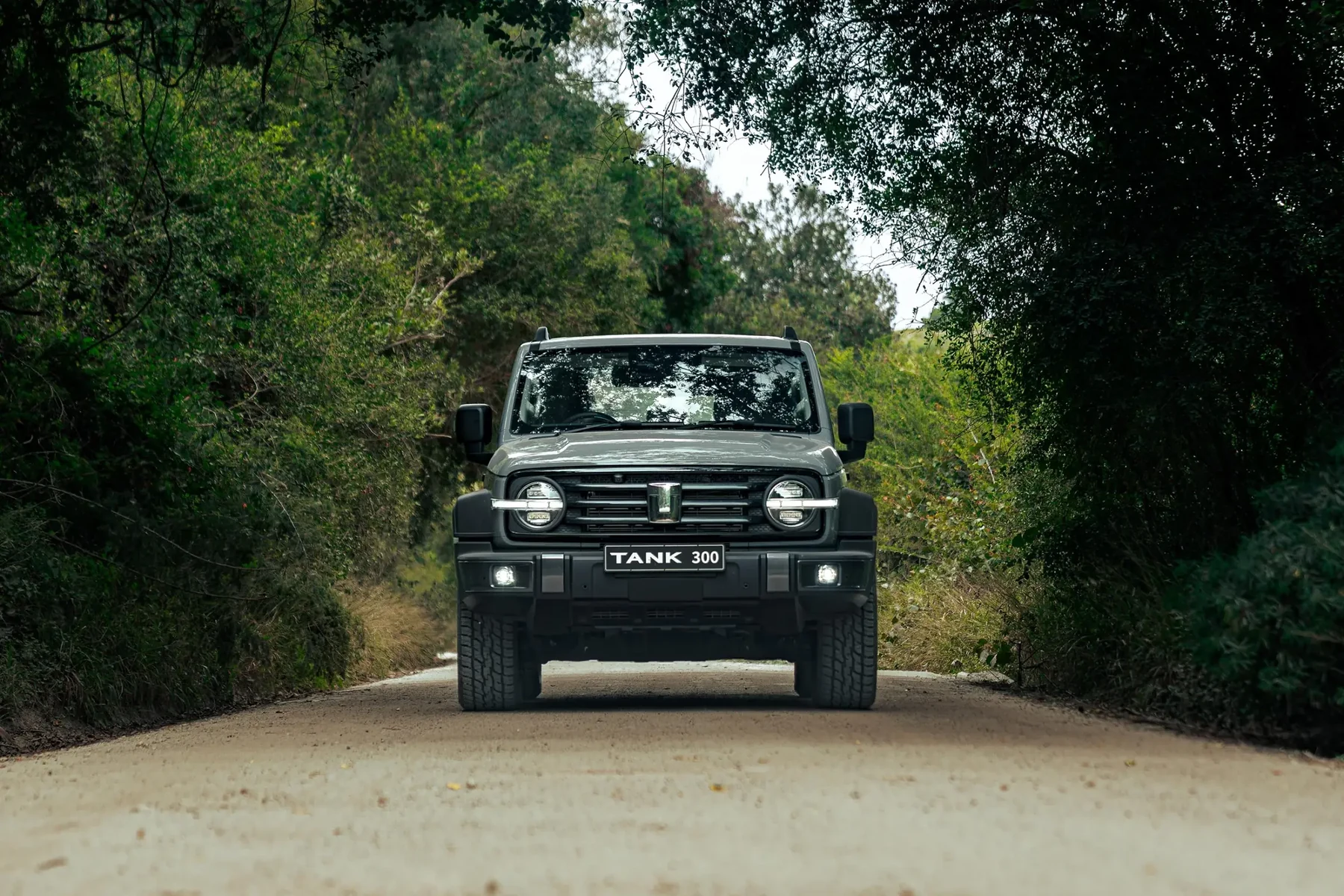
The diesel versions also tend to arrive with more suitable rubber than earlier petrol models, along with 224 mm of ground clearance, 700 mm of wading depth and a reinforced underbody guard. Taken together, the package feels more honest and more aligned to what local buyers actually wanted.
So this is more than a model update. It is GWM South Africa recognising that Tank 300 buyers wanted substance ahead of novelty. The hybrid made its point. The diesel feels like the version that belongs here.
Have your say
Got thoughts on this?
No feedback yet on The GWM Tank 300 Finally Gets the Engine South Africans…. Kick the conversation off.
Free. Email link only — no password.