
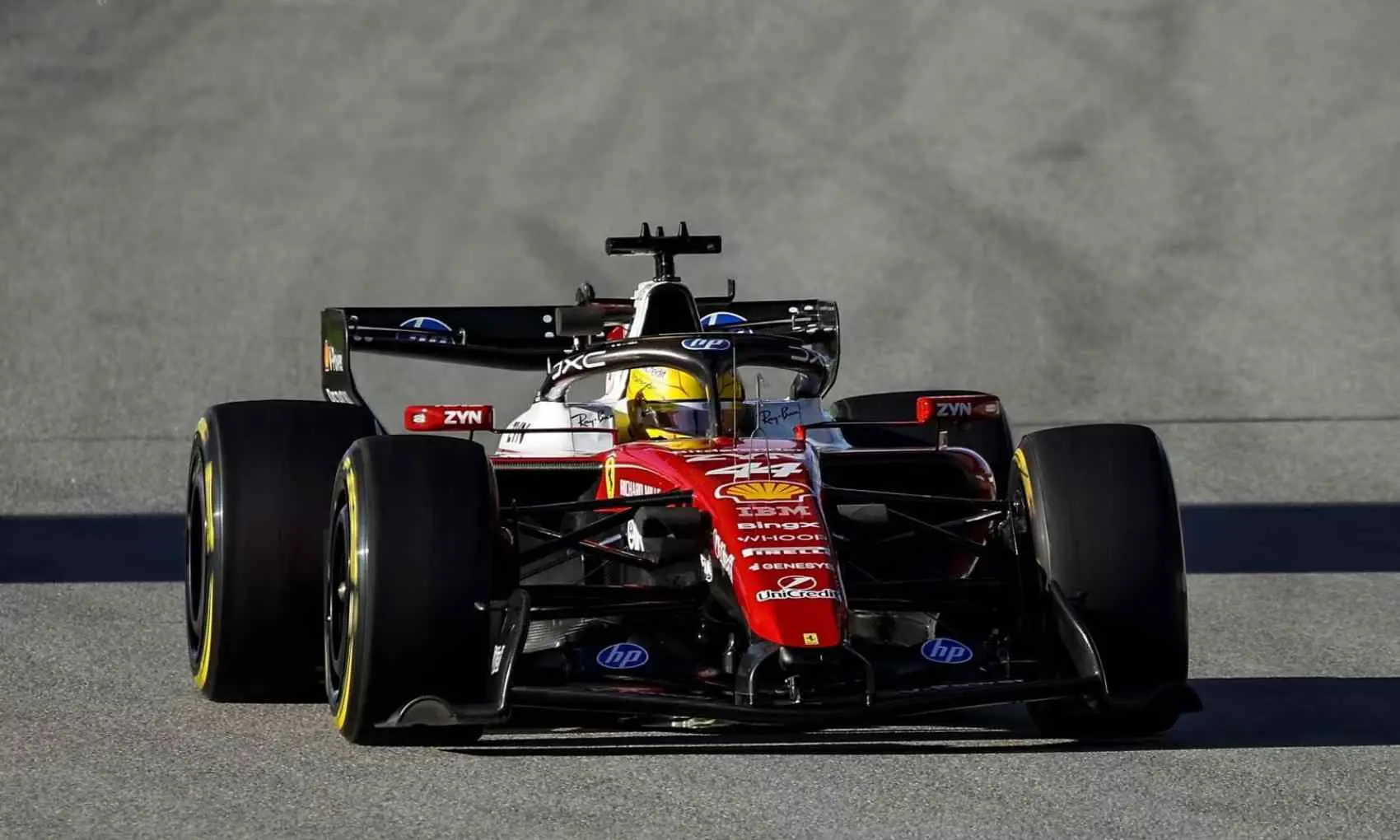
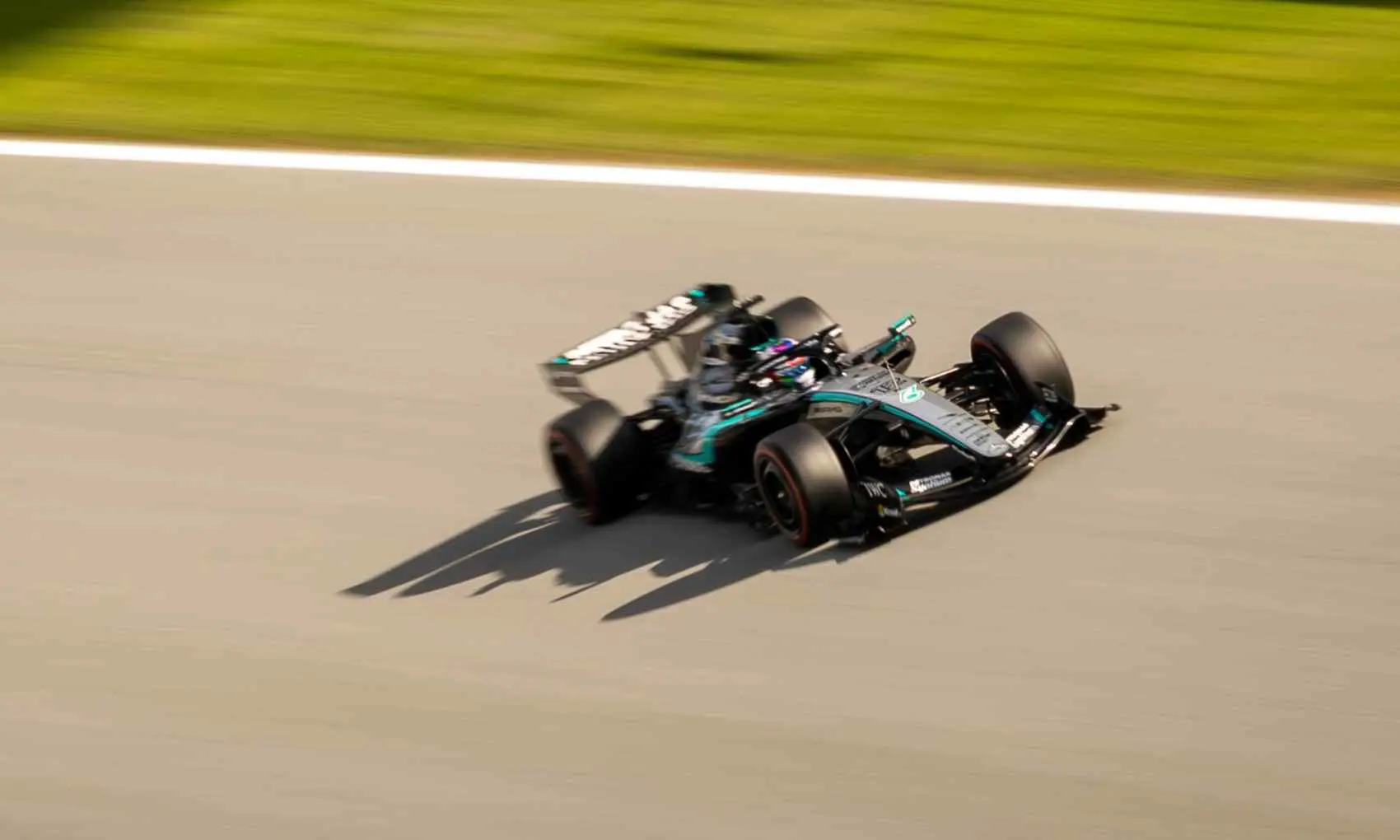
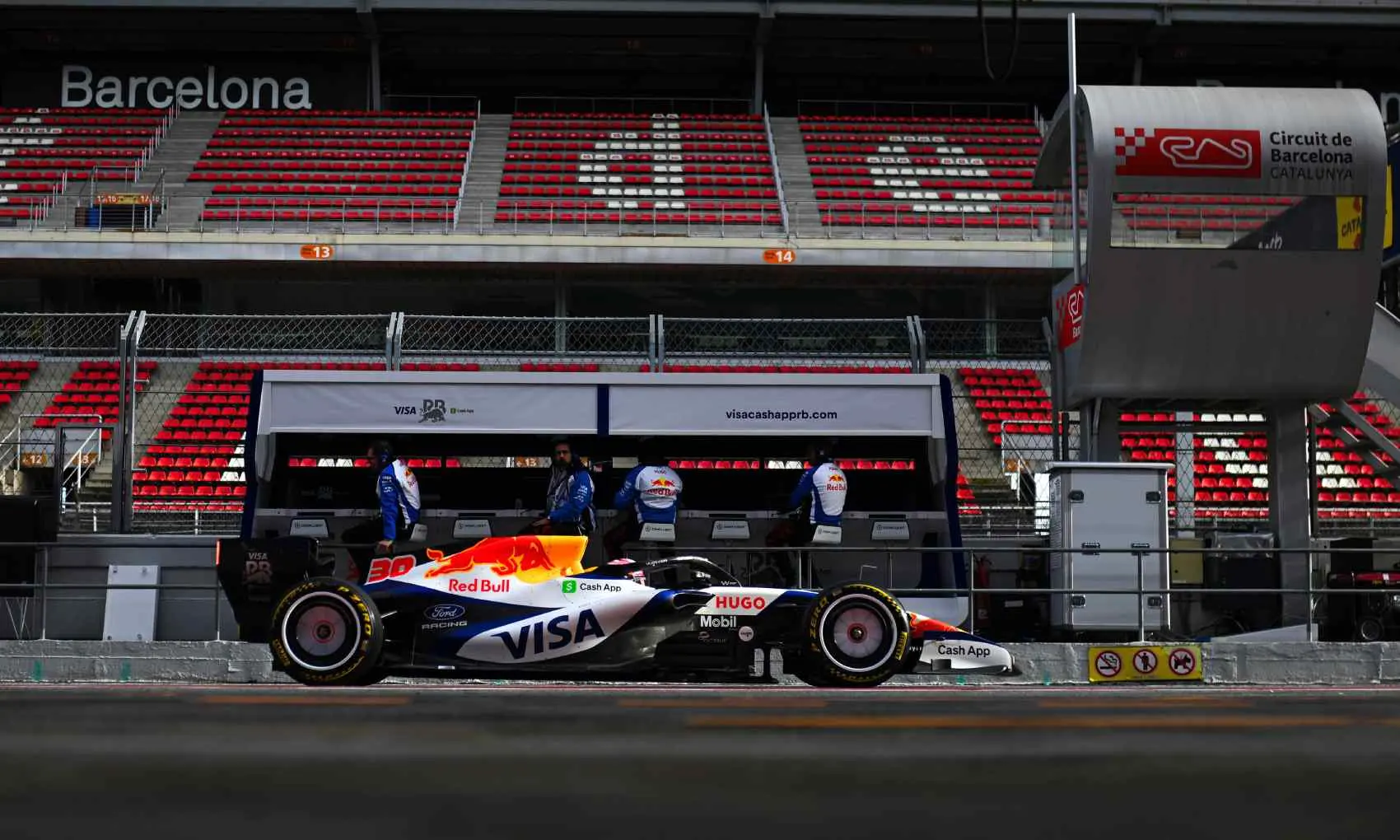
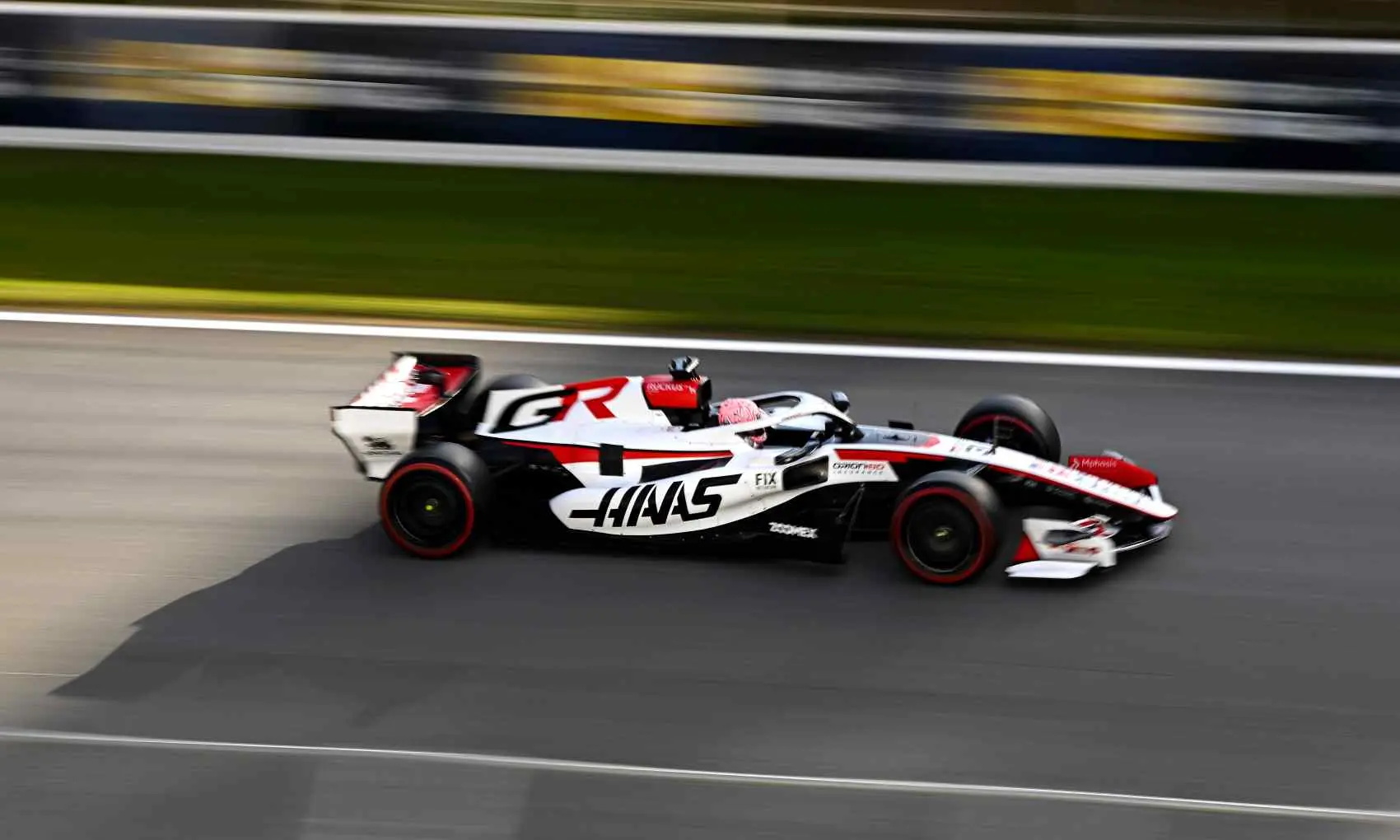
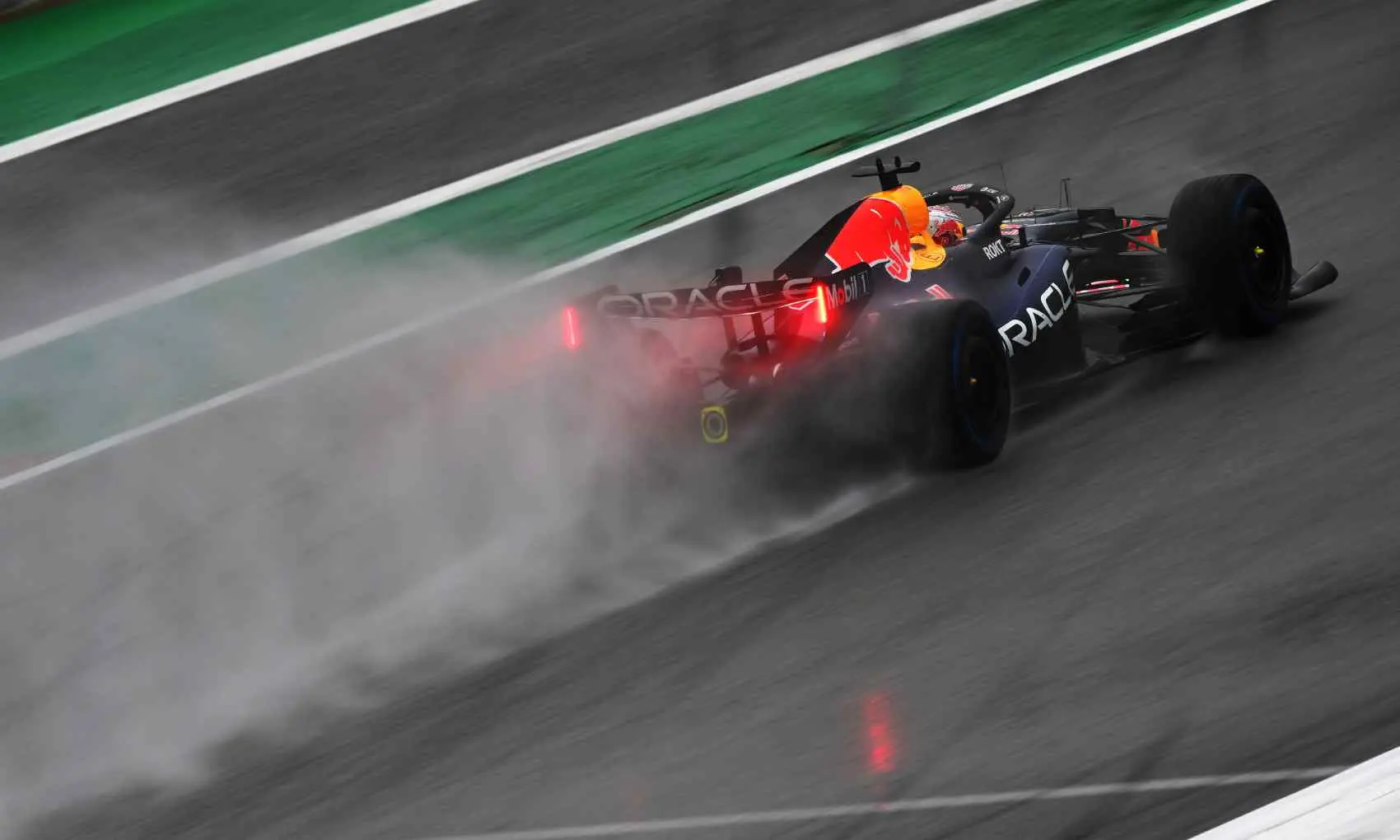


Motorsport and automotive photographer Jamey Price has strong opinions to share regarding the 2026 F1 shakedown that recently took place in Spain. You can follow Jamey on his motorsport adventures through his Instagram page and check out more of his work on his website.
A new F1 season is upon us. Excitement is in the air. New aero regulations. New(ish) power units. New drivers. It’s all new. It’s hard not to get excited as the new season dawns. But between now, and the start of practice in Australia, the cars and teams have to go through quite a bit of growing pains. And we, as fans, need to remember that shakedowns and testing times mean nothing. When your favorite driver throws down a ‘hot lap’ during shakedown or testing it means nothing to us as outside observers. And when I say nothing, I mean absolutely nothing. Why? Let me explain.
Follow Double Apex on Instagram and Facebook where we share more car content.
Buy now and take advantage of free delivery in South Africa on orders over R349.
Unlimited Testing
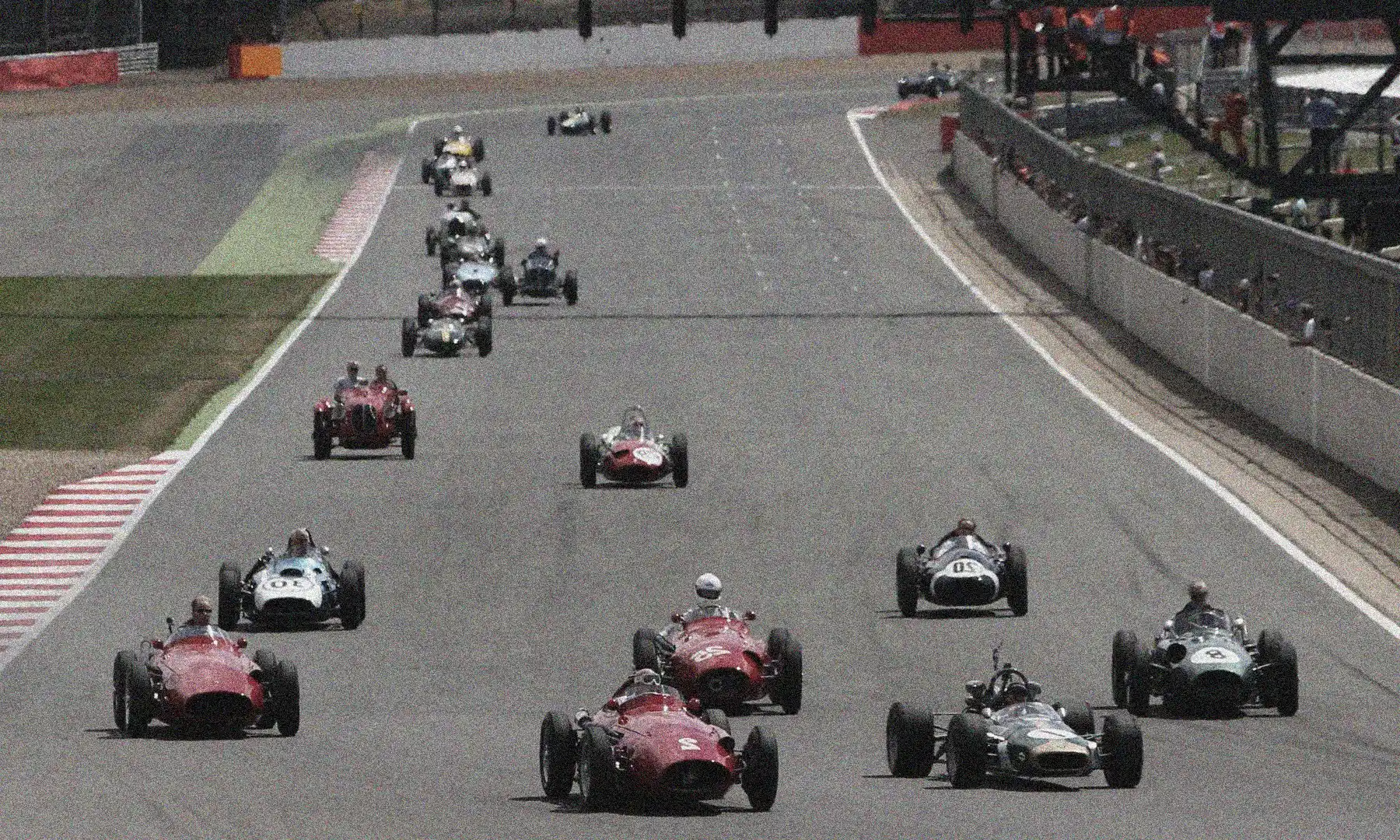
In times gone by, teams could pretty much test as much or as little as they wanted. That is why Ferrari built it’s own track (Fiorano) at its factory. Build a car, try a new design, put on track. Teams used to have two completely separate units: one for racing and another for testing. The latter would have an unlimited supply of tyres and constantly running laps at tracks all over Europe while the season was taking place. This cost loads of money. As a result it was stopped.
Click here to read about the likelihood of South Africa hosting an F1 race anytime soon.
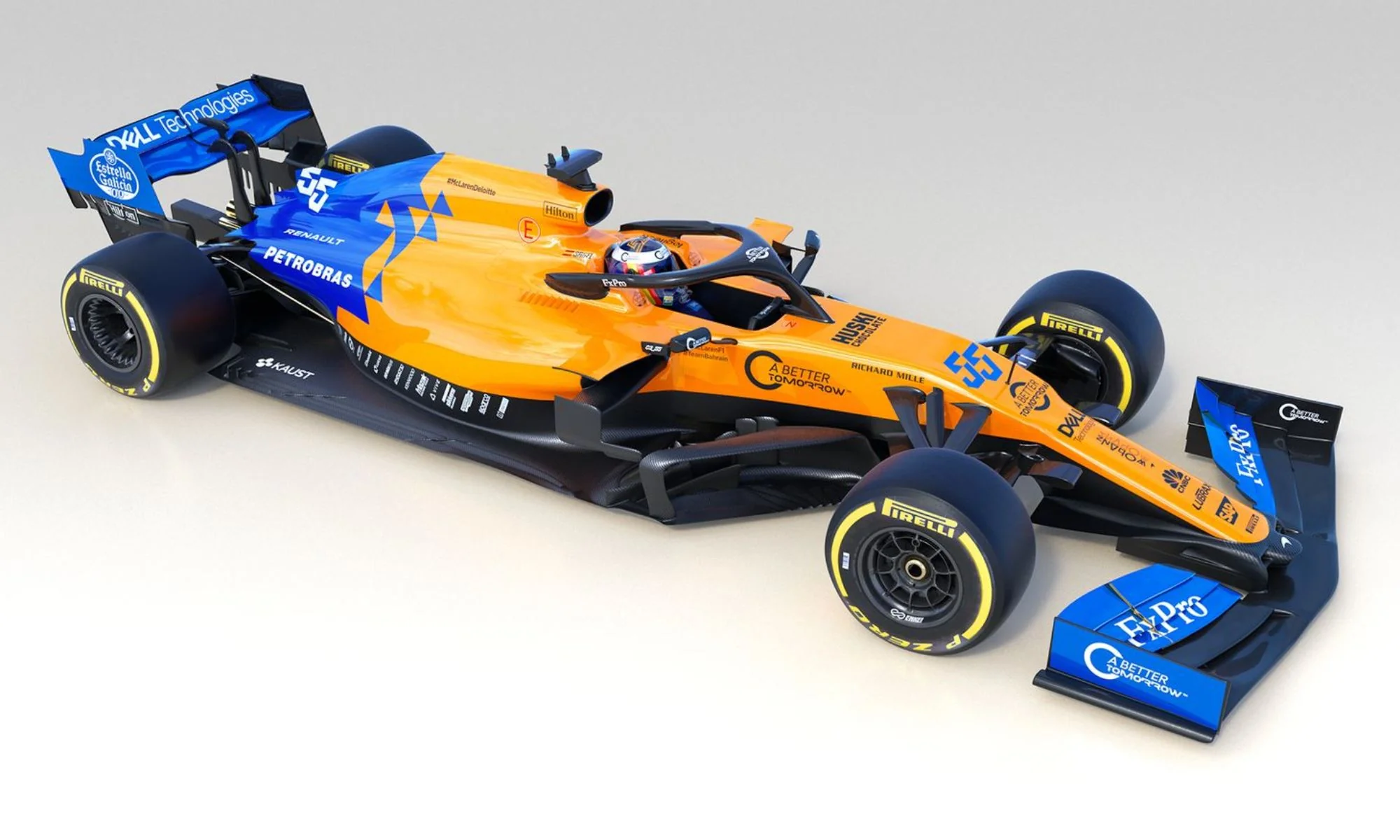
Now, with testing limited a few sessions per year by the FIA, teams digitally test their cars all winter on computers, but nothing beats putting wheels on a track. Mercedes’ simulations showed that its ‘zero pod’ design for the recent ground-effect era would yield competitive lap times. The reality was far from it. For 2026, all the teams mutually agreed to conduct a collective shakedown behind ‘closed doors’ in Barcelona. It was closed doors (meaning no outside media) for two reasons.
Click here to read about the role of AI in Formula One.
Don’t Get Excited
Reason number one and the most important reason, is that Bahrain pays Liberty Media for the exclusive right to host F1 testing. They want all the excitement to be on their playground. Not someone else’s. Reason number two, the teams were unsure of how reliable the new power units would be. Worst case scenario, the cars would be breaking down left and right all day long. These are supposed to be the most advanced racing cars on Earth, right? It’s not a good look if they cant complete a lap. So the shakedown was exactly that. Not even a test.
Click here to learn more about the 2026 F1 regulations.
It was a chance for the teams to strap some wheels on the car, see if the engine runs, and if it can roll around the track on its own steam. There is zero performance to be understood by us, as fans, from a shakedown. I had to laugh when I saw fans on social media saying Isack apparently fastest by 1,3 seconds? Holy shit” (that was an actual thread I saw, and that was just one of thousands).
I get it. Get excited the new season is around the corner, but rein the excitement in a little over a lap that we know nothing about. The 11 teams weren’t using their respective 2026 fuels, which is supposedly going to be a BIG deal for performance. Nor were they using their finalised aero kits. Engines for this shakedown were turned down massively.
A shakedown is a chance to find out if the car works, to start to learn about the car and how it reacts when you start making changes to setup. There are almost an infinite number of variables that we don’t know. As a result it is nearly impossible to compare a car to another car, or even a driver to their teammate in the same car as they likely wont be running the same program. Again, testing is a chance to learn about the car, not about the driver.
More Clarity
The upcoming tests in Bahrain will tell us more about how well each works. But even then, we wont know the real pecking order for Australia, until qualifying is done on Saturday ahead of the opening GP. So what can we tell from shakedowns and testing? I have stood trackside for countless hours of testing and shakedowns. It can be very tedious stuff to watch and photograph.
But you can tell bits and pieces about a car by watching it on track, even if I don’t know the full program a team is running. You can certainly tell something about reliability of the car. If it runs all day for multiple days, that’s a good sign of reliability. If it looks loose and twitchy on track where the driver is constantly having to ‘save’ it, or has massive oversteer moments, that can also be a bad thing. But it could also be the team trying different setups to find the window where the car naturally wants to operate.
No One Knows
So unless you work on the engineering team for one of the 11 F1 teams and know exactly what program your own car was on, and can guess based on your own baseline data, and the images your spy photographers you employ have given you (yes that is VERY much a thing), we have have no way of knowing what lap times mean what. So while excitement is a great thing for everyone to have leading up to a new season, curb your enthusiasm with a healthy reminder that testing isn’t practice. Testing isn’t qualifying. Testing isn’t a race. It’s just testing.
![Retro F1 Monaco GP Footage [video]](https://doubleapex.co.za/wp-content/uploads/Retro-Monaco-F1-GP-no-barriers.webp)

Have your say
Got thoughts on this?
No feedback yet on What Have We Learned from the 2026 F1 Shakedown. Kick the conversation off.
Free. Email link only — no password.