
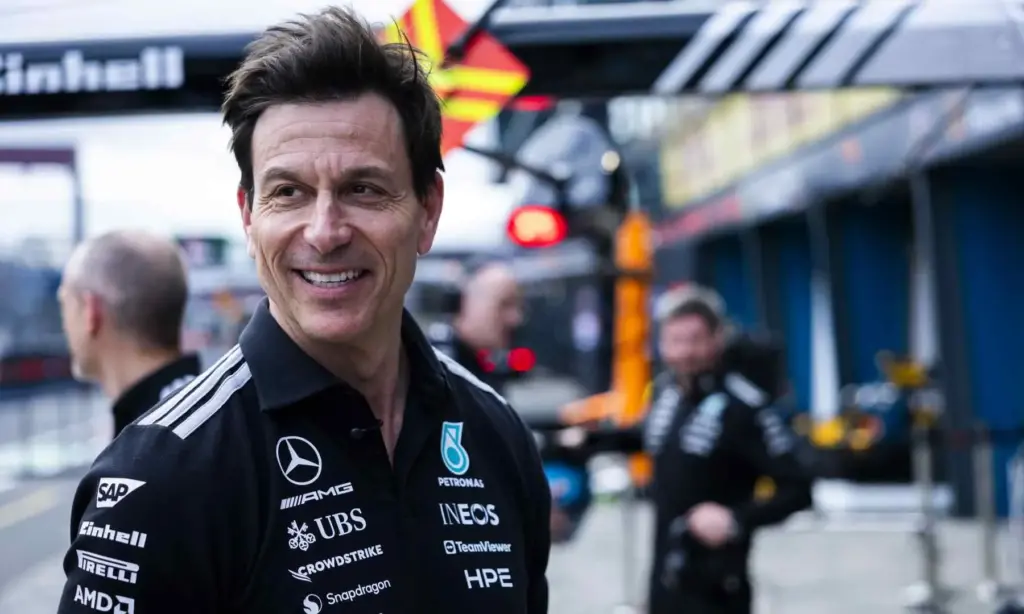


The transition into the 2026 Formula 1 season has been anything but smooth, marked by a technical overhaul that has split opinion straight down the middle of the paddock to create metaphorical potholes in every race since March. At the heart of the storm is Mercedes team principal Toto Wolff, who has recently (and to the surprise of some) emerged as the primary defender of the new regulations.
Follow Double Apex on Instagram and Facebook where we share more car content.
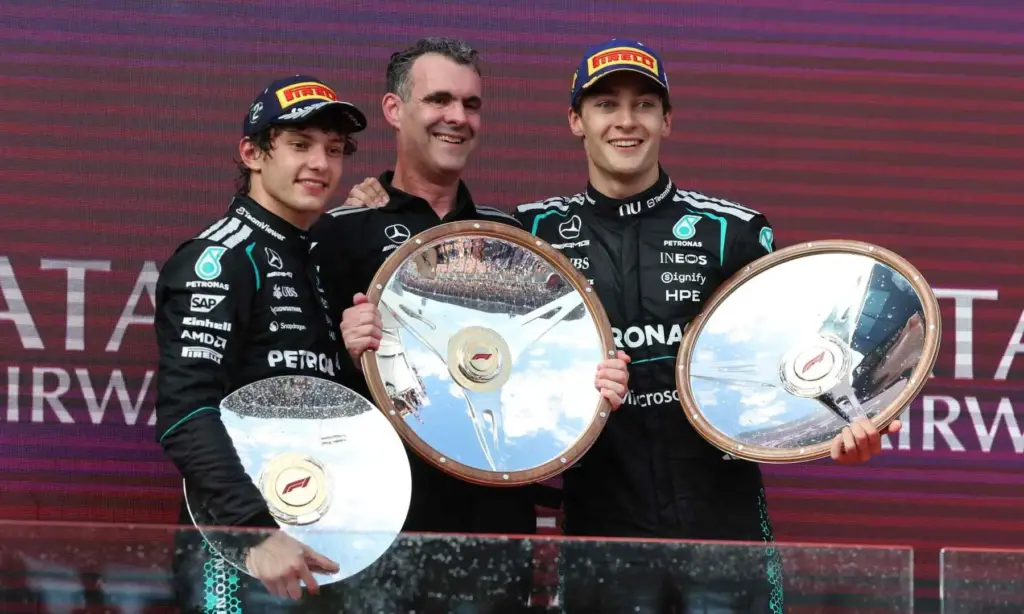
Amidst a wave of public discontent from reigning champions and veterans, Wolff has urged a more measured response – suggesting that any adjustments to the current rules should be handled with a scalpel rather than a baseball bat. Unsurprisingly, considering that his team’s drivers have won all three opening rounds of the 2026 F1 season.
A Great Reset
The era has been dubbed the great F1 reset because, well, barely a stone has been left unturned. The crux of the frustration lies in the radical shift toward a near 50-50 power split between internal combustion and electric energy. This change has fundamentally altered how drivers approach a lap, forcing them into a cycle of lift-and-coast maneuvers that many feel detracts from the raw, aggressive nature of the sport.
Preserving the Fan Experience
For the drivers, the feeling of managing a battery rather than a racing machine is a bitter pill to swallow. Yet, Wolff’s counterargument is one of stewardship; he maintains that those within the sport have a responsibility to be guardians of the brand, cautioning against public critiques that might inadvertently sour the fan experience.
Unpredictability
This friction creates a fascinating environment for the spectator. When the technical landscape is this volatile, the traditional hierarchy of the grid often dissolves – leaving room for sudden, unexpected shifts in performance. For those who follow the sport closely and engage with the data to bet online at play.co.za, these regulatory growing pains offer a unique level of unpredictability.

The way a team manages its energy deployment can now be as decisive as a well-timed pit stop, and identifying who has mastered the new power unit software has become the primary challenge for anyone trying to forecast a race result.
Safety First
Safety has also climbed to the top of the agenda following recent incidents that highlighted the extreme speed differentials created by the new energy harvesting systems. While there is a consensus that refinements are necessary to prevent dangerous closing speeds, the debate remains over how deep those changes should go. Wolff’s fear is that an erratic reaction could lead the sport into another era of unintended consequences – an echo of past rule changes that were rushed through in the heat of a controversy.
A Measured Approach
As the circus prepares for the upcoming rounds, the pressure on the FIA to find a middle ground is immense. The goal is to preserve the high-speed spectacle that defines Formula 1 while addressing the very real concerns of the men behind the wheel. For the FIA, this is about using a scalpel and not a baseball bat. But whether the sport has indeed gone too far with its technical ambition remains a question only time – and perhaps a few surgical tweaks – will answer.
One thing is certain: the era of the driver simply being the fastest person on track has evolved into a complex game of energy management. Balancing that technical complexity with the soul of racing is the high-stakes tightrope that Formula 1 is currently walking.

Have your say
Got thoughts on this?
No feedback yet on Not Everyone Hates the 2026 F1 Rule Changes. Kick the conversation off.
Free. Email link only — no password.