
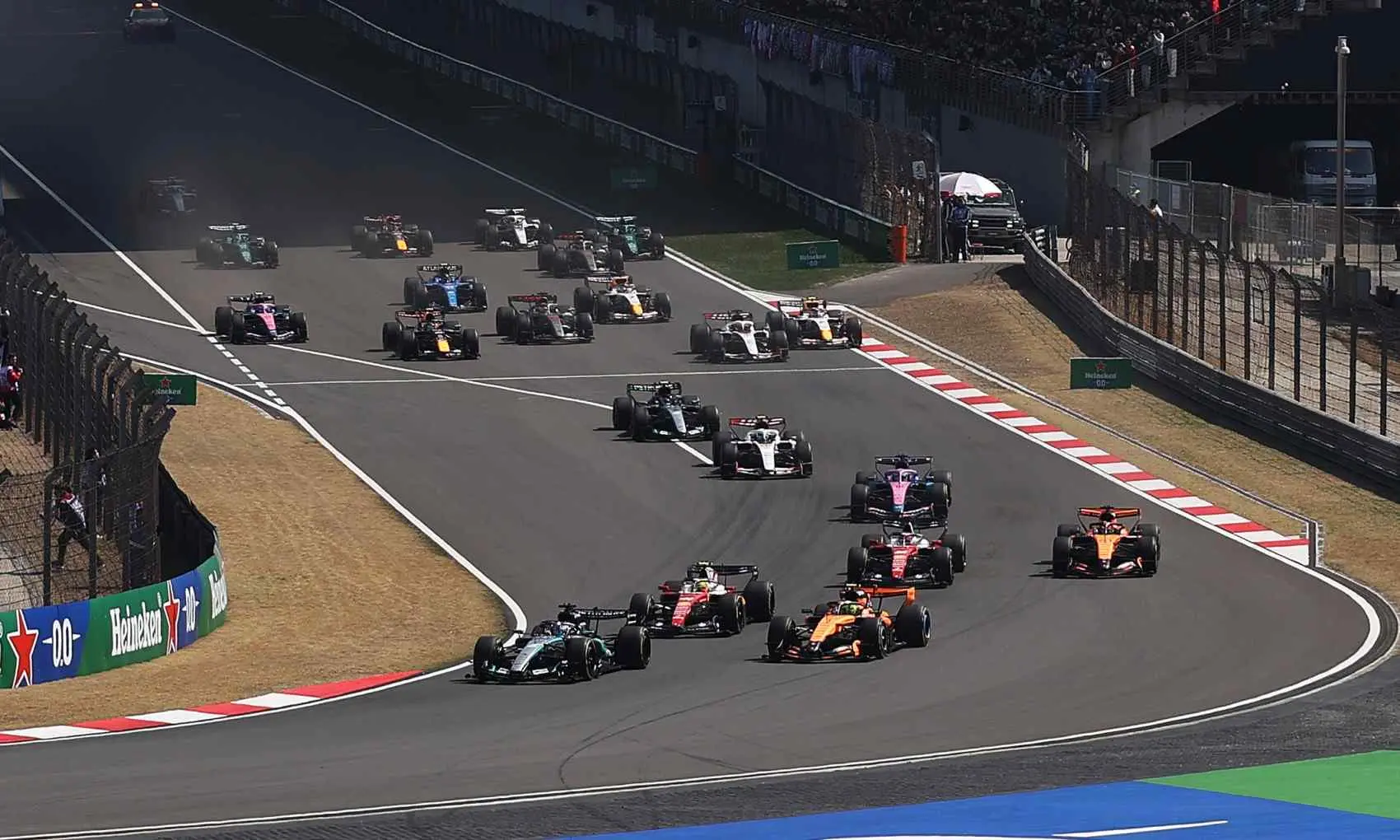
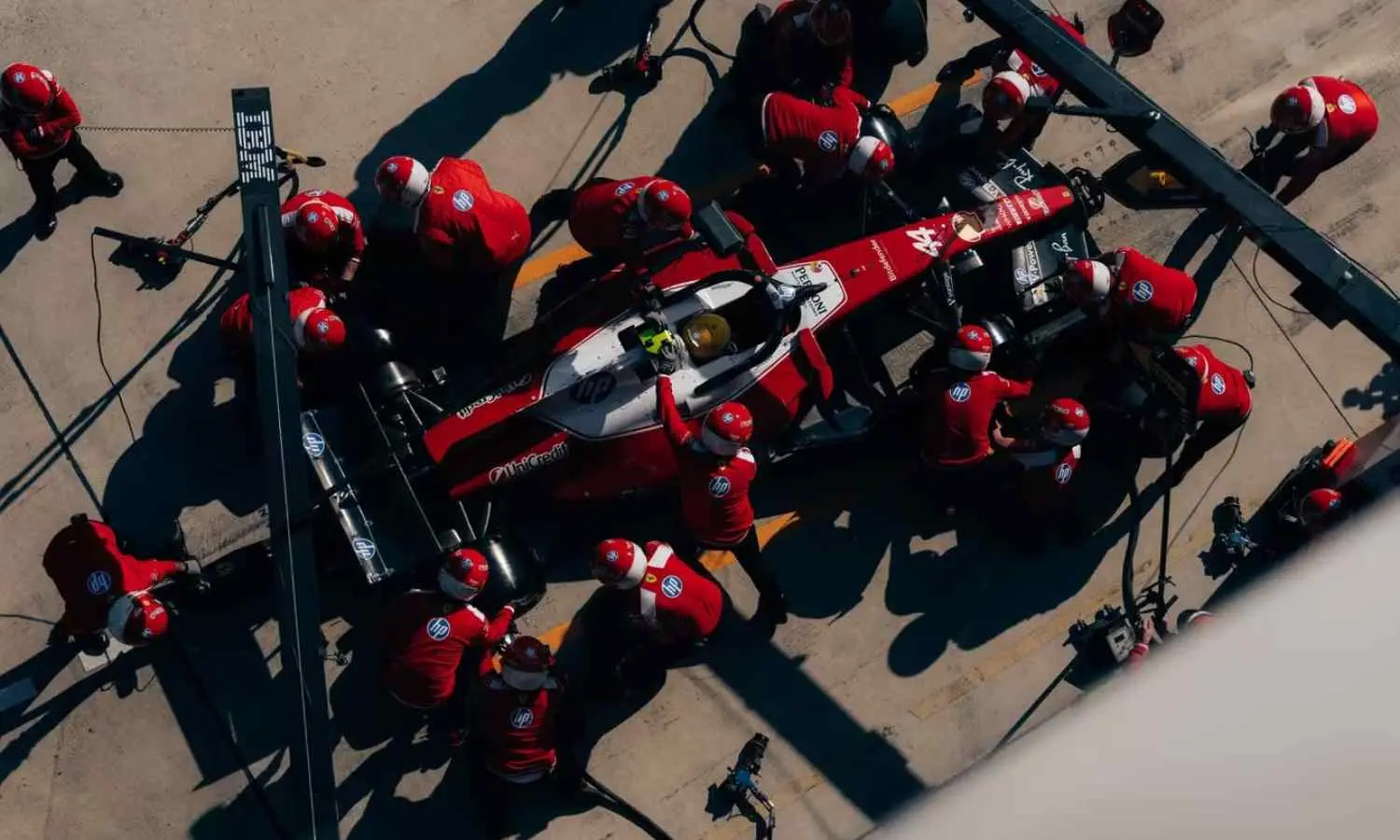
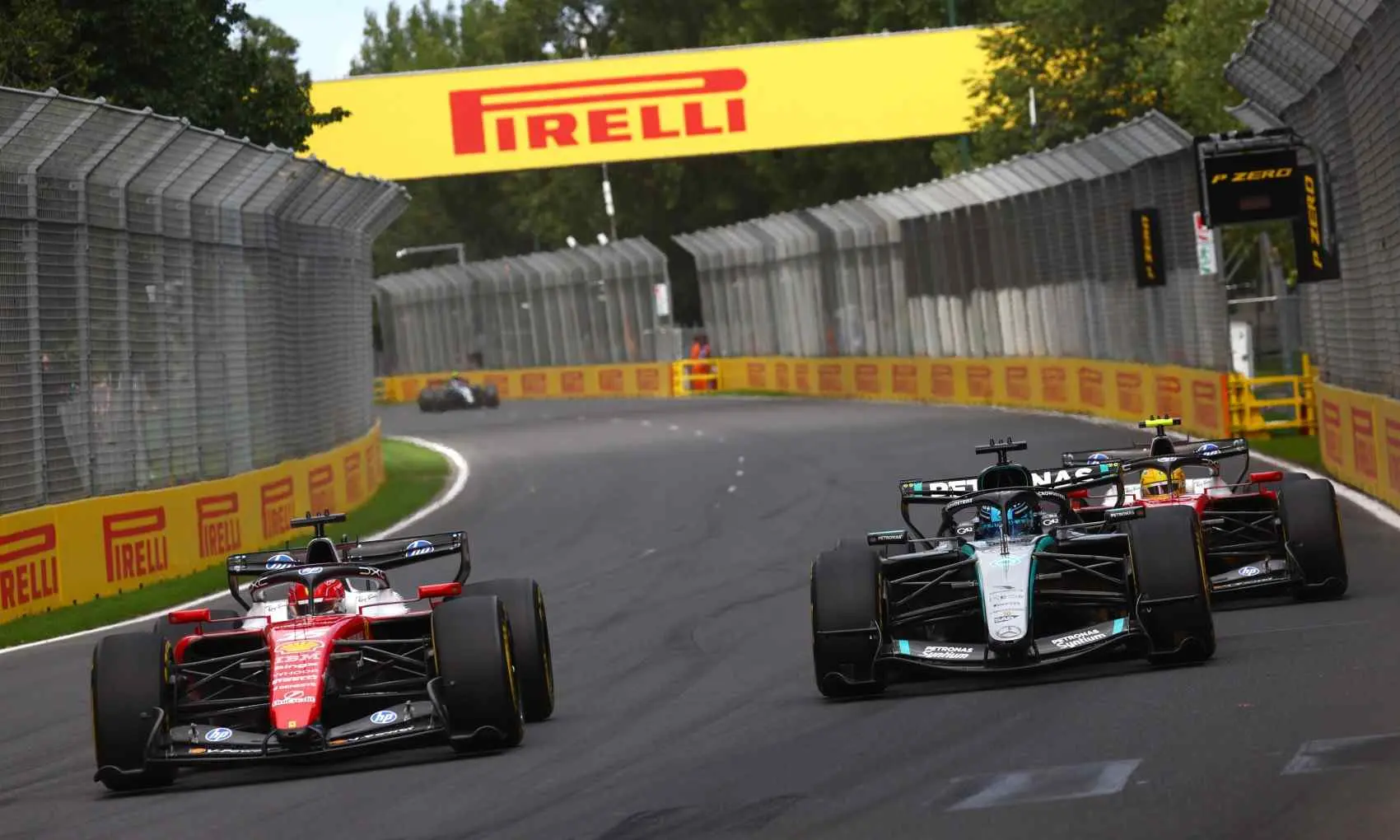


The 2026 Formula One season is already in for surprises. And this season is not because of performance, not because of weather swings or technical changes, but because the calendar prepared some surprises. A few races have been dropped out, and that’s enough to change how the season feels before you even get into who’s fast and who isn’t. When the schedule moves, everything around it moves, too.
Follow Double Apex on Instagram and Facebook where we share more car content.
Fewer Races, Less Room to Recover
In a long season, mistakes usually balance out. A bad weekend, a reliability issue, a strategy call that doesn’t land. Over 20-plus races, there’s time to recover from that. Points lost early don’t always define the championship. But when races disappear, that margin gets tighter. Every result carries more weight. A retirement hurts more. A strong weekend counts more. There’s less space to quietly make up ground later on. For drivers chasing the title, that changes how risks are taken. Not dramatically, but enough. You start to see slightly safer calls, slightly more focus on consistency rather than big swings.
Click here to access more content in our dedicated F1 section.
Momentum Becomes More Fragile
Formula 1 seasons often come in waves. A team finds something in the setup, a driver clicks with the car, and suddenly there’s a run of strong results. Normally, that momentum can stretch across several races in a short period. With gaps in the calendar, that flow breaks. A team that looks sharp one weekend might not get the chance to carry that feeling straight into the next race. Instead, there’s a pause. Conditions reset. Other teams have time to adjust. Momentum doesn’t disappear, but it becomes harder to hold onto.

Development Cycles Feel Different
Teams build their seasons around upgrades. New parts arrive at certain races, performance steps forward, and the car evolves across the calendar. When races are removed, those timelines don’t always shift neatly with them. An upgrade that was meant to influence three consecutive races might now land before a gap. That changes how its impact is felt. Data comes in slower. Comparisons become less clear. For teams trying to close a performance gap, that delay matters more than it looks.
Drivers Approach Weekends Differently
With fewer chances to score points, the way drivers manage a race weekend adjusts slightly. Qualifying becomes more valuable. Starting position carries more weight when there are fewer races to offset a poor Saturday. Race management changes too. You might see more controlled drives from those in strong positions, especially in the early and middle parts of the season. Not cautious in an obvious way, but less willing to throw away points. At the same time, drivers who fall behind may have to take bigger risks earlier than usual, simply because there are fewer races left to fix things later.
The Championship Tightens in Subtle Ways
What looks like a small change to the calendar can reshape the standings without drawing much attention. Point gaps that would normally feel manageable start to look more significant. A ten-point swing carries more weight when there are fewer races left to respond. It doesn’t always lead to a closer title fight. In some cases, it can do the opposite. A strong start becomes harder to chase down.
A Season That Feels Shorter Than It Is
On paper, the season might still look long. But with interruptions and missing rounds, it doesn’t play out that way. It feels more compressed, more direct. Each race stands out more because there are fewer of them. And that changes how the whole year is experienced. Not just for the teams and drivers, but for anyone following it closely. The margins tighten, the timing shifts, and the season moves forward in a slightly different shape than expected.

Have your say
Got thoughts on this?
No feedback yet on The 2026 Formula 1 Season Already Feels Uneven. Kick the conversation off.
Free. Email link only — no password.